

Pheidole yeensis – Asian Pheidole
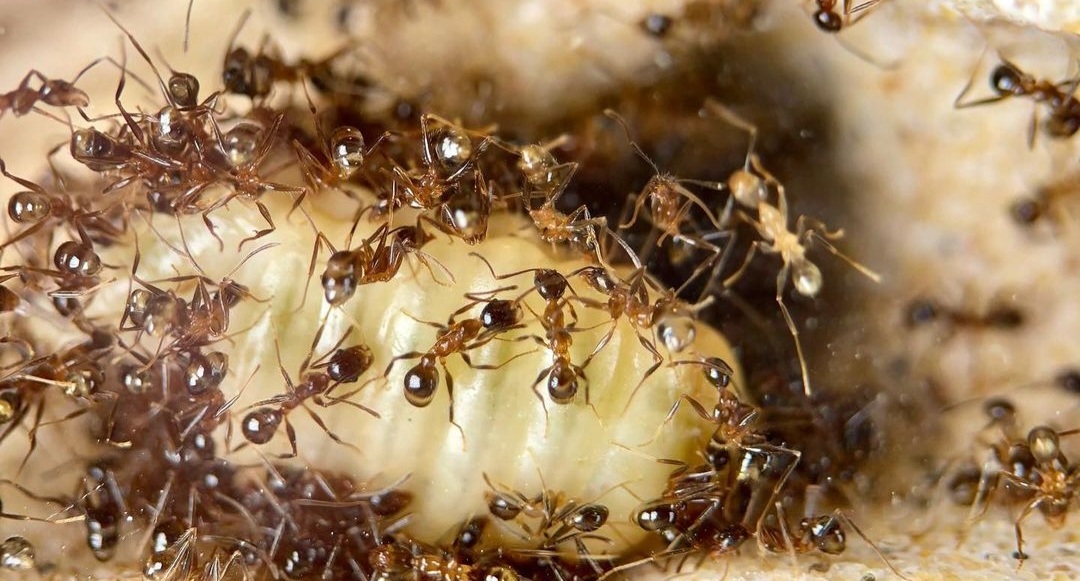
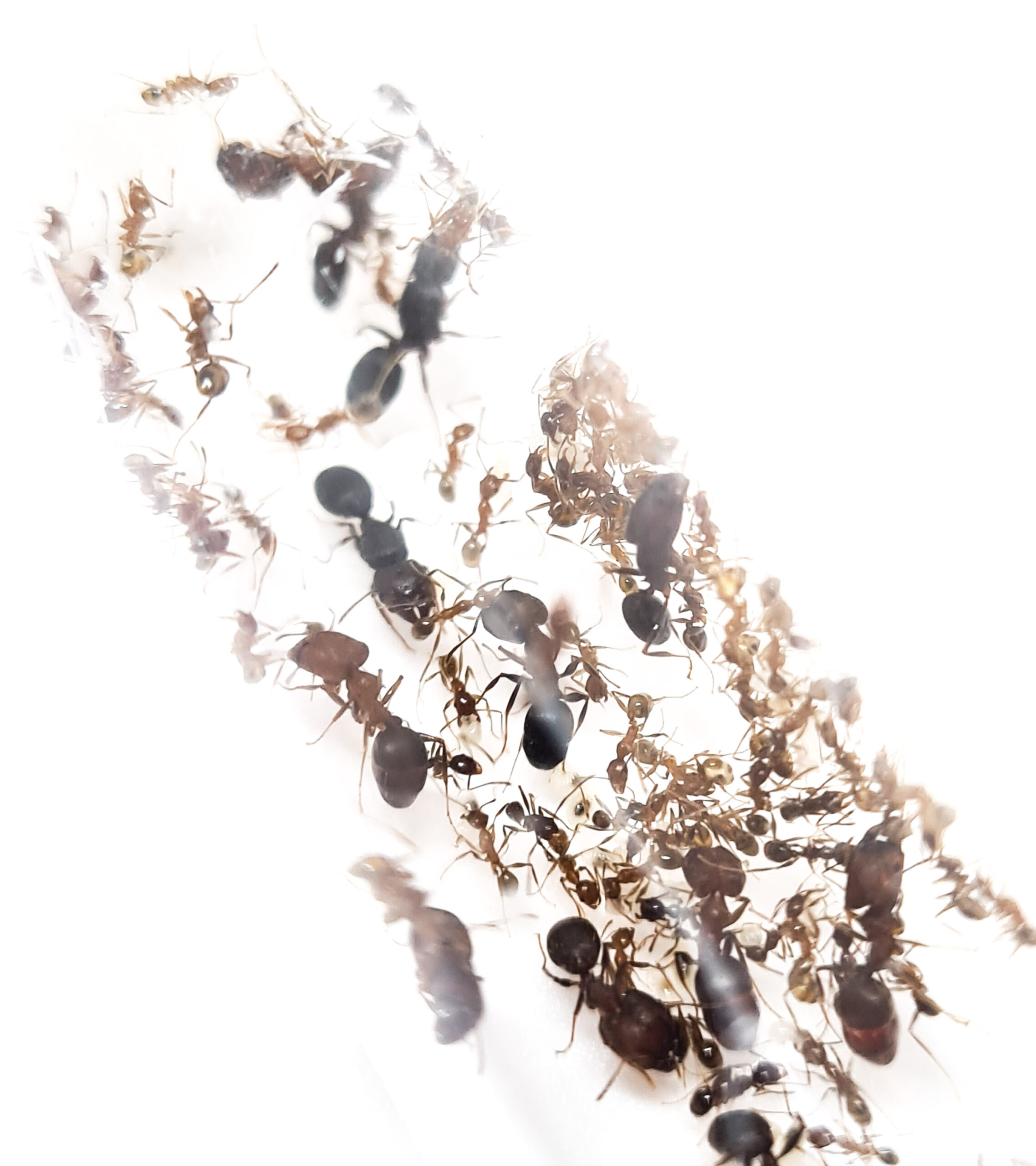
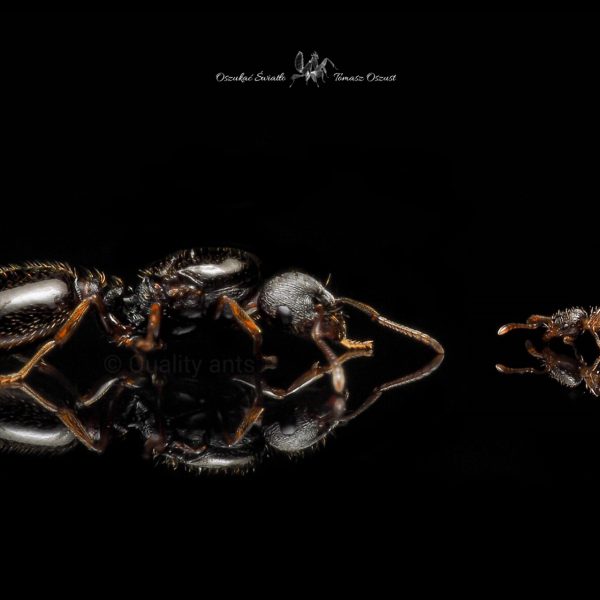
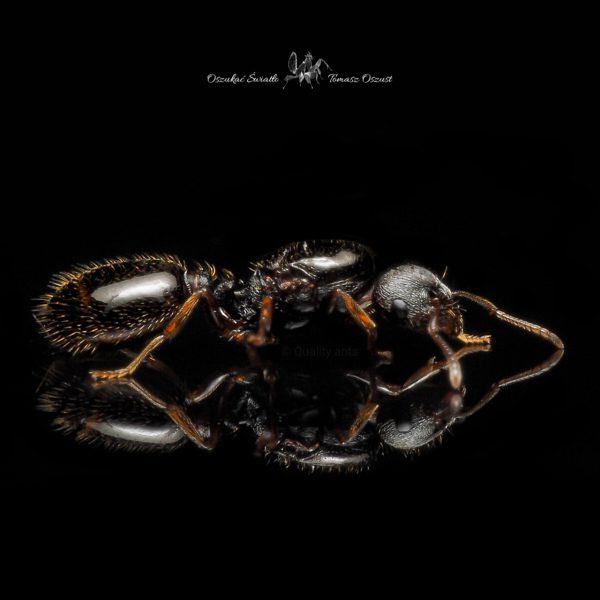
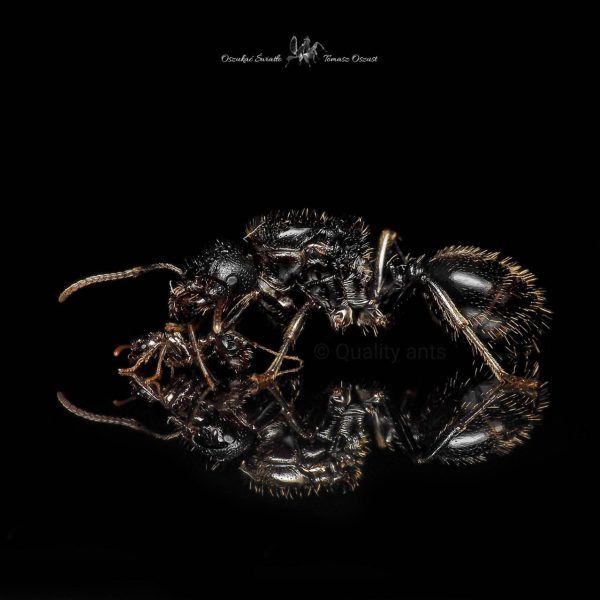
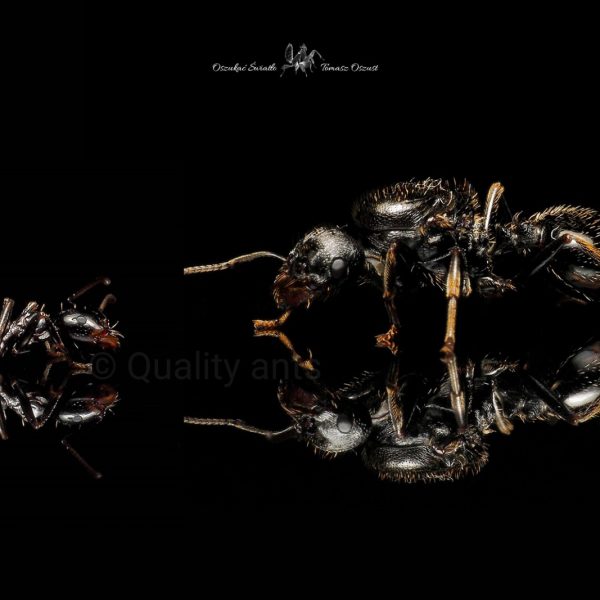
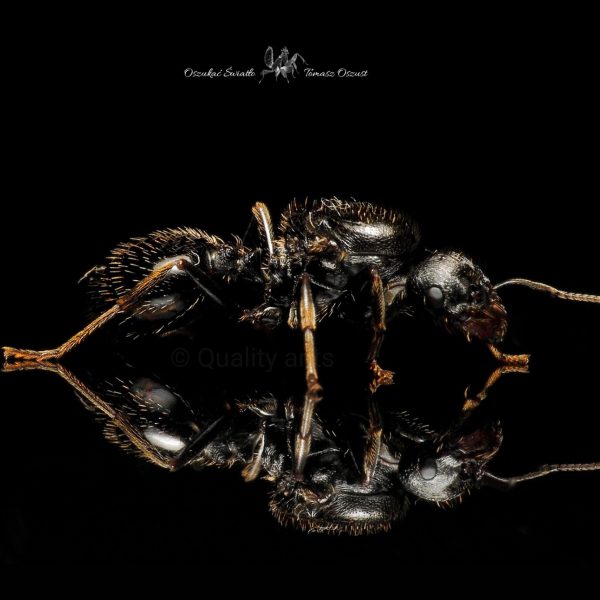
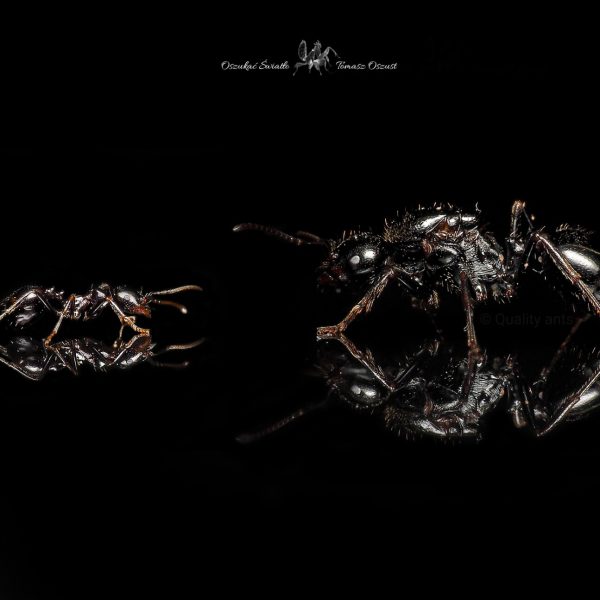
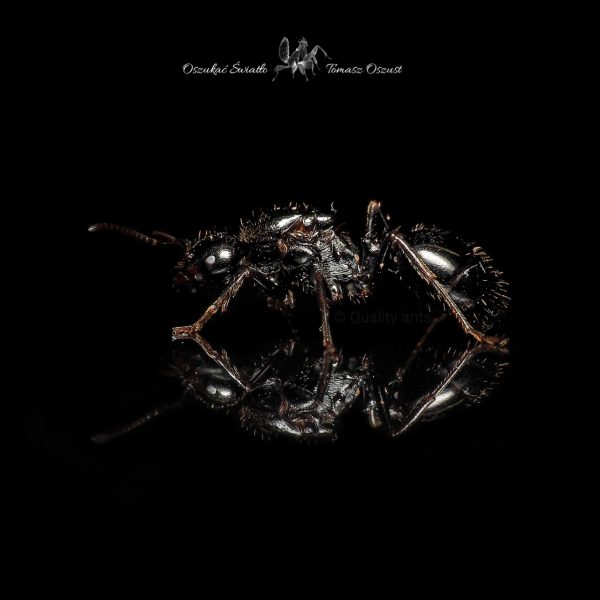
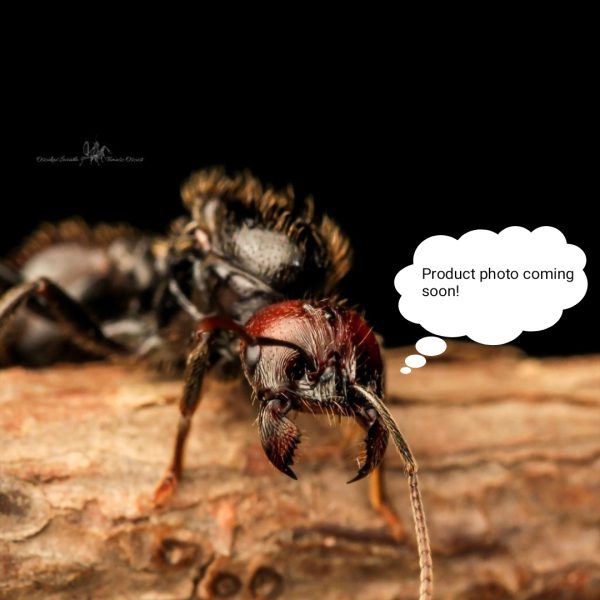
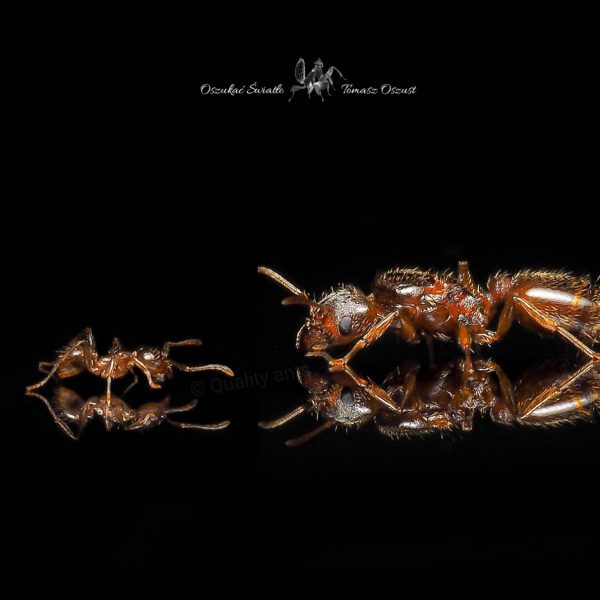
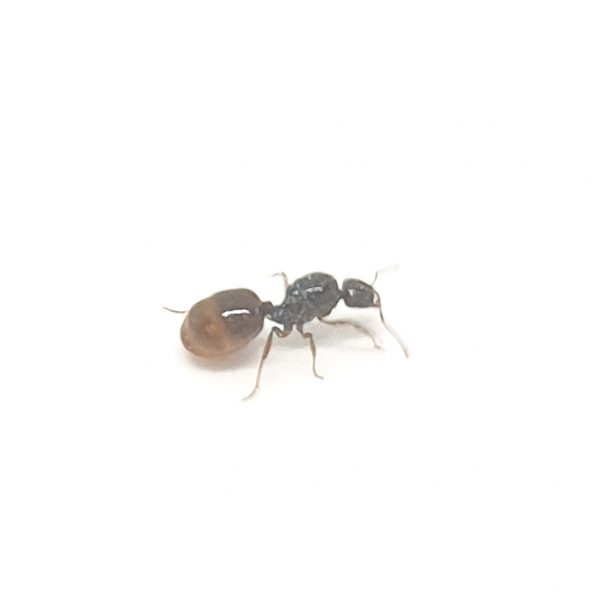
Pheidole yeensis is a small and active Pheidole species from East Asia. As is characteristic of the genus Pheidole, the worker caste consists of small minors and distinctly larger majors. The majors, in particular, stand out due to their greatly enlarged heads and powerful jaws. This difference in size makes a growing colony particularly interesting to observe.
Workers respond actively to food and can recruit other colony members to a food source. The small minors perform the majority of the daily work, such as caring for the brood, exploring the arena, and gathering food. The majors can assist in processing larger or harder food pieces and also play a role in the defense of the colony.
Under warm and stable conditions, an established colony can develop well. As the colony grows, more and more majors appear and activity in the arena increases. This makes Pheidole yeensis particularly interesting for enthusiasts who wish to observe the difference between minors and majors and the typical Pheidole behavior up close.
Specifications
Scientific name: Pheidole yeensis
Dutch name: Asian Pheidole
Distribution area: East Asia, particularly China
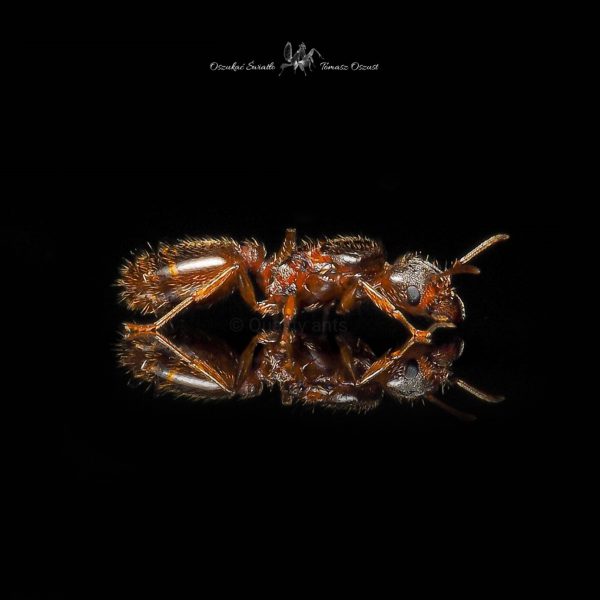
Ant color: Yellowish-brown to brown, with color varying between individuals and colonies
Difficulty level: 3 / 5
Queen size: approximately 6 – 8 mm
Worker (minor) size: approximately 2 – 3 mm
Soldier / major size: approximately 3 – 5 mm, with a greatly enlarged head
Temperature: approximately 22 – 28°C
Optimal temperature: approximately 24 – 27°C
Winter dormancy: A pronounced cold winter dormancy like that of Northern European species is not necessary; in temperate origins, activity may decrease during the cooler months
Growth rate: Average to rapid under good conditions
Maximum queen lifespan: several years under good conditions
Maximum worker lifespan: usually a few months to about a year
Reaching a worker population: several thousand workers possible in a well-developed colony
Subfamily: Myrmicinae
Organization: Claustral; The queen can raise the first generation of workers from her own reserves.
Colony formation: Usually monogynous, with one queen per colony.
Power supply
Pheidole yeensis is an omnivorous ant species. For proper development, the colony requires both carbohydrate-rich food for the energy supply of the workers and protein-rich food for the brood.
Diet: small insects such as fruit flies, small redrunners, small crickets, buffalo worms, and pieces of mealworm or dubia.
Sugars: for example Byformica Sunburst Ant Nectar, sugar water, honey water and other suitable nectar food.
Especially when many larvae are present, it is important to offer insects regularly. As the colony grows, the amount of food offered can be gradually increased.
Fresh drinking water must always be available.
Care
Pheidole yeensis can be kept in a slightly damp nest with a distinct humidity gradient. This allows the colony to choose for itself which chambers are suitable for breeding and which parts are kept drier.
Due to the very small size of the minor workers, good escape protection is essential. Carefully check the formicarium for small gaps and ensure that ventilation openings, hose connections, and connections are sealed sufficiently.
From how many workers to a nest: approximately 30 – 50 workers
Recommended nest type: finely finished 3D nest, small Ytong nest, plaster nest or well-sealed acrylic nest
A young colony is best kept relatively compact. A nest that is too large makes it more difficult for a small colony to make good use of the available space. As the number of workers increases, the colony can gradually be expanded to a larger formicarium.
✅ Why choose Pheidole yeensis
• Interesting Asian Pheidole species
• Clear difference between small minors and large majors
• Majors with strikingly large heads
• Active response to food
• Interesting foraging and recruitment behavior
• Good colony growth under warm conditions
• Much behavior can be observed in a relatively small formicarium
• Interesting for Pheidole species enthusiasts


Reviews
There are no reviews yet.