



Information type
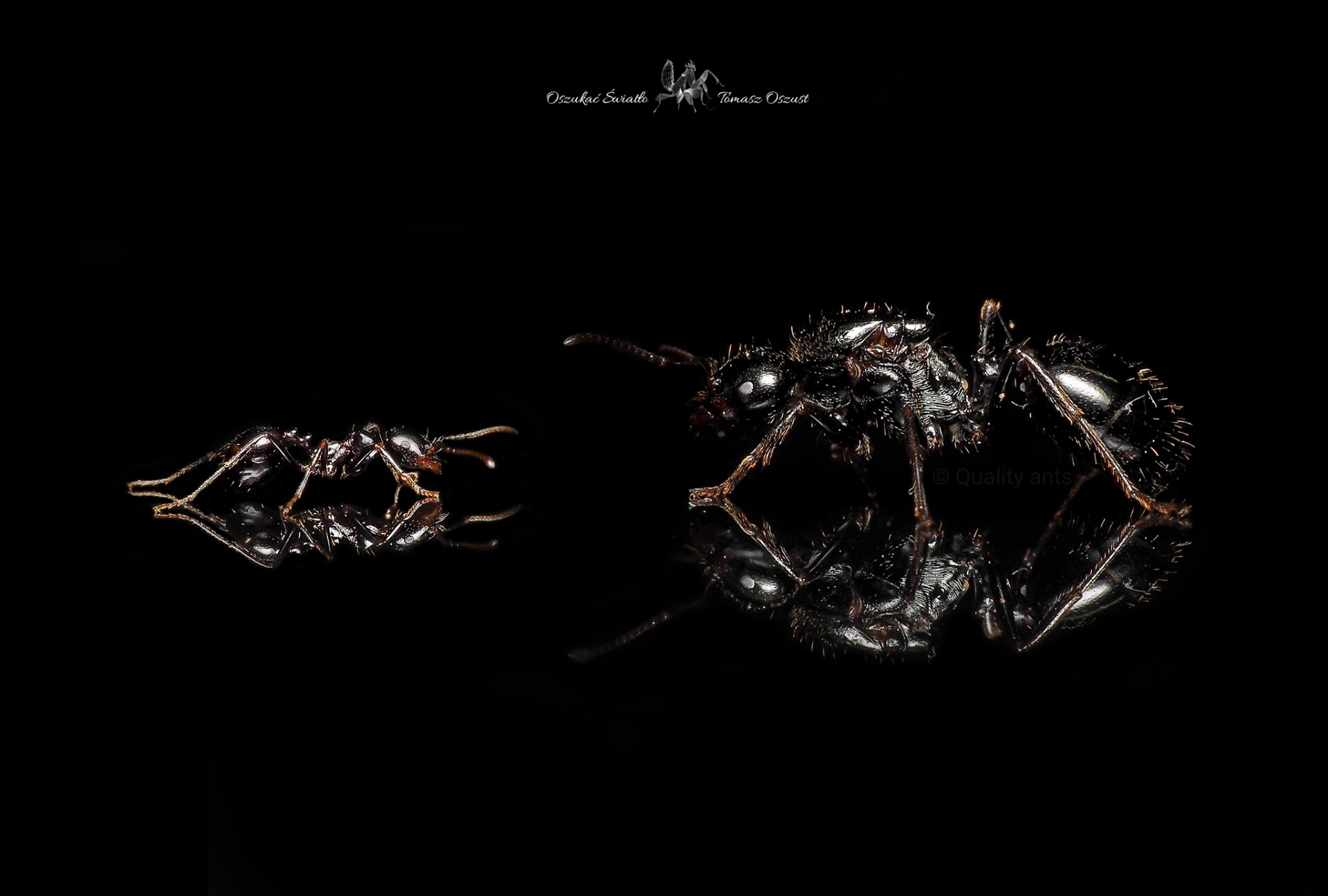
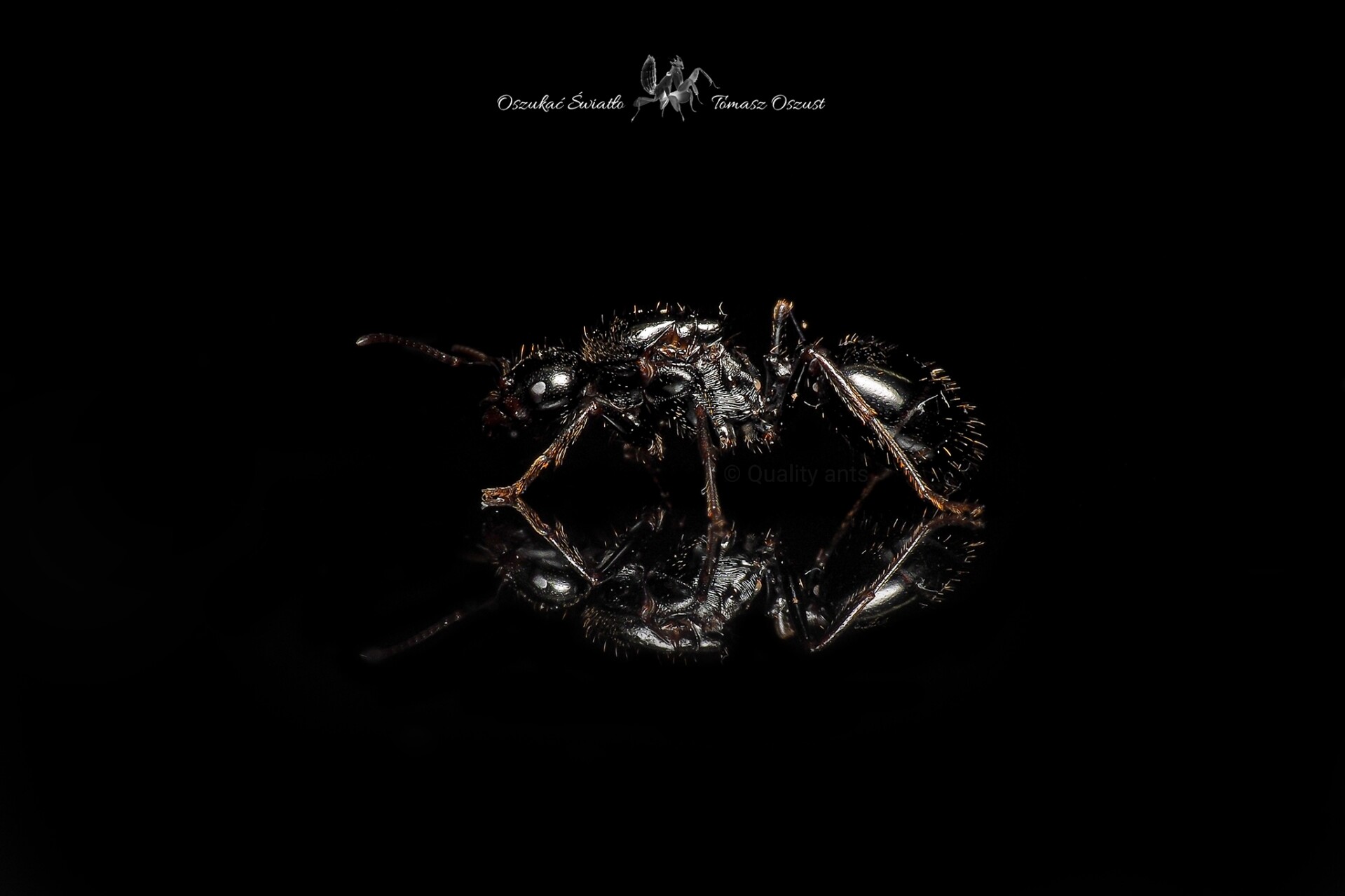
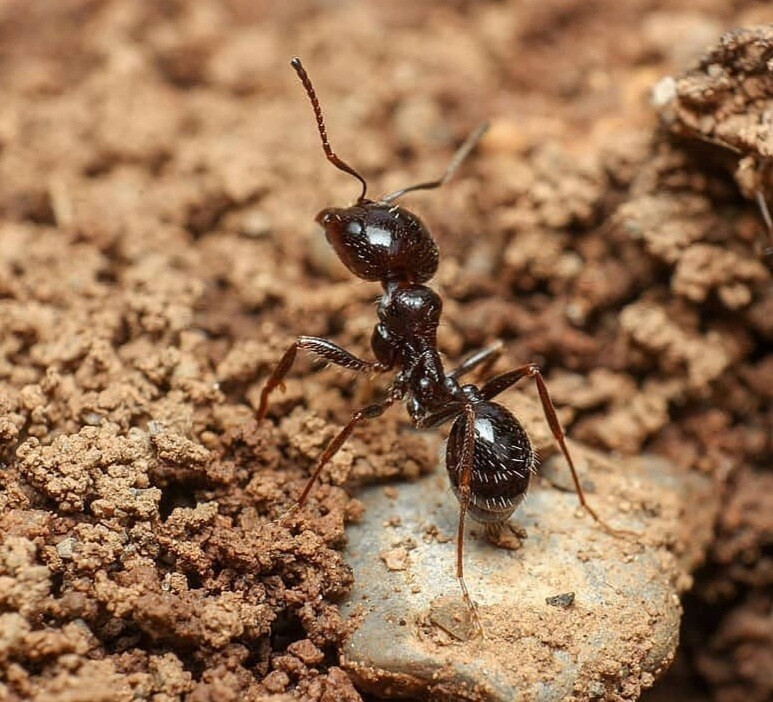
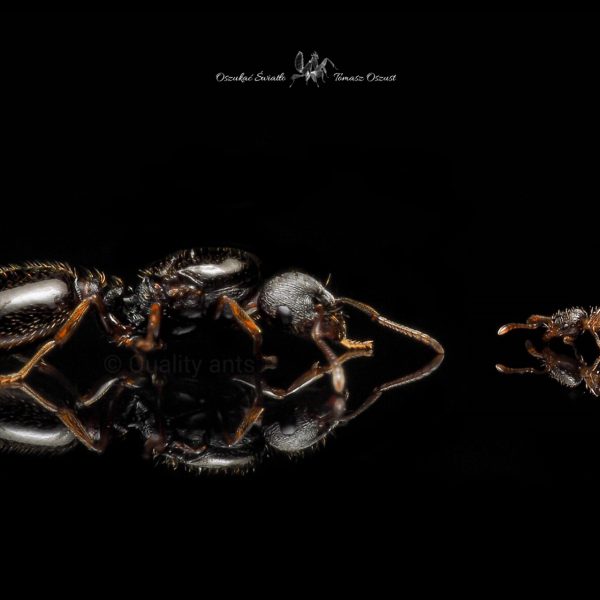
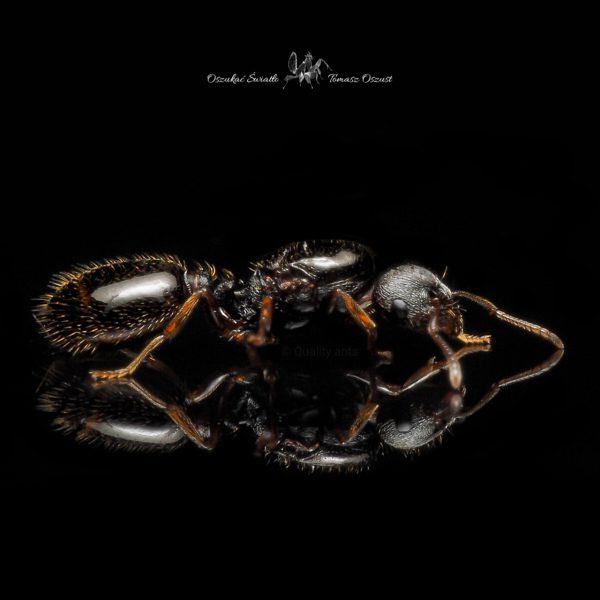
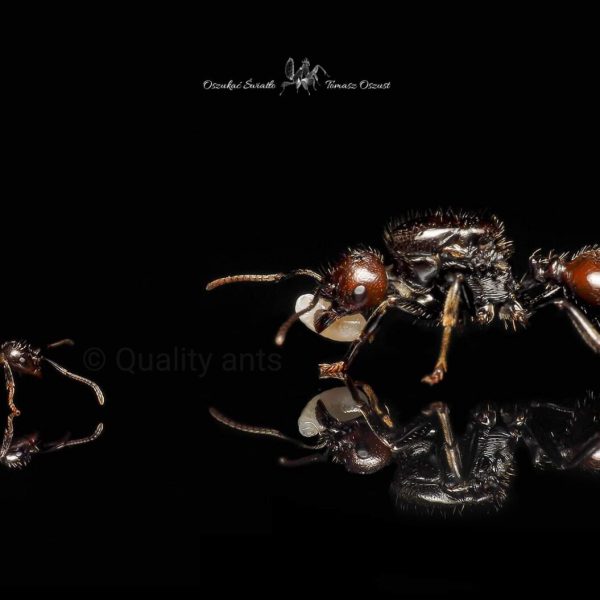
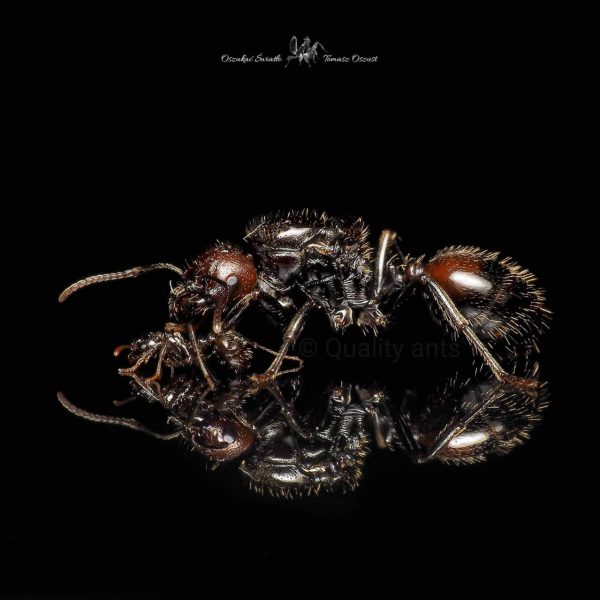
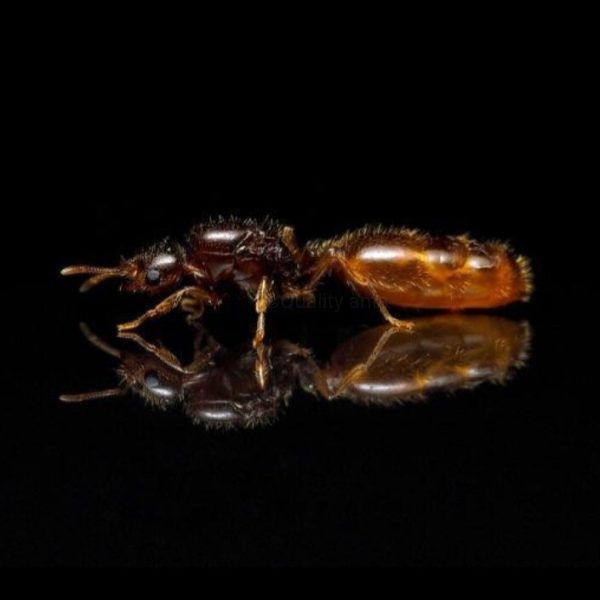
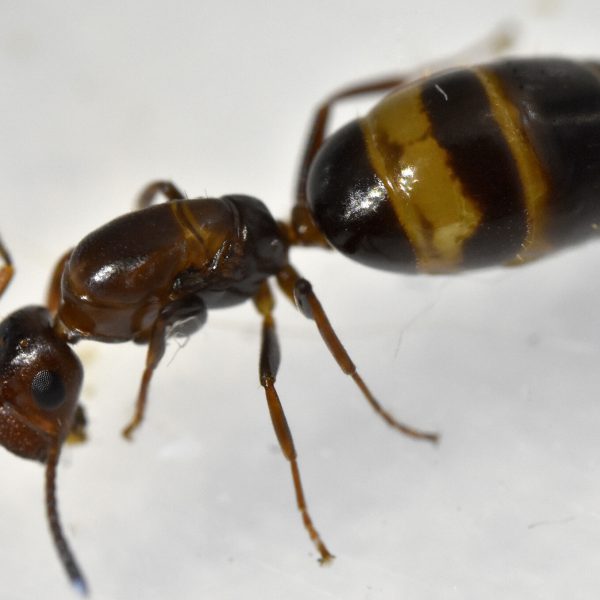
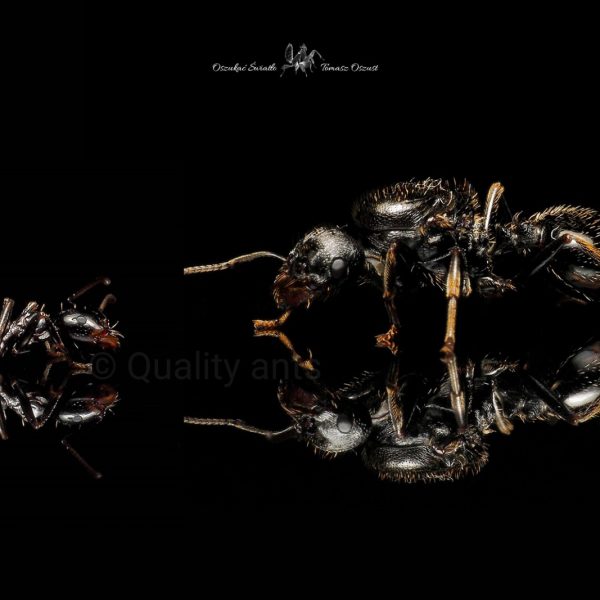
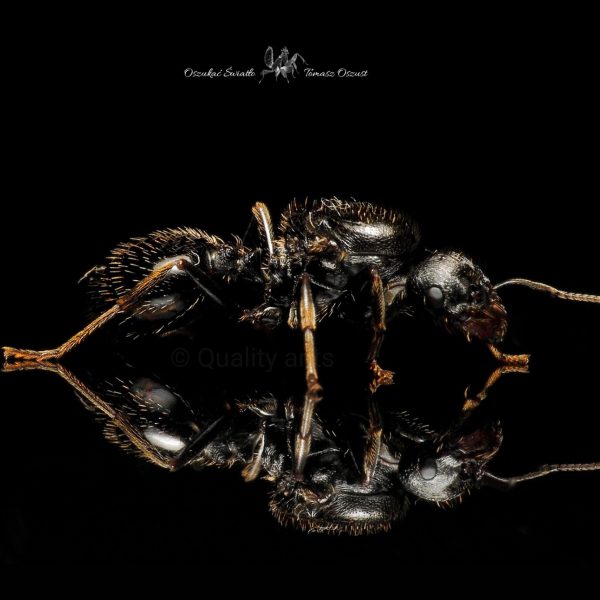
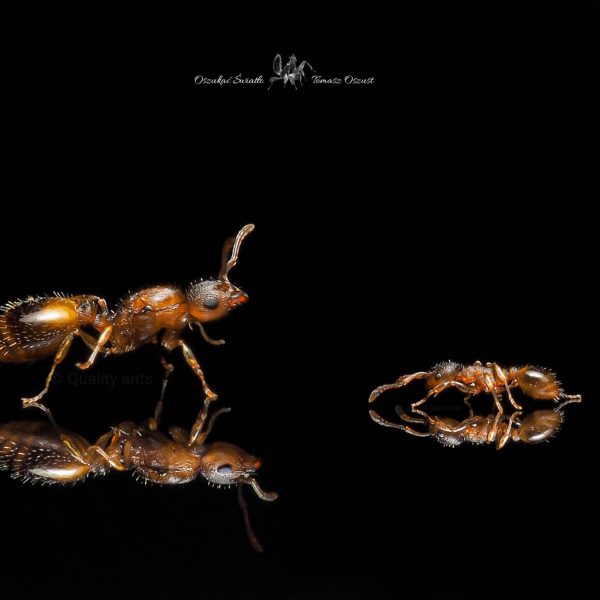
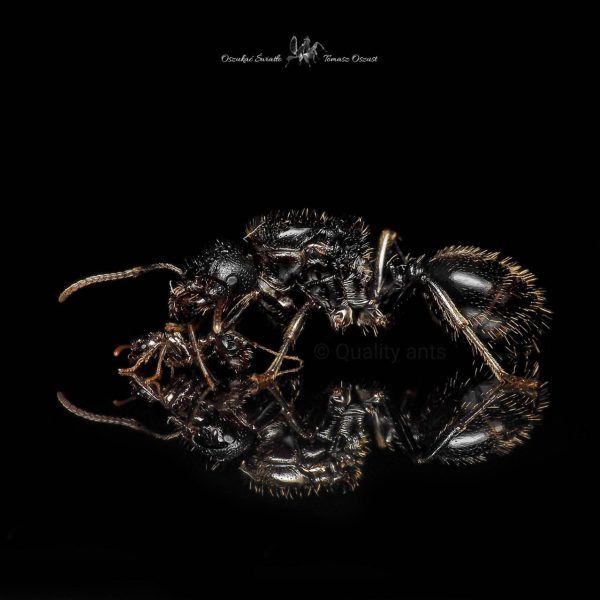
Messor structor are also called harvester ants because they are known to accept various types of seeds and grind them into a paste, which they then feed to the larvae and the queen. They are relatively easy-going and undemanding, making them an ideal species for patient beginners.
Specifications Scientific name: Messor structor Dutch name: Harvester ant Distribution area: Southern Europe, Asia, North Africa Ant color: black with a reddish tinge Difficulty level: 1/5 Queen size: 10-11 mm Worker size: polymorphic, 4-10 mm Soldier size: / Temperature: 20 to 26 degrees Optimal temperature: 24-25 degrees Nest humidity: 50 to 75% Outside world humidity: 30 to 50% Winter dormancy: from November to February at 15 degrees Growth rate: 2/5 Development into number of workers: +- thousands of workers Subfamily: Myrmicinae Organization: claustral Colony formation: polygyne (can have multiple queens per colony)
Care:
Food: seed mix, small insects such as fruit flies, redrunners, crickets, mealworms, buffalo worms.
Food requirement: normal
How many workers should go to a nest?: From 30 workers the colony can be moved to a small nest.
Recommended nest type: test tube, AntLab Fusion Nest, 3D, acrylic, ytong
Care:
Messor structor is relatively easy to care for; the most important thing is that the colony always has sufficient seeds and water. You can also offer the colony an insect a few times a week. Observe their behavior carefully. If, for example, the colony doesn't accept the food, it has sufficient nutrients available, and you can try again a few days later. It's also important that this species is kept in a location with little to no vibration, as it is very sensitive to vibrations and becomes stressed.




Reviews
There are no reviews yet.