Temnothorax nylanderi – Eikelmier
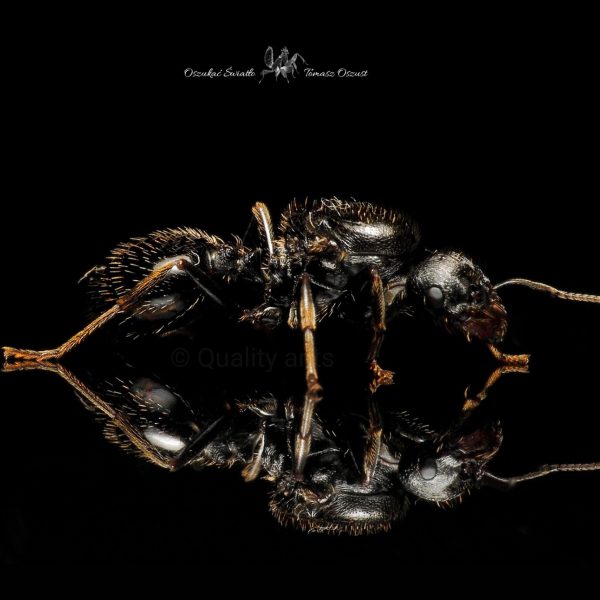
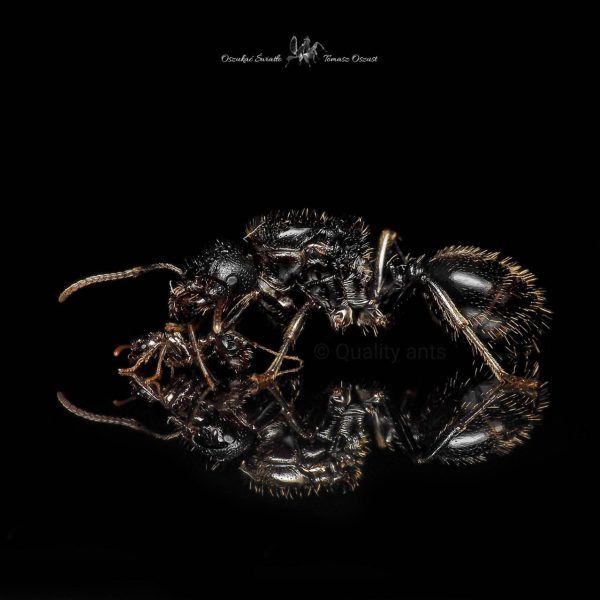
Temnothorax nylanderi is een kleine maar bijzonder interessante Europese mierensoort. Deze soort staat bekend om haar compacte kolonies en haar voorkeur voor zeer kleine nestholtes. In de natuur worden nesten vaak aangetroffen in holle eikels, kleine stukjes dood hout, onder boomschors of soms onder stenen. Door hun kleine formaat kan een complete kolonie in een verrassend kleine ruimte leven.
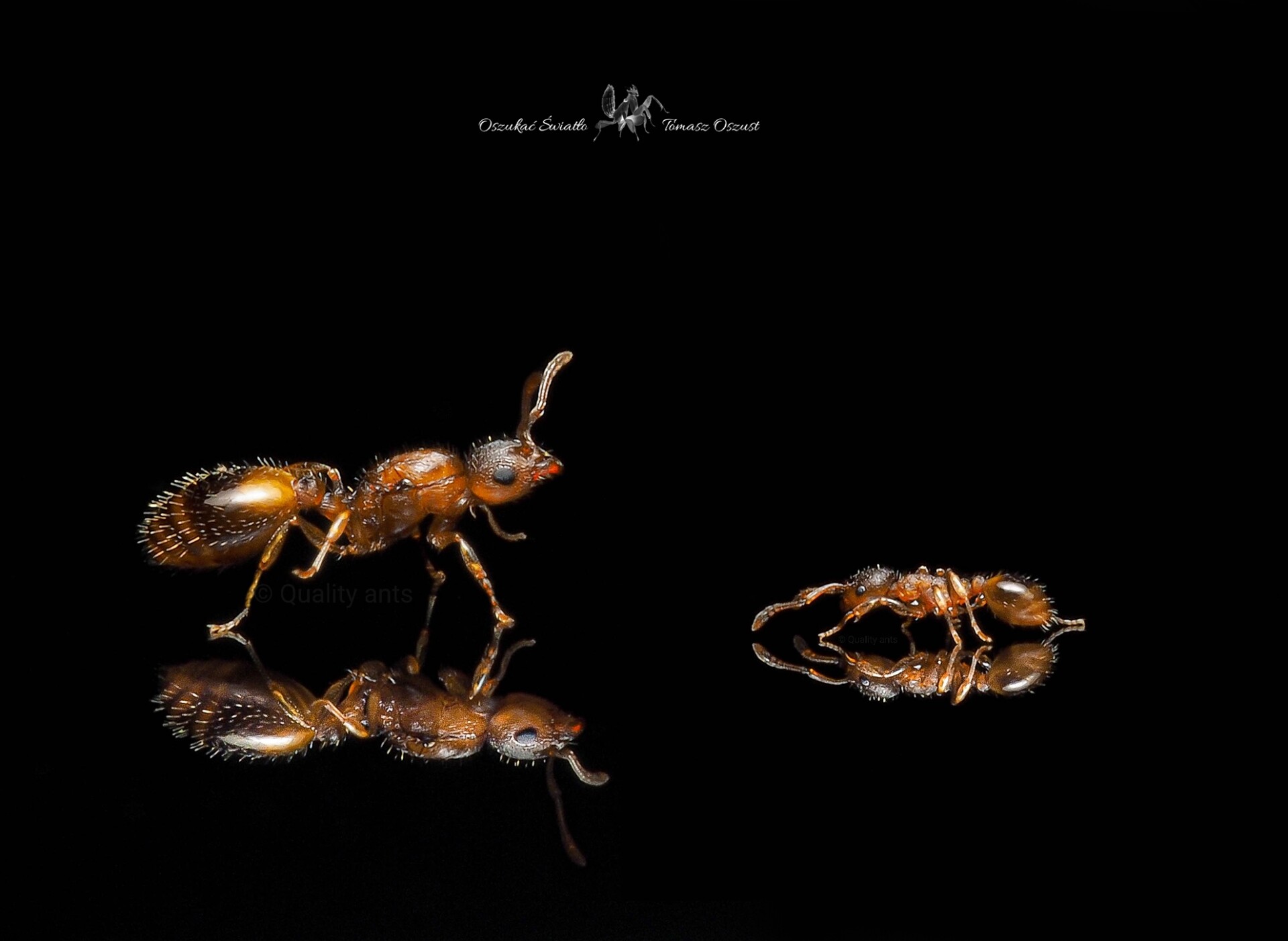
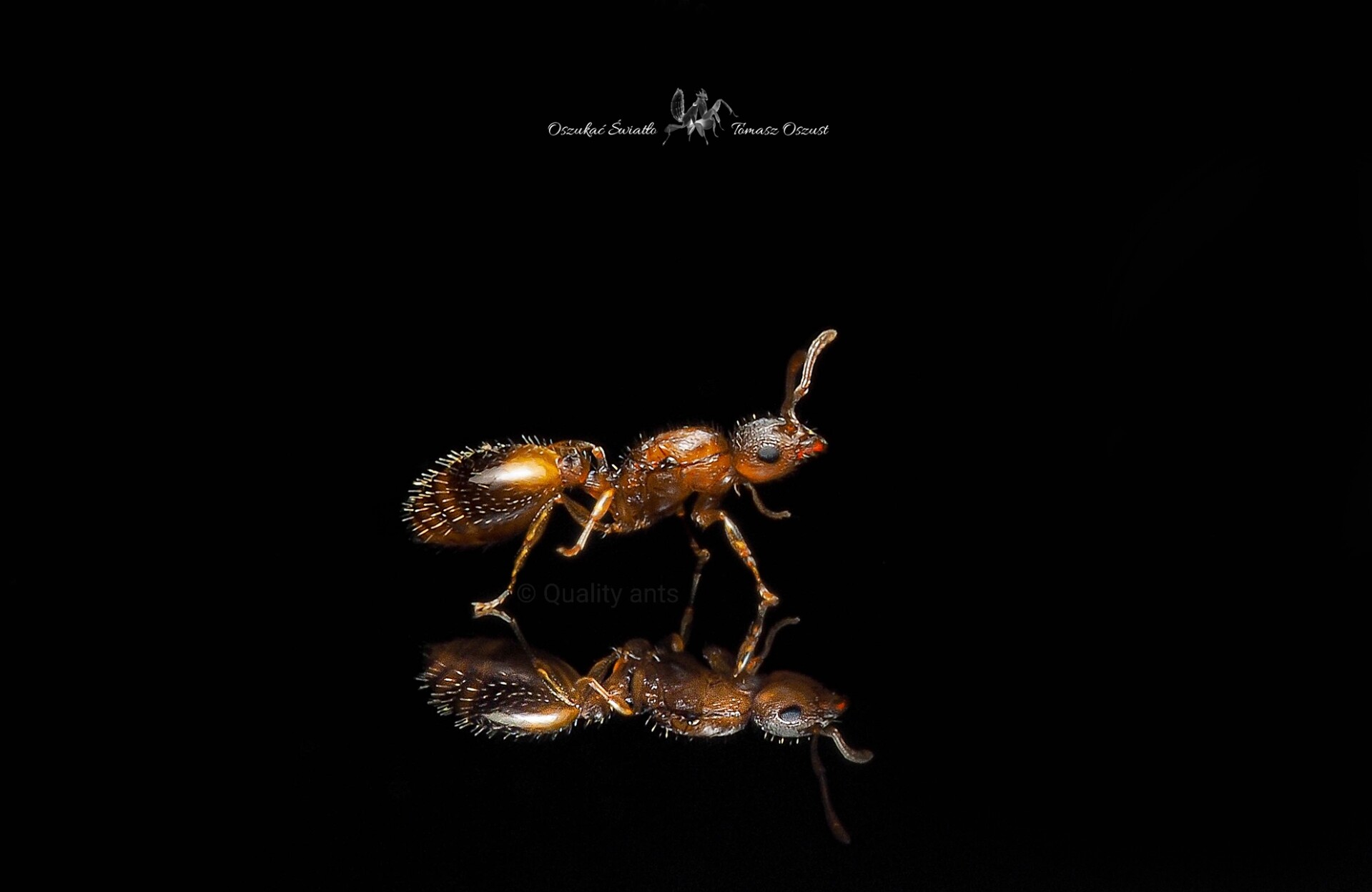
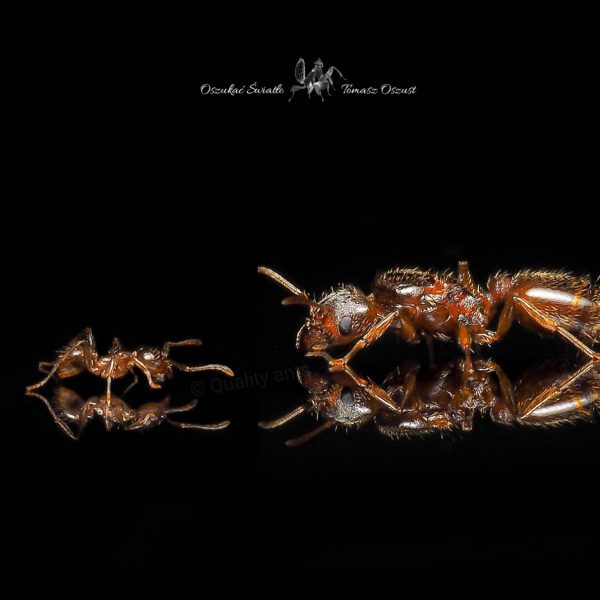
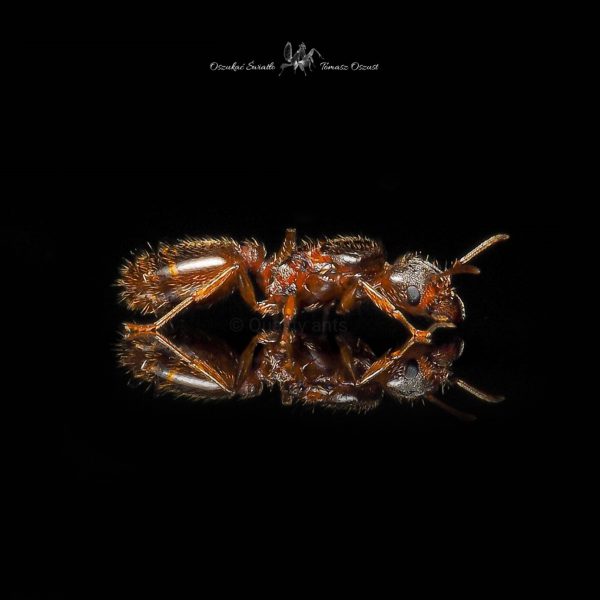
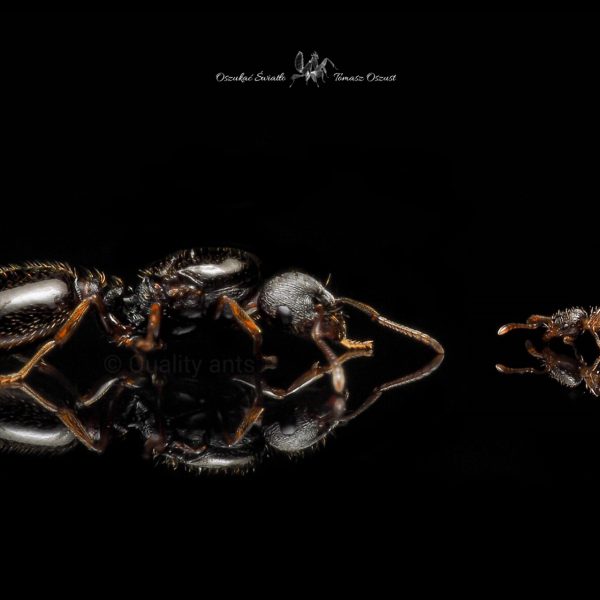
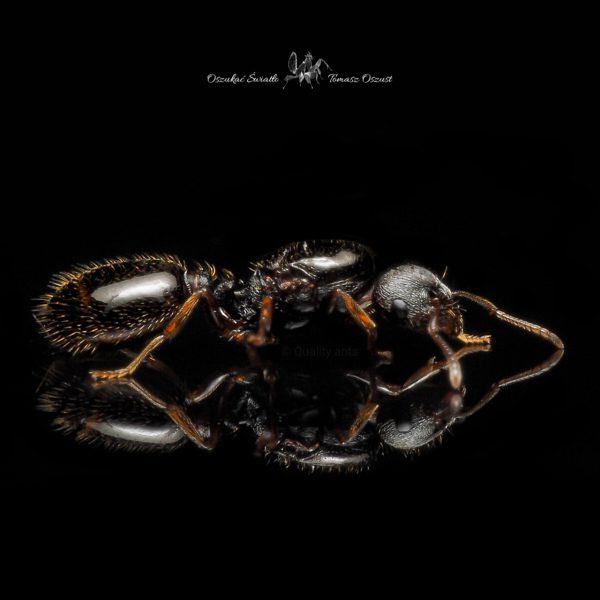
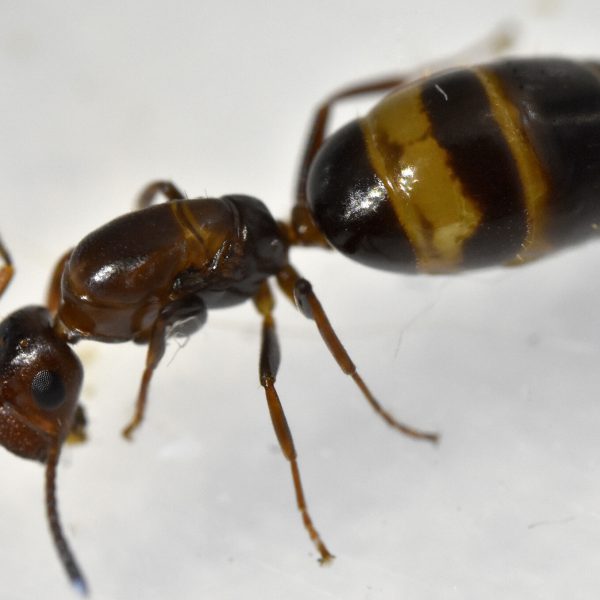
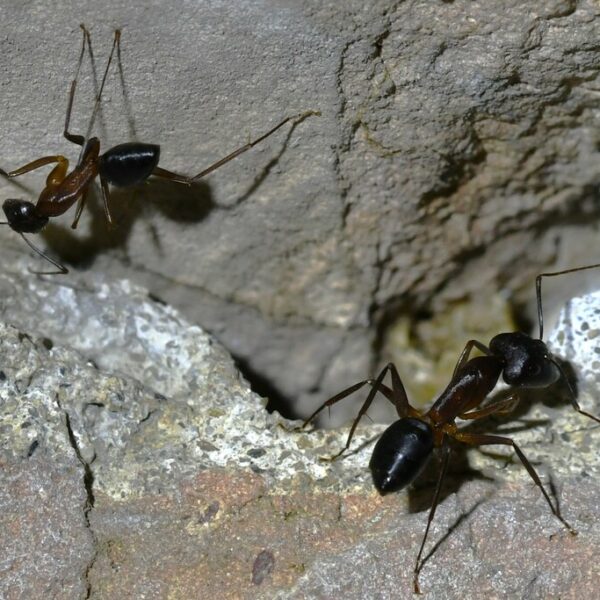
Werksters van Temnothorax nylanderi zijn geelbruin tot lichtbruin van kleur, waarbij de kop en het achterlijf vaak iets donkerder zijn. Ondanks hun kleine formaat laten ze interessant sociaal gedrag zien. Zo staat deze soort onder andere bekend om zogenaamde tandem runs, waarbij een ervaren werkster een andere werkster naar bijvoorbeeld een voedselbron of nieuwe nestplaats begeleidt.
Een groot voordeel van Temnothorax nylanderi is dat kolonies relatief klein blijven. In de natuur worden vaak kolonies van ongeveer 100 tot 300 werksters gevonden. Hierdoor is deze soort zeer geschikt voor liefhebbers die weinig ruimte hebben of graag een complete volwassen kolonie in een compact formicarium willen observeren.
Specificaties
Wetenschappelijke naam: Temnothorax nylanderi
Nederlandse benaming: Eikelmier
Verspreidingsgebied: Centraal- en Zuid-Europa en delen van West-Europa
Kleur van de mier: Geelbruin tot lichtbruin, vaak met donkerdere kop en achterlijf
Moeilijkheidsgraad: 2 / 5
Afmeting koningin: ongeveer 4 – 5 mm
Afmeting werkster: ongeveer 2,3 – 3,4 mm
Afmeting soldaat: Niet aanwezig
Temperatuur: ongeveer 18 – 24°C
Optimale temperatuur: ongeveer 20 – 23°C
Winterrust: Ja, ongeveer oktober/november t/m maart rond 5 – 10°C
Groeisnelheid: Langzaam
Maximale leeftijd koningin: ongeveer 10 – 15 jaar
Uitgroeien tot aantal werksters: meestal ongeveer 100 – 300 werksters, soms iets meer
Onderfamilie: Myrmicinae
Stichting: Claustral; de koningin kan de eerste generatie werksters zelfstandig grootbrengen
Kolonievorming: Monogyne, normaal één koningin per volwassen kolonie
Voeding
Temnothorax nylanderi is een omnivore mierensoort. Door het kleine formaat van de werksters zijn slechts kleine hoeveelheden voedsel nodig.
Voeding: kleine insecten zoals fruitvliegen, kleine stukjes buffaloworm, meelworm, kleine krekels en andere kleine eiwitbronnen.
Suikers: bijvoorbeeld suikerwater, honingwater, Byformica Sunburst Ant Nectar, honingdauw en andere geschikte nectarvoeding.
Vooral tijdens perioden waarin veel larven aanwezig zijn is het belangrijk regelmatig kleine eiwitrijke voedselbronnen aan te bieden. Bij kleine kolonies moet niet te veel voedsel tegelijk worden gegeven, omdat resten sneller kunnen uitdrogen of schimmelen.
Verzorging
Temnothorax nylanderi houdt van een klein en beschut nest. Deze soort heeft juist geen groot nest nodig: een te ruime nestopstelling kan onpraktisch zijn voor zo’n kleine kolonie. Kleine houten nesten, kurknesten, zeer kleine 3D-nesten of natuurlijke nestplaatsen zoals een holle eikel zijn daarom bijzonder geschikt.
Het nest mag licht vochtig worden gehouden, maar voorkom dat het volledig nat wordt. Een kleine vochtgradiënt zorgt ervoor dat de kolonie zelf de meest geschikte plek voor het broed kan kiezen.
Vanaf hoeveel werksters naar een nest: al vanaf een kleine kolonie van ongeveer 10 – 20 werksters kan een zeer klein nest worden aangeboden.
Aanbevolen nest type: klein 3D nest, kurknest, houten nest, klein acryl nest of een natuurlijke holle eikel.
Omdat de werksters slechts enkele millimeters groot zijn, is een zeer goede ontsnappingsbeveiliging belangrijk. Zelfs zeer kleine openingen kunnen voldoende zijn om uit een formicarium te ontsnappen.
✅ Waarom kiezen voor Temnothorax nylanderi
• Zeer kleine en bijzondere Europese mierensoort
• Complete kolonie heeft weinig ruimte nodig
• Interessant tandem- en foerageergedrag
• Kolonies blijven overzichtelijk met meestal slechts enkele honderden werksters
• Kan natuurlijk worden gehouden in bijvoorbeeld een holle eikel
• Leuk voor zowel beginners als ervaren mierenhouders die een compacte soort zoeken
SEO instellingen
Focus keyphrase: Temnothorax nylanderi kopen
SEO titel: Temnothorax nylanderi kopen | Eikelmier – Quality Ants
Meta description: Temnothorax nylanderi kopen? Ontdek de kleine Europese eikelmier met compacte kolonies, interessant gedrag en eenvoudige verzorging.
Slug: temnothorax-nylanderi-kopen

Beoordelingen
Er zijn nog geen beoordelingen.