Outer worlds
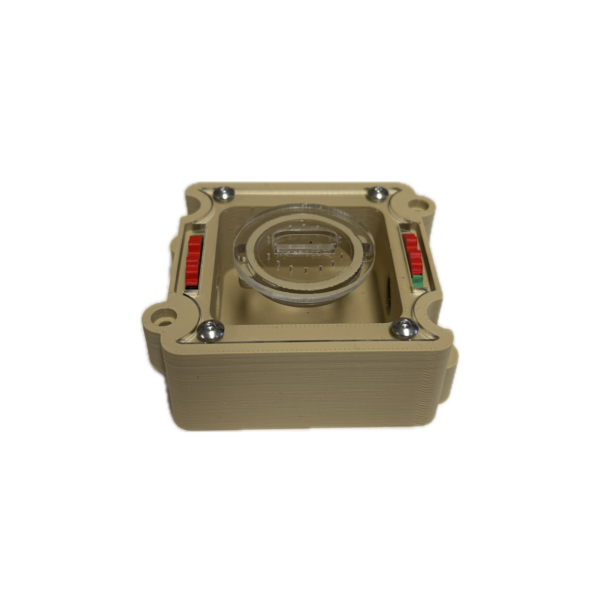
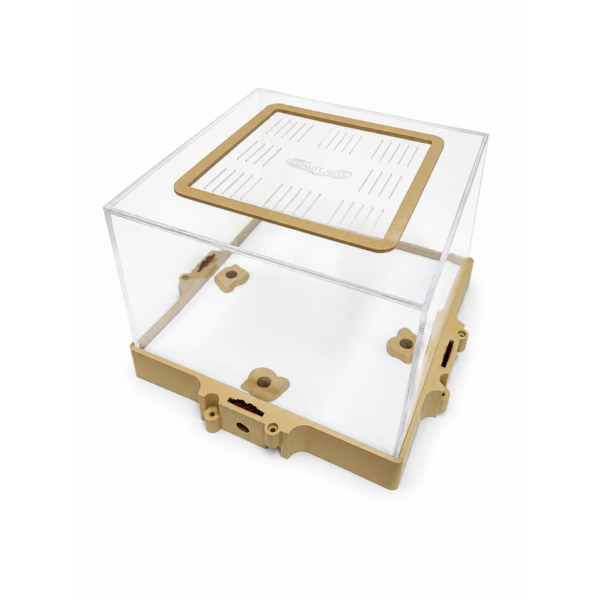
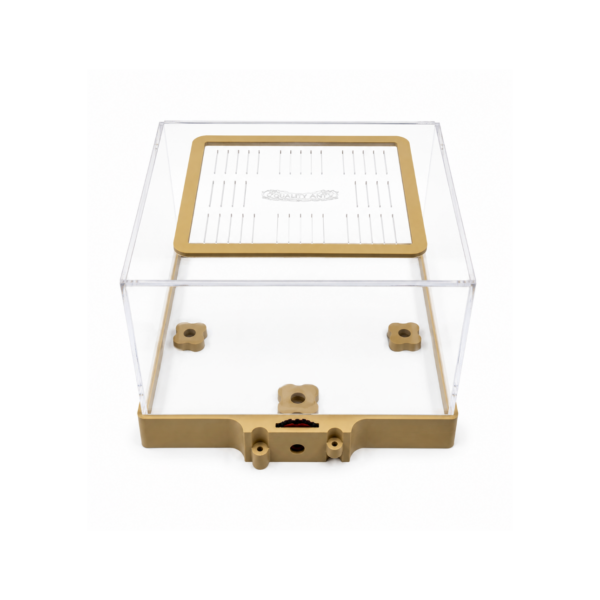
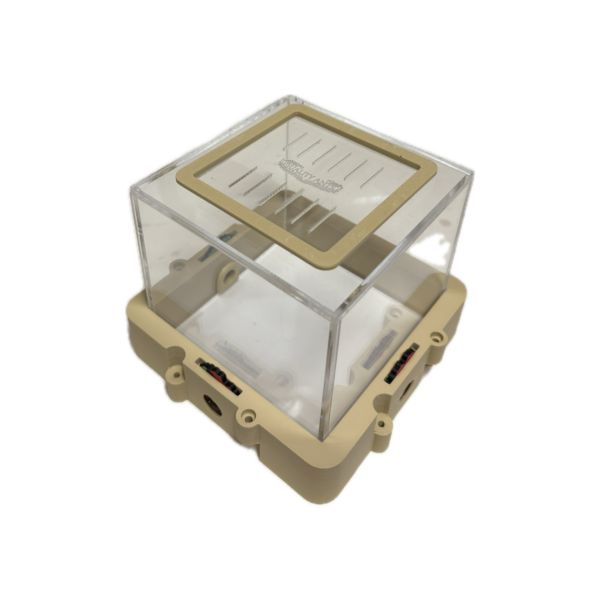
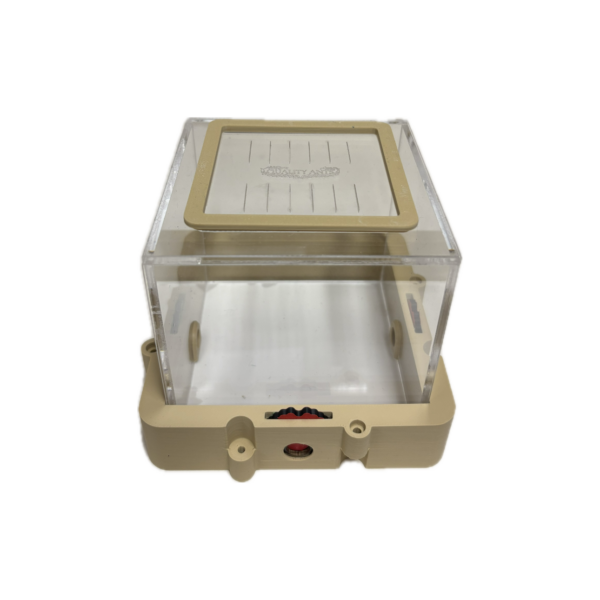


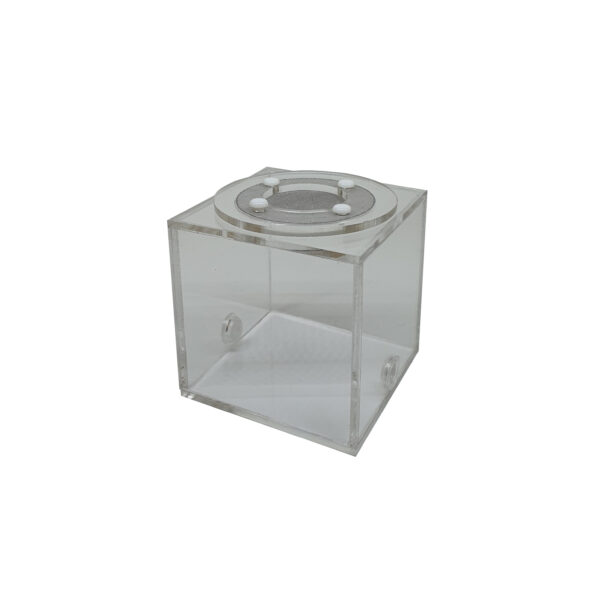
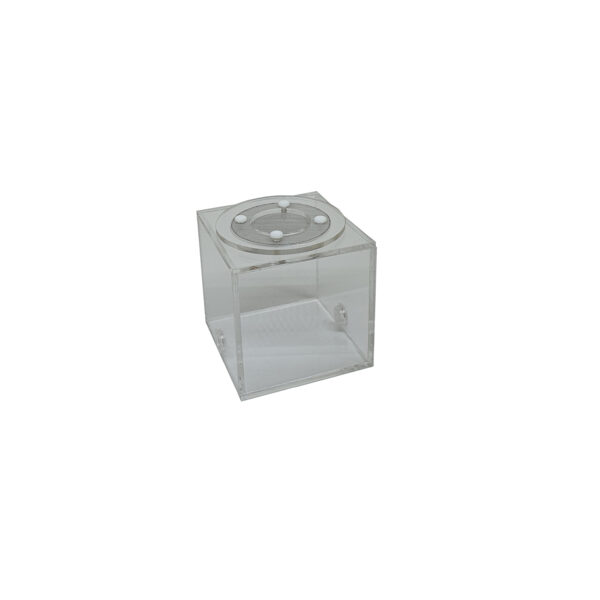
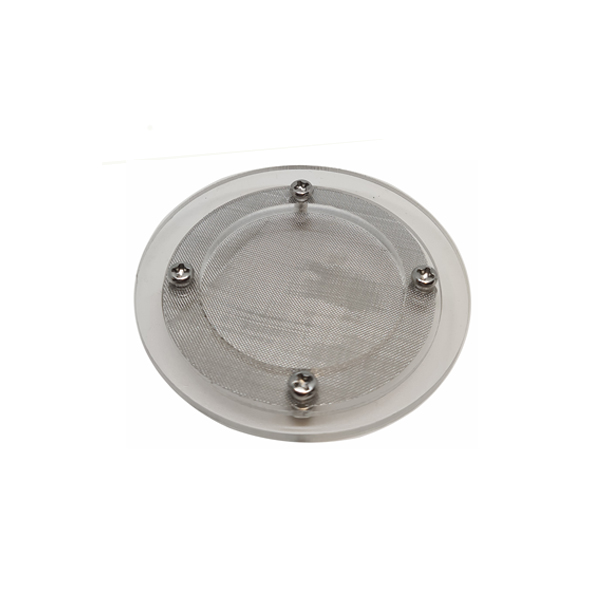
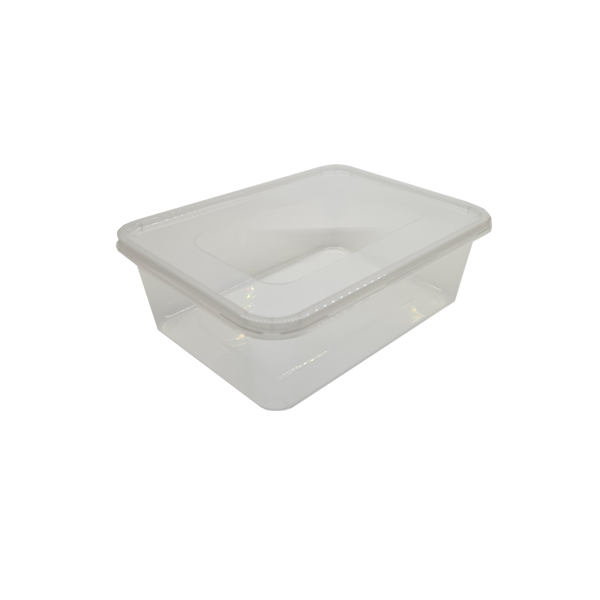
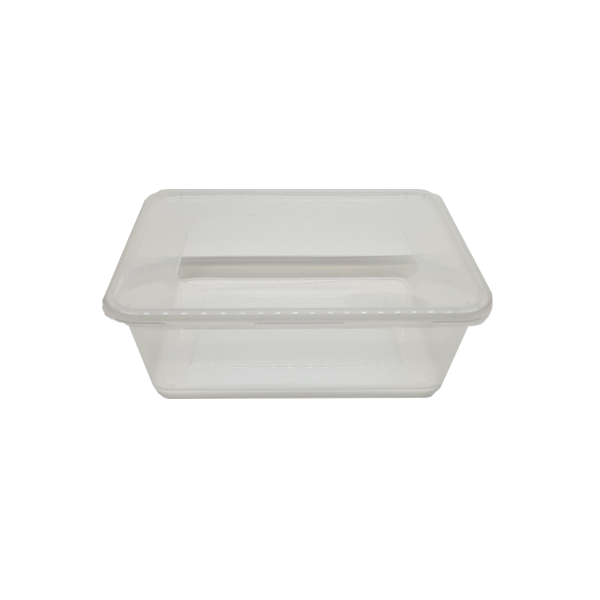
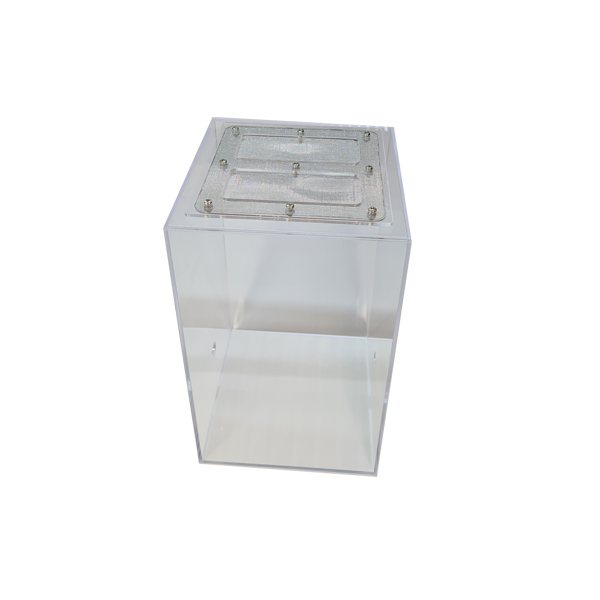
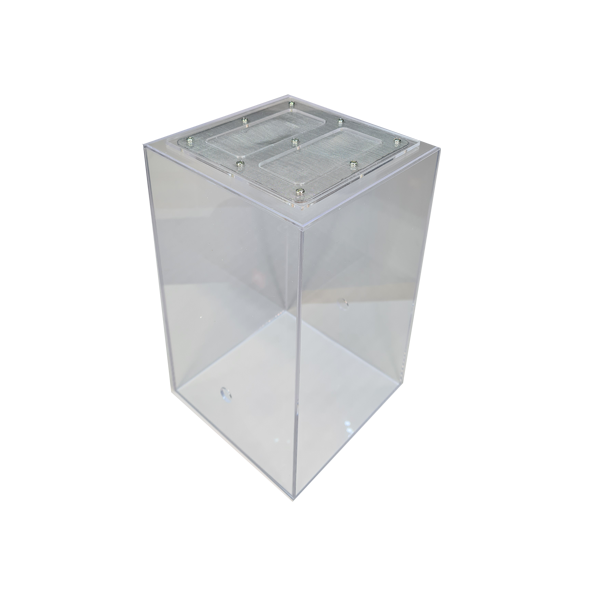
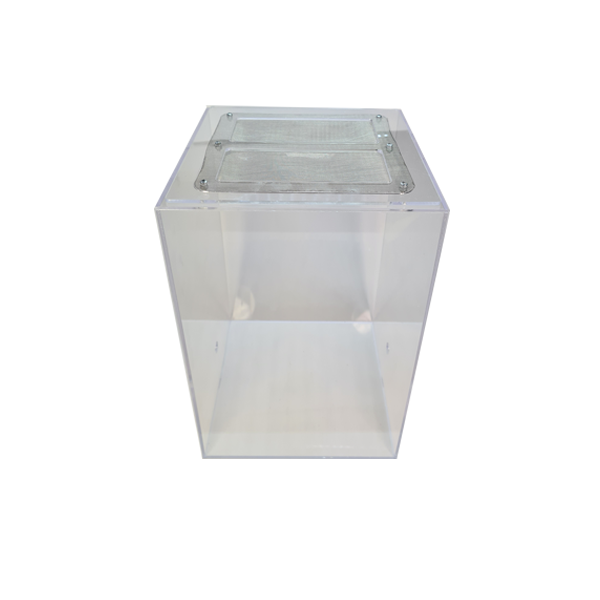
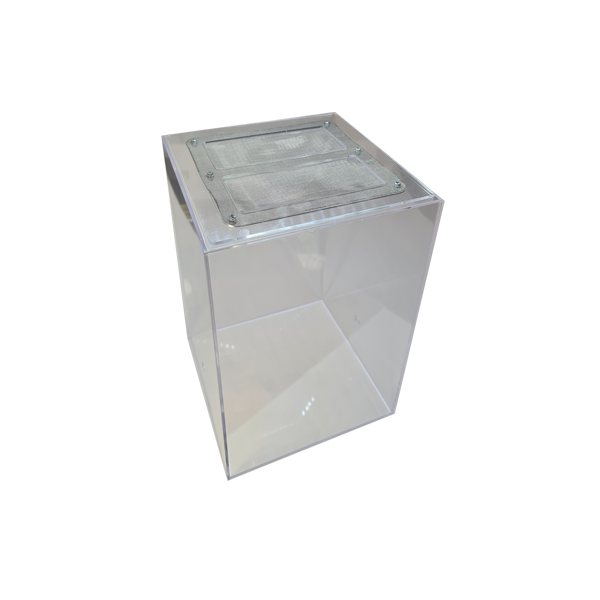
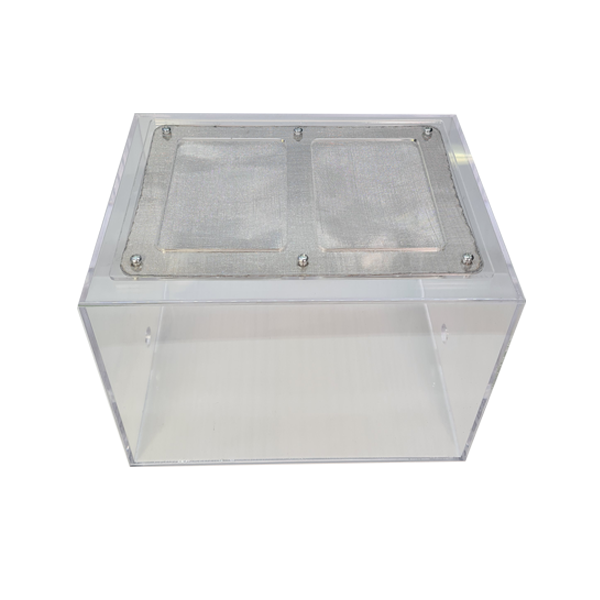
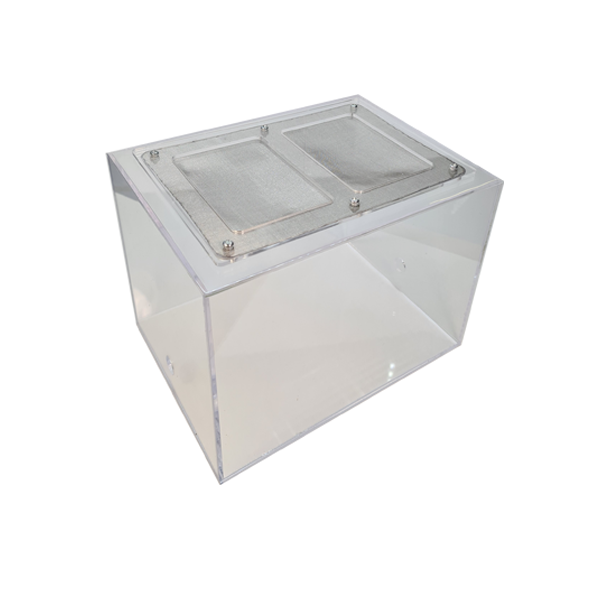
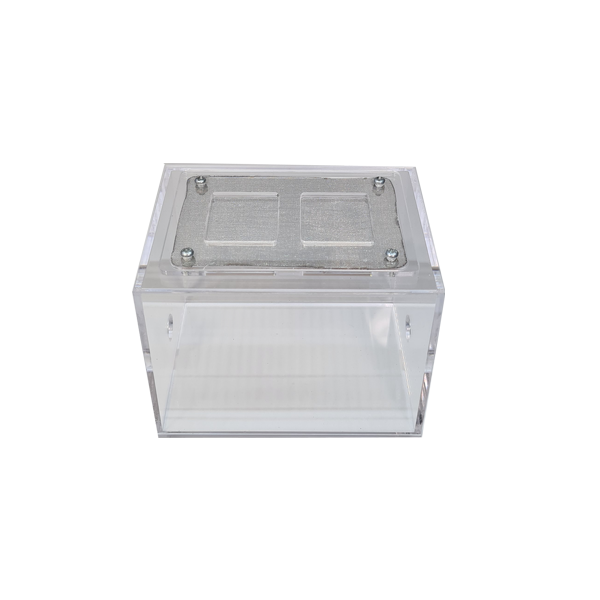
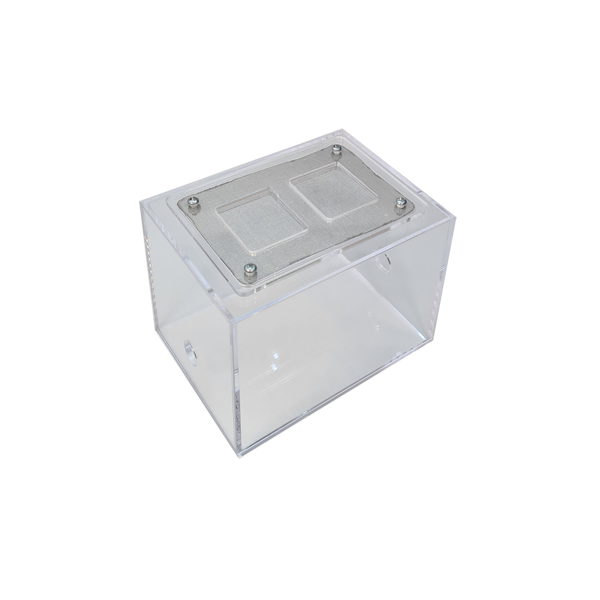
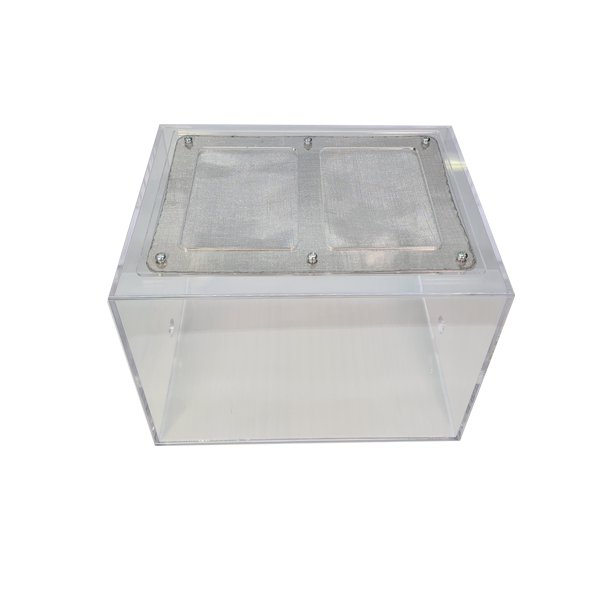
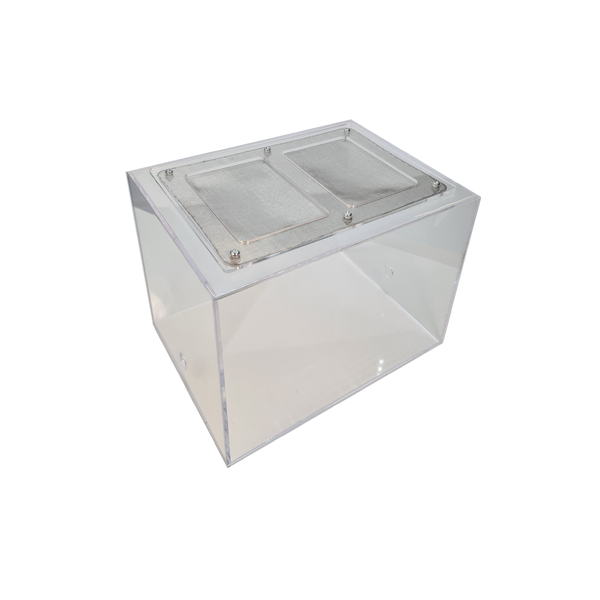
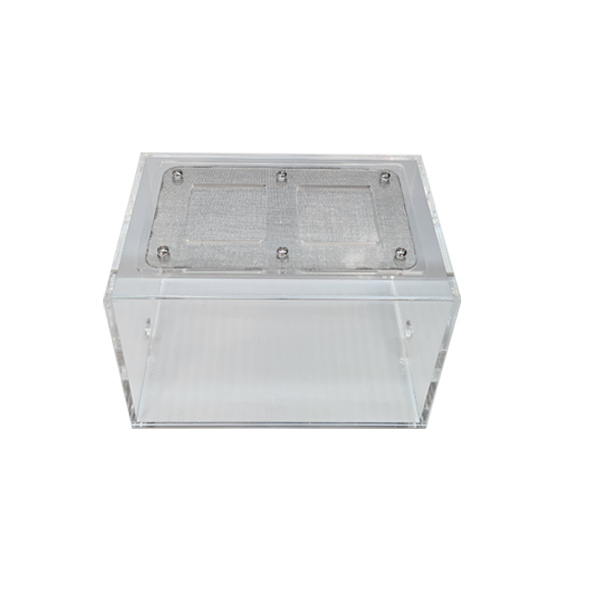
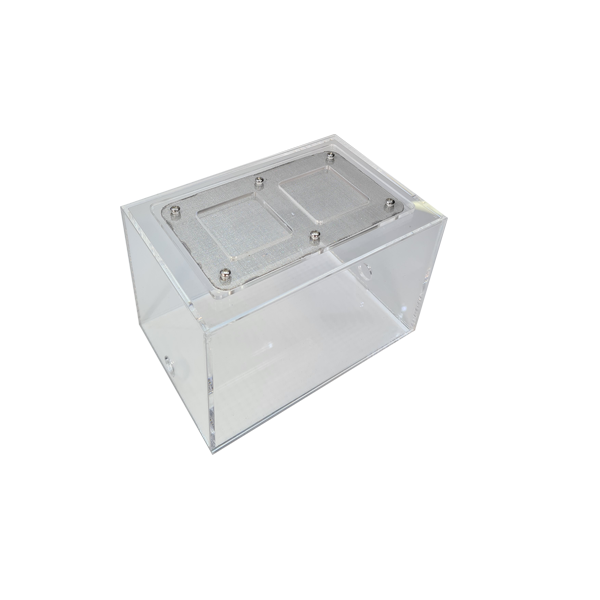
Buy outdoor world for ants – arena for your ant colony
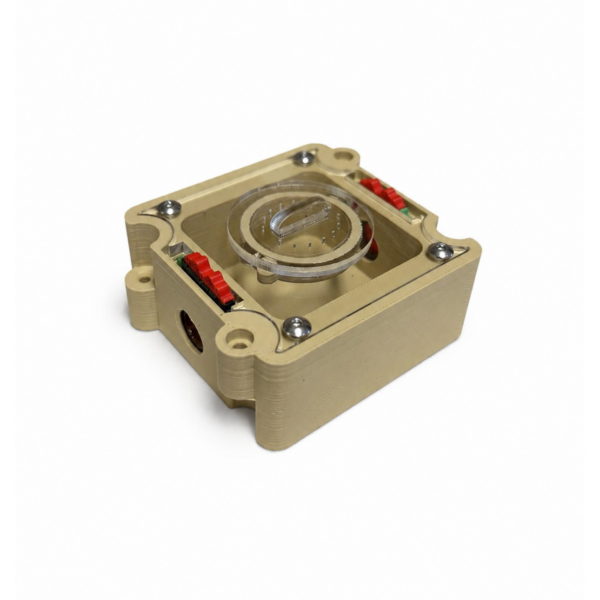
A good outdoor area for ants is an important part of virtually every complete formicarium. The outdoor area, also known as an ant arena , forms the above-ground part of the habitat. Here, the worker ants leave the nest to search for food, drink, explore the surroundings, and remove waste from the colony. At Quality Ants, you will find outdoor areas in various sizes, so you can easily choose a suitable arena for both small starter colonies and large ant colonies.
Moreover, an outdoor environment makes caring for ants much easier. Instead of offering food directly in the nest, you place ant nectar, feeder insects, seeds, and water in the arena. This keeps the actual ant nest quieter and makes it easier to remove food scraps. At the same time, you get the chance to observe your ants' natural foraging behavior up close.
What is the outside world for ants?
An outside world is the part of a formicarium that mimics the above-ground habitat of an ant colony. In nature, worker ants leave their nest to search for food and other important resources. They then return to the colony via the tunnel system. An ant arena makes this same behavior possible within a controlled environment.
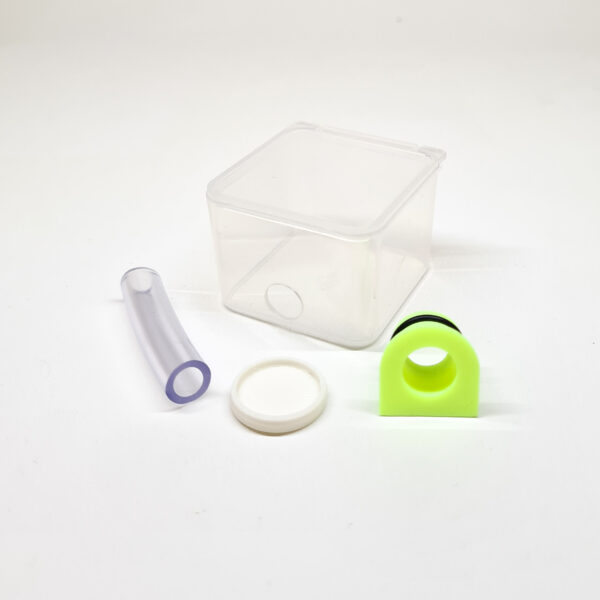
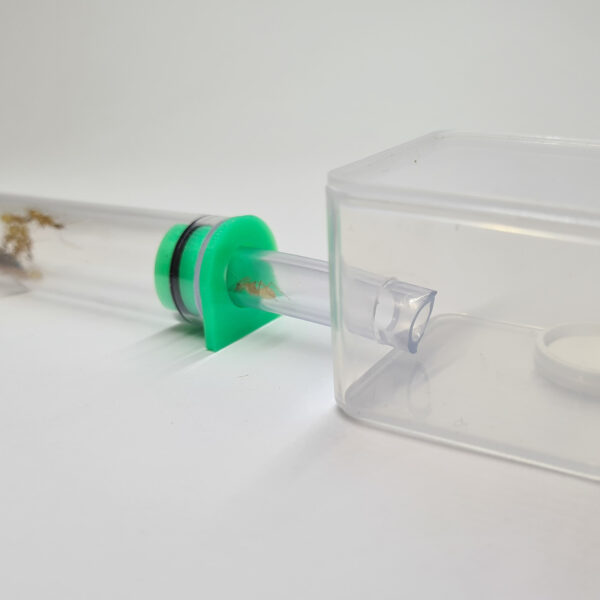
The outside world can be connected directly to an ant nest using a suitable connecting tube. For small colonies, a compact outside world can also be connected directly to a test tube. This way, a young colony does not have to move to a large ant nest immediately, while the worker ants still get sufficient space to forage outside the test tube.
Why does an ant colony need an arena?
As a colony grows, it becomes increasingly impractical to offer food directly in the nest or test tube. An ant arena creates a separate place where you can safely feed and care for the colony. Worker ants can enter the outside world independently and bring the found food back to the nest.
Additionally, many ant colonies use the outside world as a place for waste. Dead insects, empty pupal skins, and other remains are regularly removed from the nest and taken to a waste disposal site. When this occurs in the arena, you can easily remove the waste without opening the nest chambers or disturbing the queen and the brood.
The outside world makes feeding much easier
One of the most important advantages of an outdoor ant world is the ease of feeding. You can neatly place food trays, liquid feeders, and water stations in the arena. This allows you to quickly check how much is being eaten and when food needs to be replaced.
Depending on the ant species, you can offer different types of food. Many species require a combination of carbohydrates and proteins, while seed-eating species, such as many Messor species, primarily collect seeds. By offering food in the outside world, the worker ants can decide for themselves what to bring back to the colony.
From small test-tube outside world to large ant arena
Not every ant colony requires the same amount of space. A young colony with only a few workers is sufficiently equipped with a small test tube outside world. This makes feeding easier without the colony having to move out of its test tube prematurely.
As the number of workers increases, you can switch to a larger arena. At Quality Ants, you will find outdoor worlds in various sizes, allowing you to adjust the available space to the size and activity of your colony.
Observe natural foraging behavior
An outside world is not only practical but also makes keeping ants more interesting. As soon as food is offered, scouting workers go in search of a suitable food source. When they find something, other workers can be recruited, and in many species, a clear route between the nest and the food becomes established.
This allows you to beautifully observe how a colony works together in an ant arena . From discovering a feeder insect to jointly transporting food back to the nest, the outside world offers a unique glimpse into the natural behavior of your ants.
Buy the Outdoor World at Quality Ants
At Quality Ants, you will find various outdoor worlds for ants, from compact models for young colonies to spacious arenas for larger colonies. This allows you to choose an outdoor world that suits your ant species, nest, and number of workers.
Combine your arena with a suitable ant nest, connecting tubes, feeding trays, drinking facilities, and escape prevention to assemble a complete formicarium. This way, you create a practical living environment where your ants have sufficient space to forage and you can easily care for the colony.
Which outside world suits your ant colony?
When choosing an outdoor area for ants, the size and activity of the colony are particularly important. A small starter colony does not yet need an enormous arena. A compact outdoor area makes feeding manageable and ensures that worker ants can easily find food. As the colony grows and more and more worker ants forage simultaneously, a larger outdoor area becomes more attractive.
The ant species also plays an important role. Small species have different requirements than large and active ant species. A large Camponotus colony, for example, needs more room to move than a small colony of a compact species. Therefore, do not automatically choose the largest arena, but tailor the dimensions to your current colony and take future growth into account.
An ant arena for small starter colonies
When a queen has her first workers, the colony can usually continue to live perfectly well in a test tube. However, feeding directly in a test tube becomes increasingly difficult as more workers are present. Moreover, every time the test tube is opened, there is a chance that curious workers will walk out.
A small test-tube outside world offers a practical solution for this. The test tube continues to function as the actual nest, while the connected arena is used for food and water. The ants then decide for themselves when to leave the test tube to forage.
This means you do not have to move a young colony to a larger ant nest unnecessarily early. Only when the test tube becomes too small or the conditions are no longer suitable can a suitable formicarium be connected.
Larger outside worlds for growing colonies
A larger colony naturally requires more space. When dozens or hundreds of worker ants are actively foraging for food, a spacious ant arena more opportunities to provide various food and water stations. It also creates more room for natural decoration and a separate waste zone.
Moreover, in very active colonies, a larger external environment can make observation easier. Workers spread out over a larger area, and various activities within the colony become clearly visible.
Set up your ants' outdoor world naturally
An outdoor area does not have to remain completely empty. With a thin layer of soil, stones, small pieces of wood, or other suitable decorations, you can create an attractive and natural environment. This gives the arena a realistic appearance and makes observing foraging workers even more interesting.
Do take maintenance into account when setting up the enclosure. A very thick layer of substrate can make food remains harder to see, and some ant species may try to dig a new nest in it. A tidy layout therefore combines a natural appearance with easy maintenance.
Outbreak prevention in an ant arena
Reliable ant escape prevention is important when the outside world is opened during feeding or cleaning. Depending on the ant species, a suitable barrier can be installed along the top edge of the arena for this purpose. This allows the worker ants to move freely through the outside world without easily escaping over the edge.
Inspect the barrier regularly and replace it when its effectiveness declines. Small, fast, or prolific climbers, in particular, can be very good at finding small openings. Therefore, also check connections, covers, and connecting hoses regularly.
Connecting the outside world to an anthill
An outdoor formicarium can be connected to the ant nest using a transparent tube. The worker ants use this connection as a route between the safe nest and the above-ground foraging area. Transparent tubes have the advantage that you can clearly see what the ants are doing, even during the transport of food.
When the colony requires more space later on, additional nests or outdoor areas can be connected depending on the setup used. In this way, a modular formicarium can grow along with the colony step by step.
Offering food and drinking water in the outside world
The arena is the ideal place for offering ant food. Ant nectar can be offered in a liquid feeder or small feeding dish, while feeder insects can be placed at a separate feeding station. For seed-eating species, various suitable seeds can be offered.
In addition to food, a reliable source of drinking water is important. A suitable water feeder makes water accessible to the worker bees and reduces the risk of drowning. By offering food and water at fixed locations, the outside world remains manageable and you can quickly check what needs to be replenished.
A clean arena for a healthy colony
Worker bees regularly bring waste from the nest to the outside world. As a result, remnants of feeder insects, empty seed hulls, and other organic material can accumulate. Remove this regularly to keep the arena clean and limit the risk of mold, mites, and other unwanted organisms.
A well-designed outdoor environment for ants makes this maintenance simple. By using food trays and keeping the setup tidy, food scraps can be quickly removed without disturbing the actual nest.
A complete living environment for your ants
The ant nest and the outside world fulfill different functions and together form a complete formicarium. The nest offers a sheltered environment for the queen and the brood, while the arena provides space for foraging, drinking, waste disposal, and exploration.
By providing a suitable outdoor environment, you not only give your ants extra space but also make daily care considerably easier. At Quality Ants, you will find various sizes and designs that allow you to create a setup that suits both your ant species and the size of the colony.
What happens in an ant arena?
An ant arena is one of the most interesting parts of a formicarium to observe. While the queen and brood remain primarily within the protected nest, a large part of the visible behavior of the worker ants takes place in the outside world. Here they search for food, investigate new objects, and transport food back to the colony.
As soon as a worker discovers a suitable food source, she can lead other workers to this location. In species that form distinct foraging paths, you can subsequently see an increasingly busy route developing between the nest and the food source. This can be an impressive sight, especially in larger colonies.
More natural behavior due to sufficient space
In nature, worker ants must regularly travel considerable distances to find suitable food sources. Although this occurs on a smaller scale in a formicarium, a suitable outdoor environment for ants the colony space to explore and forage.
An arena does not need to be extremely large. The most important thing is that the available space matches the size and activity of the colony. A young colony is satisfied with a compact outdoor area, while a large and active colony benefits more from a more spacious arena.
What size outside world do you need?
There is no universal size suitable for every ant colony. When choosing an ant habitat, you can take into account the number of workers, the body size of the species, and the level of activity. A small species with twenty workers places different demands on an arena than a large colony with hundreds of active workers.
Moreover, a larger outdoor area offers more space for multiple feeding points, drinking facilities, and decorations. If you have a fast-growing species, it may be wise to take future expansion into account in advance.
Outside world for Messor species
For seed-eating species such as Messor barbarus, a well-organized arena is particularly practical. Various seeds can be offered in a feeding dish, after which the worker bees collect them and transport them to the nest. Empty seed husks and other debris are then often taken back outside the nest.
This allows you to closely observe in the outside world how the colony collects and processes its food. At the same time, a separate arena makes it easier to remove leftover residue and keep the surroundings clean.
Outdoor world for Camponotus species
also interesting for many Camponotusspecies. Due to their relatively large body size, these ants are often highly visible while foraging. For example, you can clearly observe how worker ants drink ant nectar or examine and process feeder insects.
As a Camponotus colony grows, the number of foraging workers also increases. A suitable arena offers sufficient space to provide various food sources without the outside world becoming cluttered.
Outdoor world for small ant species
For small species such as Lasius, Tetramorium , and many Pheidolespecies, a good seal is particularly important. Small workers can escape through very narrow openings. Therefore, carefully check the connections between the nest, the snake, and the outside world.
A compact arena for ants can be sufficient for a young colony. As the number of worker ants increases, the setup can later be expanded to a larger outdoor area.
Use food trays for a hygienic arena
Feeding trays are a simple way to keep an ant arena clean and organized. Instead of placing ant nectar, insects, or seeds directly on the ground, you offer them on a separate surface. This makes it much easier to remove leftover food.
This is particularly practical for feeder insects. Remnants can dry out or become moldy over time. By offering them on a feeding tray, you can remove these remnants without disturbing the entire setup of the arena.
Decoration in an ant country world
Do you want to create a natural-looking formicarium? Then you can decorate the outside world with suitable stones, wood, sand, or other natural materials. This allows you to create an environment that matches the natural habitat of your ant species.
However, use decoration in moderation. An arena with many loose materials is more difficult to clean, and food residues can get lost among the decorations. With a practical setup, sufficient open space always remains available to properly feed and observe the colony.
A separate waste disposal area in the arena
Ants are highly organized when it comes to waste. Many colonies eventually choose a specific corner or location in the outside world where dead workers, food scraps, and other waste are collected. If you notice that your colony consistently uses the same spot, you can take this into account during cleaning.
Regularly removing this pile of waste contributes to a hygienic living environment. Moreover, you do not need to open the nest to do so, minimizing disturbance to the queen and brood.
Expand your formicarium step by step
A major advantage of a separate outdoor world for ants is the flexibility. You can start with a simple setup consisting of a test tube and a small arena. Later, an ant nest can be added, and as the colony grows, additional nest modules or a larger outdoor world can be connected.
This way, the entire living environment grows along with your colony. You do not need to purchase a large installation immediately and can tailor every expansion to what your ants actually need at that moment.
Quality Ants outdoor worlds for every colony
At Quality Ants, you will find various outdoor worlds and arenas for ants, so you can choose a size that suits your colony and formicarium. From compact solutions for starter colonies to larger arenas for active and growing colonies: a good outdoor world makes caring for and observing ants considerably easier.
Combine your outdoor environment with the right ant nest, ant food, drinking facilities, feeding trays, connecting materials, and escape prevention. This way, you build a complete and practical living environment for your ant colony step by step.
Common mistakes in an outdoor world for ants
An outdoor environment for ants makes caring for a colony considerably easier, but an incorrect setup can cause unnecessary problems. A common mistake, for example, is using too much decorative material. A natural setup looks beautiful, but when the floor is completely covered with sand, wood, and stones, food remnants can become difficult to see and cleaning becomes harder.
Insufficiently controlled escape prevention can also cause problems. Some ant species are excellent climbers, and small species can escape through surprisingly narrow openings. Therefore, regularly check the top edge, the lid, the connections, and all connecting hoses of the ant arena.
Prevent ants from nesting in the outside world
The outside world is primarily intended as an area for foraging and not as a replacement for the actual ant nest. When a thick, moist layer of soil is applied, some ant species may attempt to dig tunnels within it and move their brood to the arena.
To prevent this, keep the substrate relatively thin and ensure that the adjacent ant nest offers more attractive conditions. The right combination of darkness, humidity, and temperature ensures that the colony usually uses the designated nest as the primary nesting site.
How do you keep an ant arena clean?
Regular maintenance is important for a hygienic ant outdoor environment. Remove leftover feeder insects before they start to mold and regularly check the colony's waste disposal sites. Spilled liquid food should also be removed promptly.
Feeding trays are particularly practical for this. By not offering ant nectar, insects, and other food directly on the bottom, the arena remains cleaner and you can easily remove food residue.
Be careful with moisture in the outside world
Unlike many ant nests, an arena usually does not need to be kept constantly moist. The correct humidity for the queen and the brood is created primarily within the nest. A relatively dry external environment makes maintenance easier and reduces the risk of mold formation.
This does not mean that drinking water must be lacking. Ensure that the worker ants have access to a safe water source and check it regularly. The exact conditions must always be tailored to the needs of the ant species you keep.
The right temperature in your formicarium
Temperature plays an important role in keeping many ant species. Tropical species, in particular, can benefit from supplemental heating. However, it is usually not necessary to heat the entire arena for the ants evenly. A temperature gradient gives the colony more opportunities to choose a suitable location itself.
Additionally, never place a formicarium in direct sunlight for extended periods. A transparent outer world can heat up quickly due to sunlight, causing the temperature to become dangerously high within a short time.
A larger arena for a growing ant colony
As a colony grows, the number of workers collecting food simultaneously increases. An outside world that functioned perfectly with twenty workers can eventually become too small or impractical when the same colony consists of hundreds of workers.
a larger ant arena can provide extra space for foraging behavior, multiple feeding stations, and drinking facilities. Moreover, it becomes easier to care for a large colony without large numbers of worker ants gathering around the same opening during every feeding.
When should you expand the outside world?
There is no exact number of workers at which a larger outdoor area becomes necessary. Pay close attention to the behavior of the colony. If the arena is constantly very crowded during feeding, maintenance becomes more difficult, or you have insufficient space for food and water, expansion may be wise.
Thanks to a modular setup, you do not have to replace the entire formicarium immediately. For example, you can connect a larger outdoor area while the existing ant nest remains in use.
Combining multiple outside worlds
For large colonies, it can be beneficial to use multiple outdoor areas. This creates different foraging areas connected to the nest via transparent tubes . This provides active colonies with extra space and makes it possible to offer food at various locations.
Moreover, an extensive system with multiple nest modules and arenas makes it particularly interesting to observe how worker bees move through the formicarium and discover various food sources.
Feed safely without disturbing the colony
One of the biggest advantages of a separate outdoor area for ants is that the actual nest can remain closed during feeding. As a result, the queen and brood are hardly disturbed. You only need to open the arena to add food or remove waste.
For active species, a good escape barrier is especially important. Before opening the outside world, check that the barrier is still functioning properly and ensure that all necessary food and supplies are ready. This allows the arena to be maintained quickly and calmly.
Turn your outdoor world into a natural eye-catcher
In addition to functionality, an ant arena also be a beautiful part of your formicarium. With a carefully chosen substrate, a few stones, pieces of wood, or other suitable decorations, you create an environment reminiscent of the natural habitat of your ant species.
A good layout combines appearance with practical maintenance. Therefore, leave sufficient open space available for food bowls and beverage facilities, and ensure that all parts of the outside world remain accessible during cleaning.
Assembling a complete ant setup
An outdoor area works best as part of a complete formicarium. Combine your arena with a suitable ant nest, connecting tubes, drinking facilities, ant food, and appropriate escape prevention. This creates a clear separation between the protected nest area and the area where the worker ants forage for food.
At Quality Ants, you can combine your outdoor ant world step by step with the necessary parts. This way, you build a complete ant setup that can grow from a small starter colony to a large and active colony.
How do you choose the best outdoor environment for your ants?
The best outdoor environment for ants depends on your ant species, the size of the colony, and how you want to set up the formicarium. For a young colony, a compact arena is often sufficient. The worker ants can easily find the food, and you maintain a good overview during feeding and cleaning.
For a larger colony, more surface area is practical. You gain more space for feeding dishes, drinking facilities, and various food sources, while the worker ants have sufficient room to forage. Additionally, take into account the body size and activity of your ant species. A large, active colony can benefit from a spacious arena sooner than a small and slow-growing colony.
From test tube to complete formicarium
A major advantage of a separate ant arena is that you can start small. For example, a young colony can continue living in its test tube while it is connected to a compact outside world. This gives the colony access to a separate feeding area without the need for a premature move to a large nest.
As the colony continues to grow, a suitable ant nest can be connected. Later, depending on the chosen setup, additional nest modules or a larger outdoor area can be added. In this way, the complete formicarium grows step by step along with the development of your ant colony.
Frequently asked questions about outdoor worlds for ants
What is the difference between the outside world and an ant arena?
In the ant hobby, an outside world and an ant arena usually refer to the same thing: the area outside the actual nest where the worker ants can forage, drink, and leave behind waste. The terms outside world for ants, arena, and outworld are therefore often used interchangeably.
Does every ant colony need an outside world?
A newly captured queen during the claustral founding phase generally does not yet require an outside world in species that establish entirely claustrically. However, as soon as workers are present and you need to feed regularly, a small arena becomes particularly practical. For species with a different founding strategy, the needs may differ.
How big should an ant arena be?
There is no fixed size suitable for every colony. Adjust the size to the number of workers, body size, and the activity of the species. Start compactly with a young colony and increase the available space as the colony grows or the existing arena becomes impractically crowded.
What can I place in the outside world?
In the arena, you can place food dishes, liquid feeders, and suitable drinking facilities, among other things. Depending on the species, you can offer ant nectar, feeder insects, seeds, or other suitable ant food here. Additionally, a limited amount of suitable decoration can be used for a natural look.
Must the outside world be humid?
Not standard. For many species, the outside world can remain relatively dry, while the required humidity is primarily regulated within the nest. However, ideal conditions vary by ant species. Additionally, always ensure access to suitable drinking water.
How do I prevent ants from escaping the arena?
Use suitable escape prevention and regularly check the edges, connections, connecting hoses, and any covers. Which barrier is most suitable depends, among other things, on the ant species and the external environment used. Small species require extra attention because they can pass through very narrow openings.
Can I connect a test tube directly to the outside world?
Yes, with a suitable outside world or connection, a test tube can become part of a simple starter setup. The ants continue to live in the test tube while the worker ants can independently go to the arena to collect food. This is a practical solution for many young colonies.
How often should I clean an ant arena?
There is no fixed cleaning frequency. Check the outside regularly and remove food residue, dead feeder insects, and other waste before it starts to mold or becomes heavily soiled. An organized layout and the use of feeding trays make this considerably easier.
Can I connect multiple arenas to one colony?
This is possible with a suitable modular setup. Especially for larger colonies, multiple foraging areas can provide extra space. Ensure that all connections fit together properly and are escape-proof.
Buy an outdoor world for a small or large ant colony
Whether you have a small starter colony or are caring for a large colony with hundreds of worker ants, purchasing a suitable outdoor environment for ants makes feeding, observing, and maintaining the colony much easier. By matching the size to the colony, you prevent a young colony from having unnecessarily much space, while larger colonies retain sufficient room to actively forage.
At Quality Ants, you will find various outdoor worlds and arenas that can be combined with test tubes, ant nests, and other formicarium components. This allows you to assemble an ant setup that complements your current colony and can be expanded further later.
Everything for your ant arena at Quality Ants
A good arena becomes even more practical with the right accessories. For example, combine your ant outdoor world with food trays for a hygienic feeding station, a liquid feeder for liquid food, a drinking facility, and suitable escape prevention. With connecting hoses and couplings, you can then safely connect the outdoor world to the ant nest.
By carefully coordinating the nest, the outside world, food, and accessories, a complete formicarium is created in which the various components each have their own function. The queen and the brood remain protected in the nest, while the workers use the arena to forage and explore the surroundings.
Buy outdoor world for ants at Quality Ants
Looking to outdoor enclosure for ants buy? Discover the Quality Ants range. From compact outdoor enclosures for young colonies and test-tube setups to larger arenas for growing ant colonies, you can easily choose a size that suits your situation.
A suitable outdoor environment gives your worker ants space to exhibit natural foraging behavior and simultaneously makes providing food and water much easier. Moreover, you can observe the fascinating behavior of your ants perfectly without having to constantly open the actual nest.
Order your ant arena from Quality Ants and combine it with a suitable ant nest, ant food, and the necessary accessories. This way, you build a well-organized and expandable formicarium in which your ant colony can develop step by step.