Please note: this species is difficult to import from its country of origin, meaning they often don't survive the journey. Our supply is therefore very limited.
Information about the species
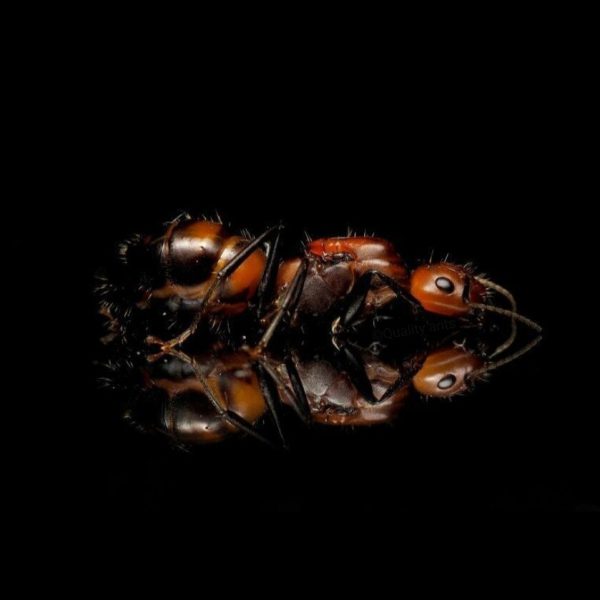
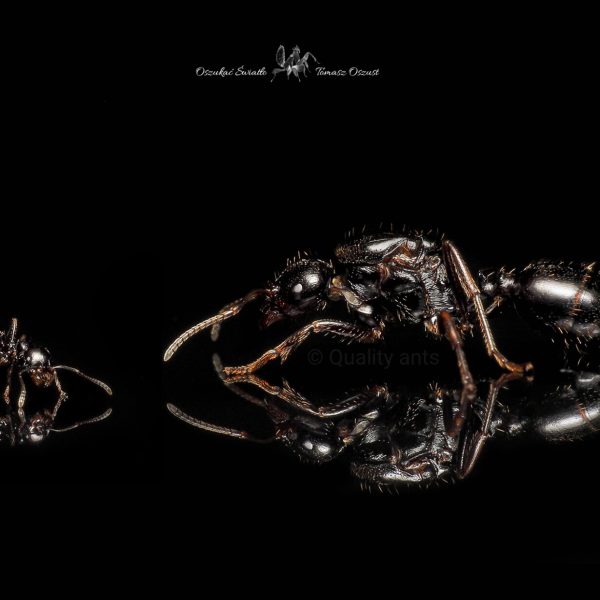
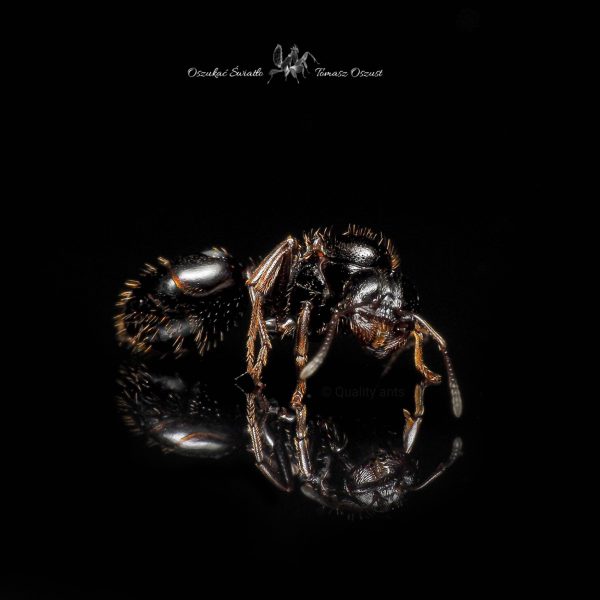
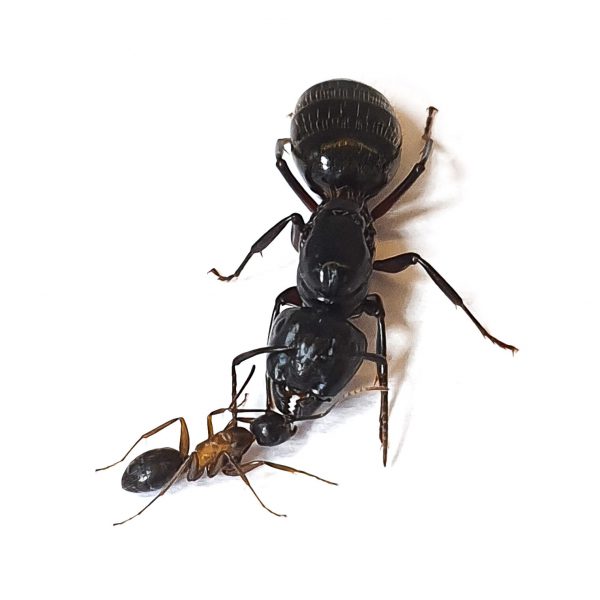
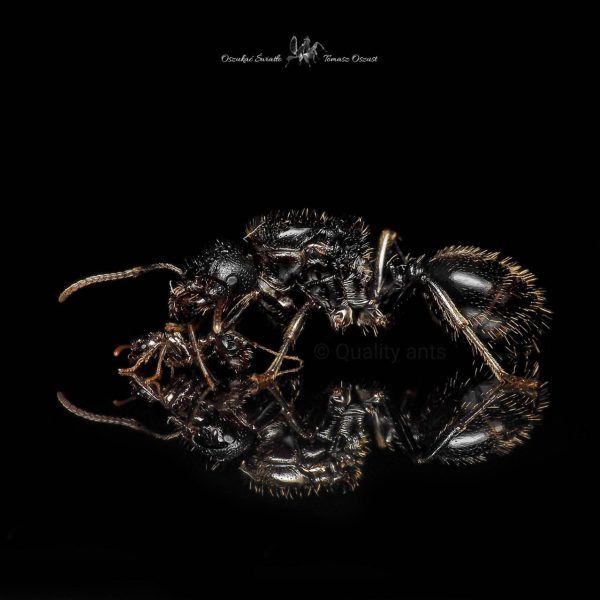
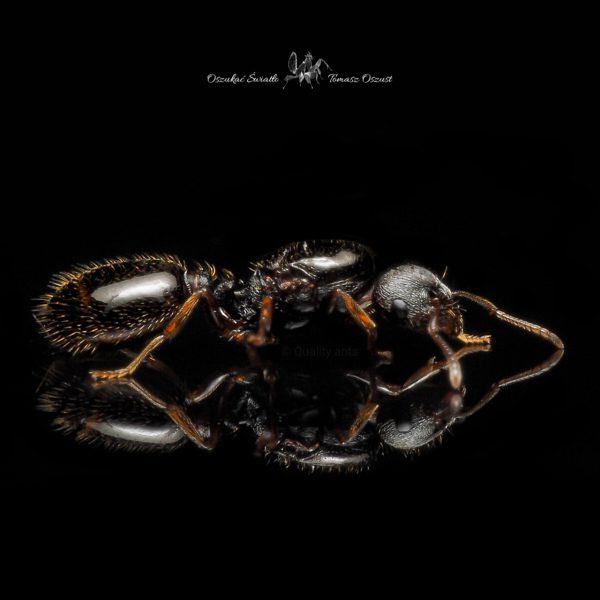
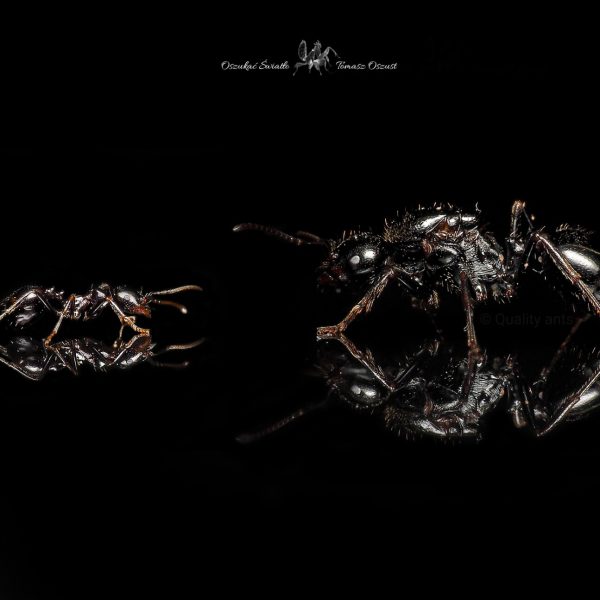
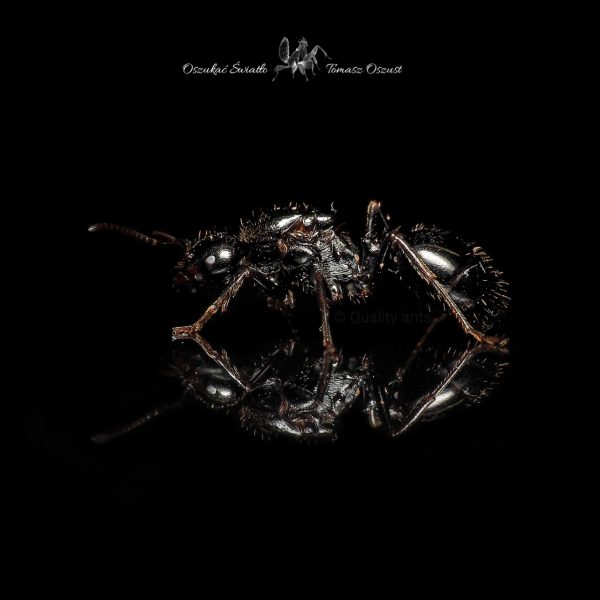
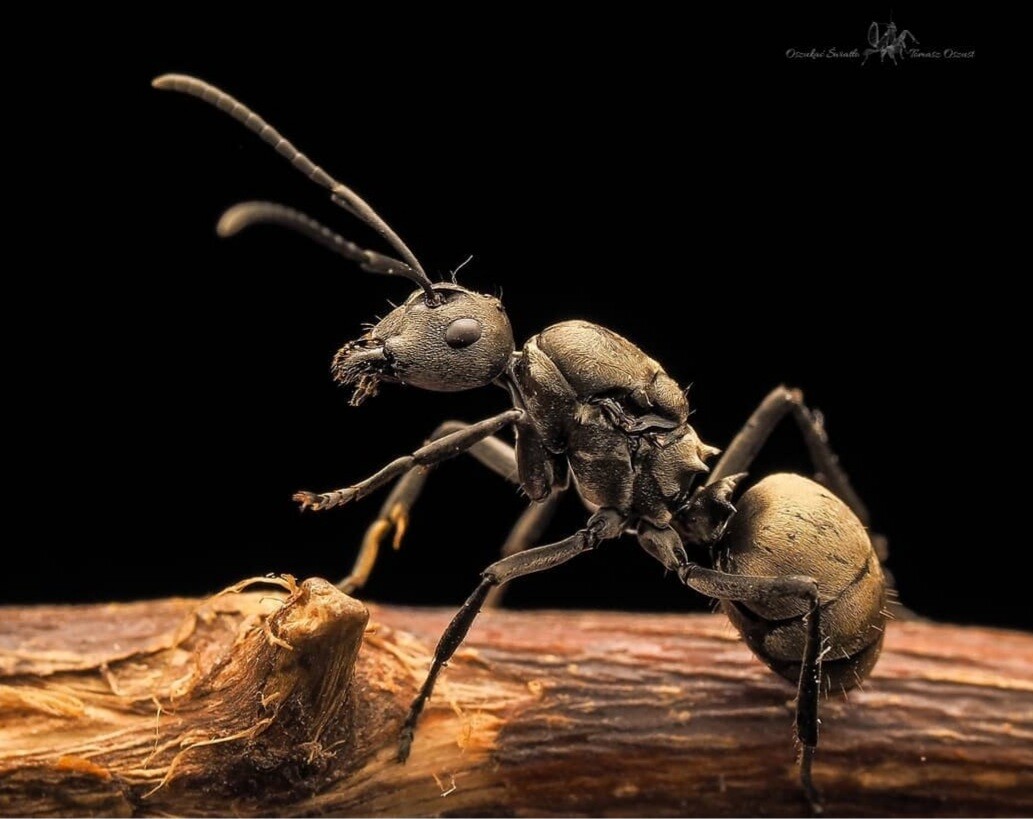
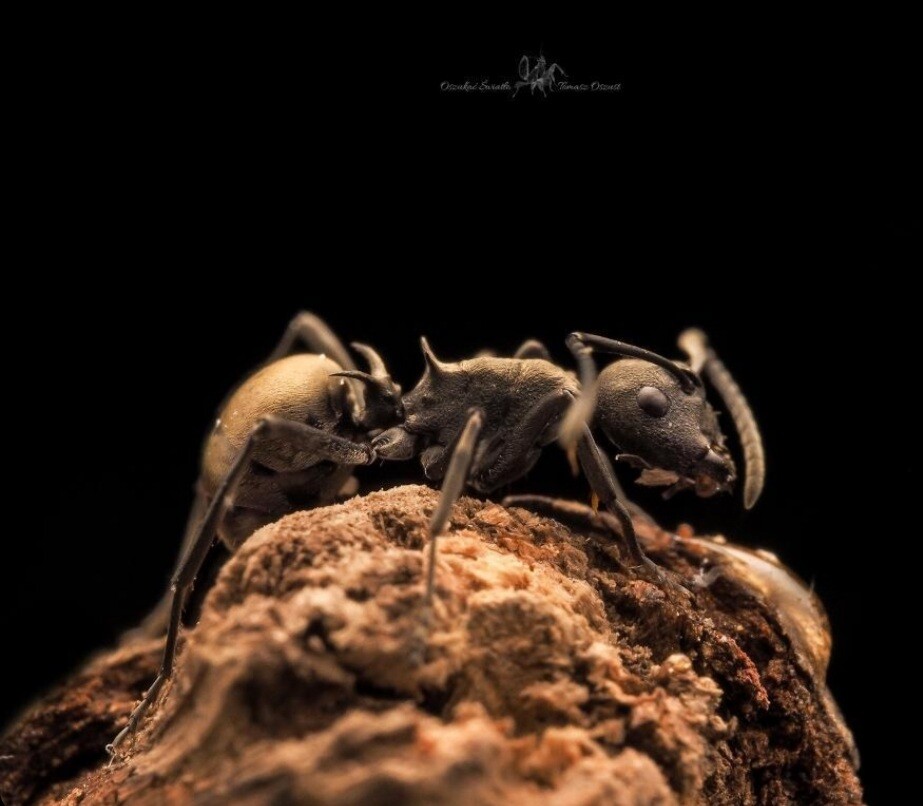
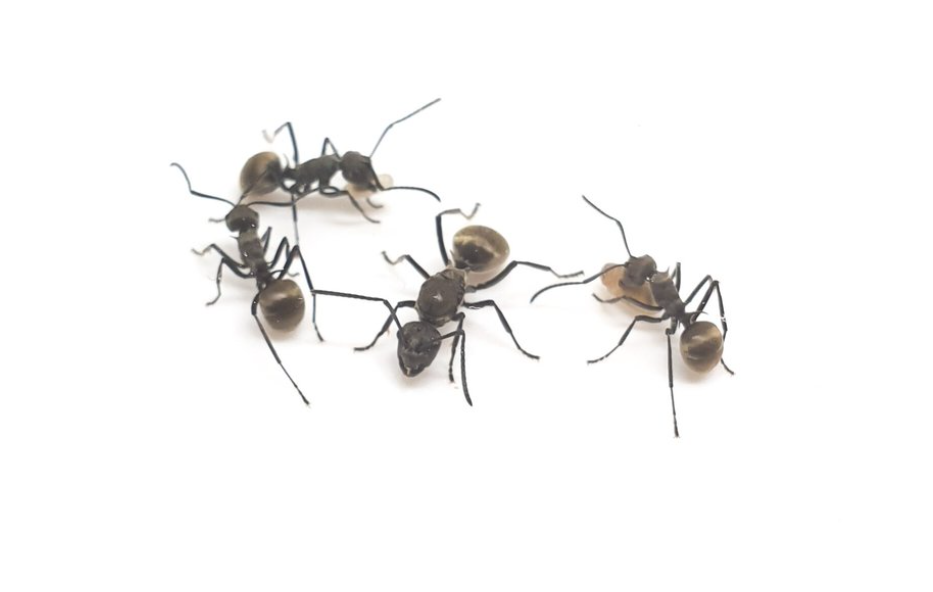
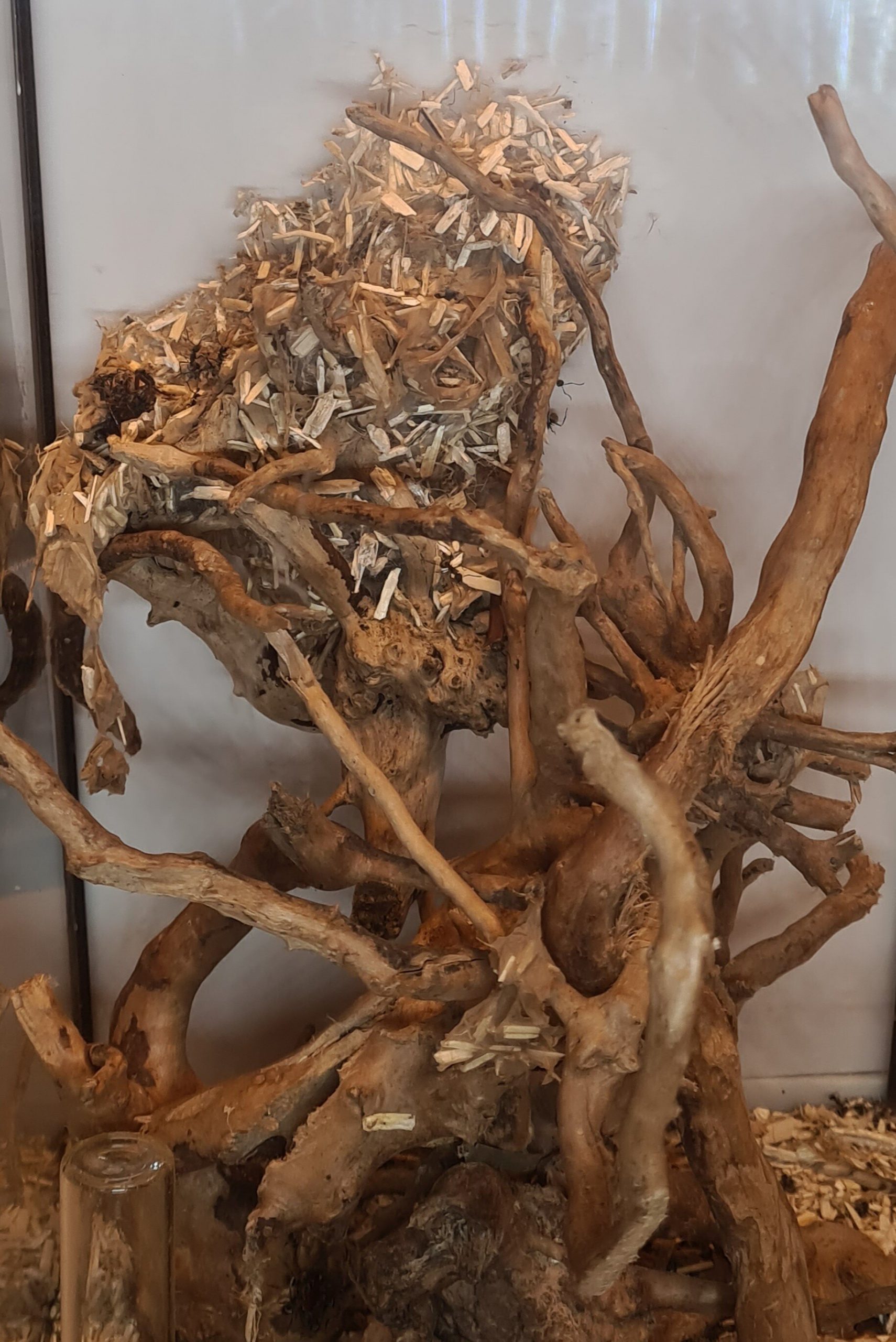
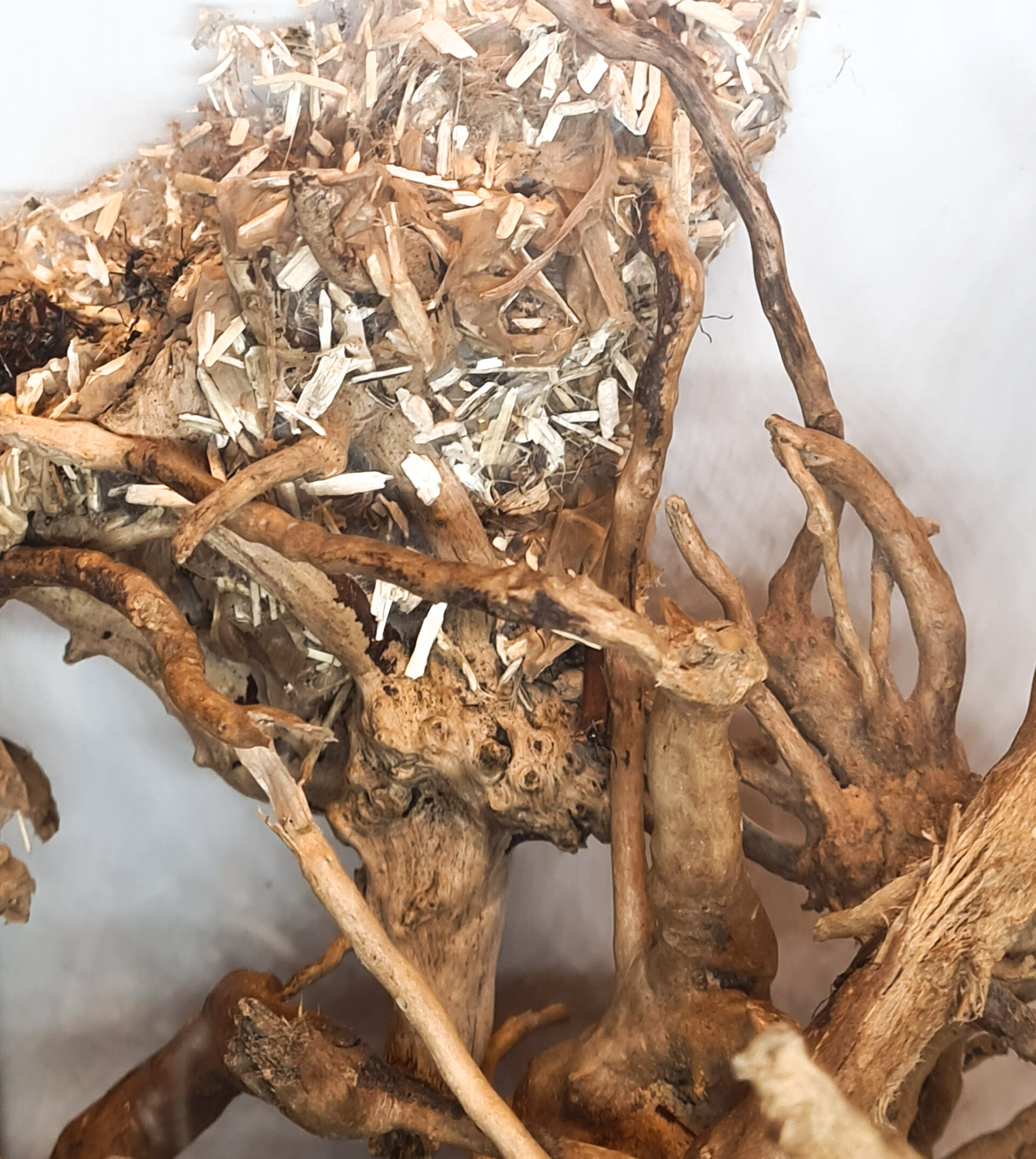
Polyrhachis dives, one of our favorite ant species. What makes this species special is that they weave their own nests. They do this in, among other things, a piece of spiderwood, a weaving ball, or in one of the other nest products we offer. The ants weave such a nest using hemp fibers, and the larvae—the larvae produce a special substance with which they can spin threads—eventually create an entire nest!
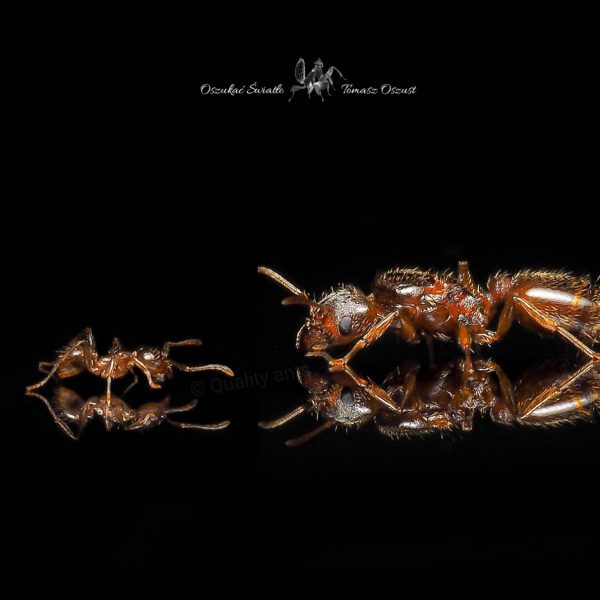
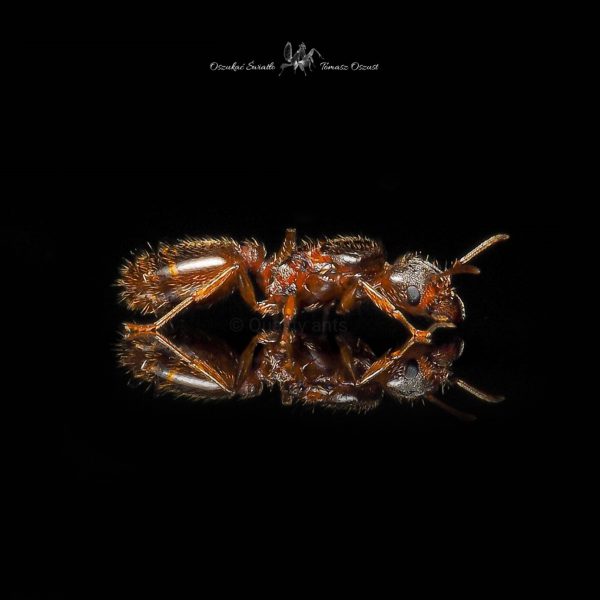
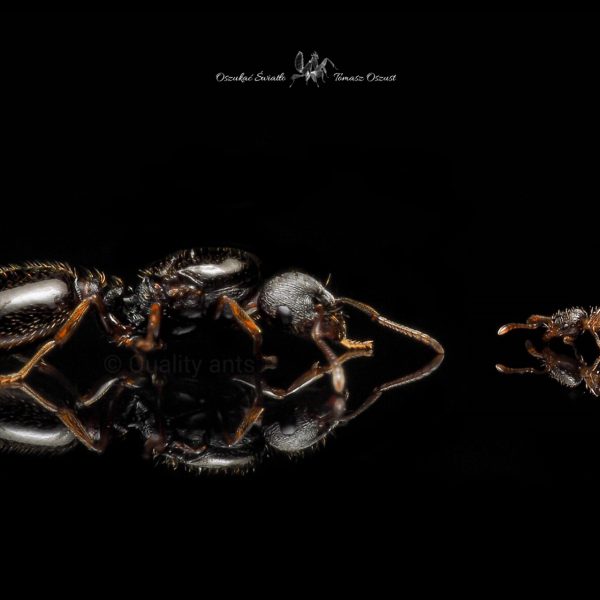
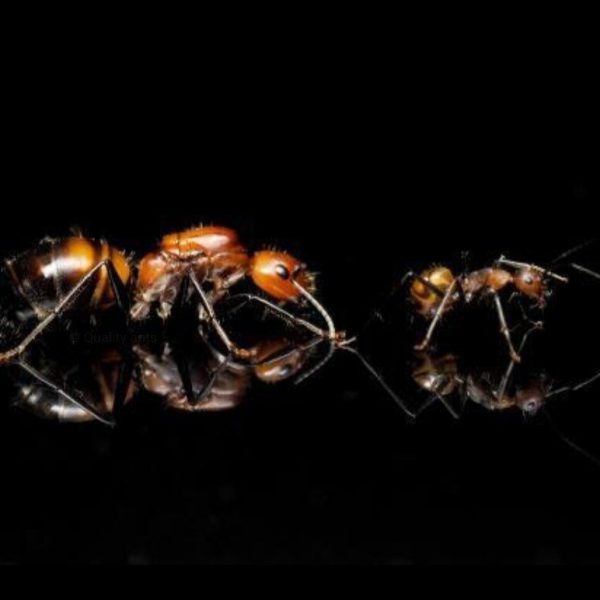
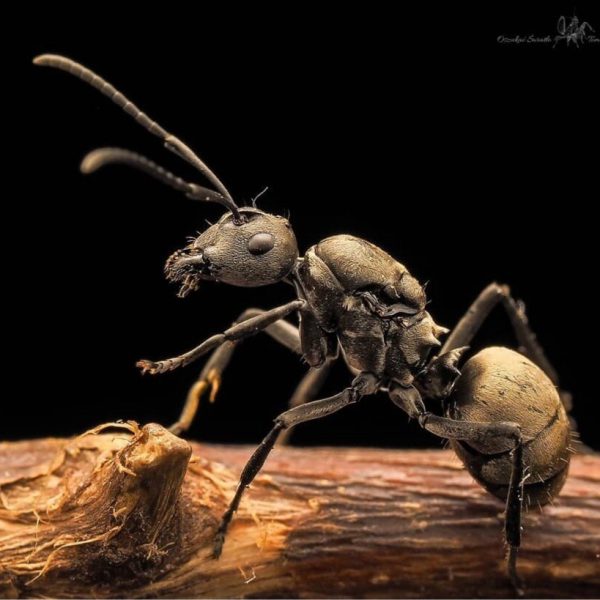
Specifications Scientific name: Polyrhachis dives Dutch name: False weaver ant Distribution area: Asia Ant color: Black with a gold and silvery sheen Difficulty level: 3/5 Queen size: 12-13 mm Worker size: 6-8 mm Soldier size: None Temperature: 25 to 30 degrees Optimal temperature: 27-29 degrees Nest humidity: 50 to 75% External humidity: 50 to 80% Hilf-dormancy: None Growth rate: 4/5 Reach number of workers: +- 2,000 Subfamily: Formicinae Organization: Claustral Colony formation: Polygyne (can have multiple queens per nest) Care:
Diet: Insects such as fruit flies, redrunners, crickets, mealworms, buffalo worms, dubia cockroaches. Sugars such as beetle jelly, byFormica sunburst and nectar, honeydew, etc. Food requirement: High. Number of workers to a nest: From +/- 150 to 200 workers, depending on the number of larvae and nest conditions. Recommended nest type:
Keep a small colony in the test tube that can be placed in the formicarium with a bottom of hemp fibers. When the colony is somewhat larger, they can move to a nest ball, or you can offer them a nest frame in which they weave a nest themselves, provided the colony is large enough for this.
Heat with a heat mat, heat cable, or heat lamp.
Nesting material
- Hemp fibers
- Spiderwood
- Weaving ball
- Bamboo weaving tower
- Scaffolding of bamboo poles