

Camponotus sylvaticus – Mediterrane reuzenmier
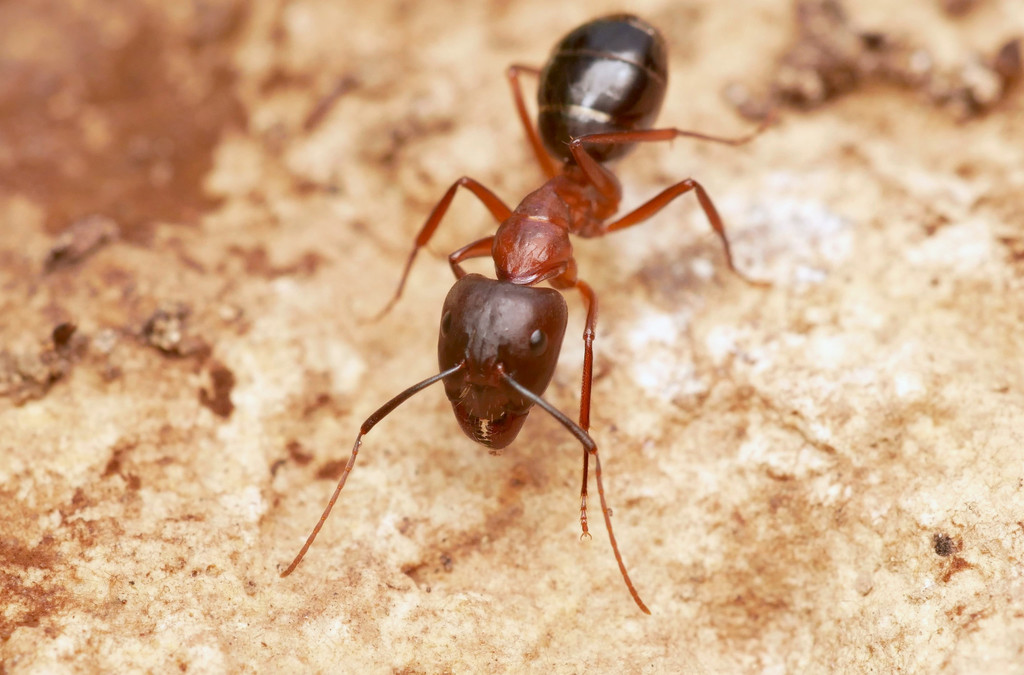
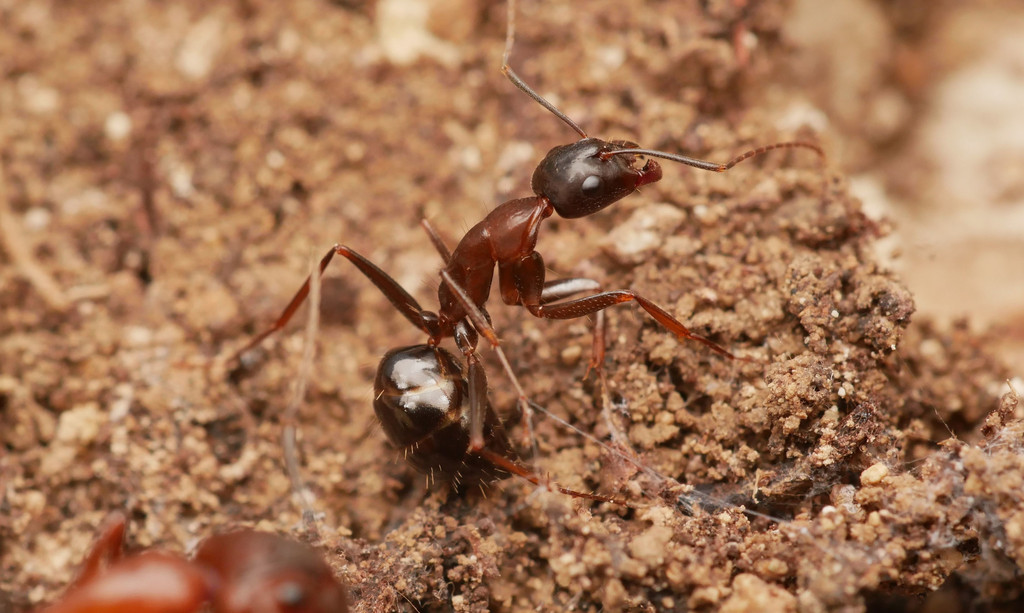
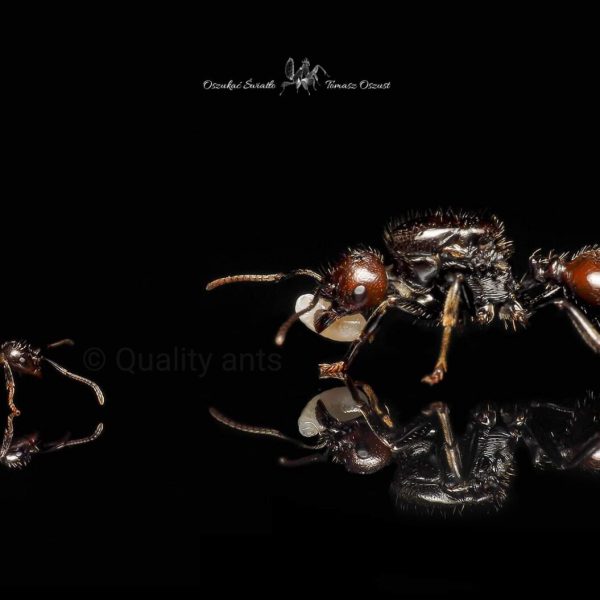
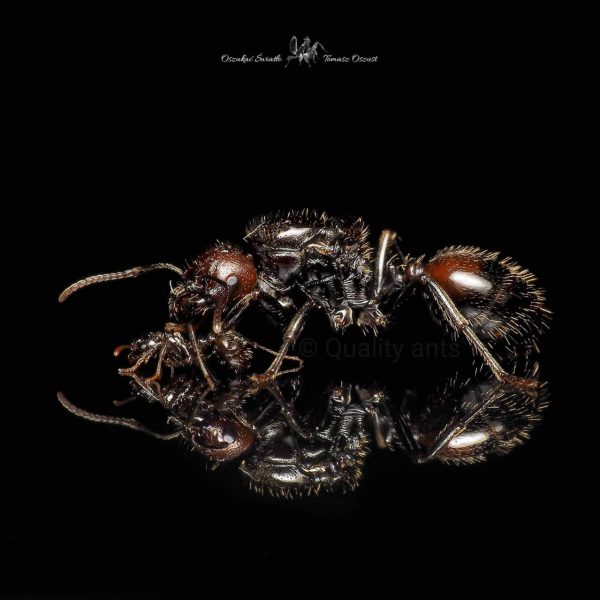
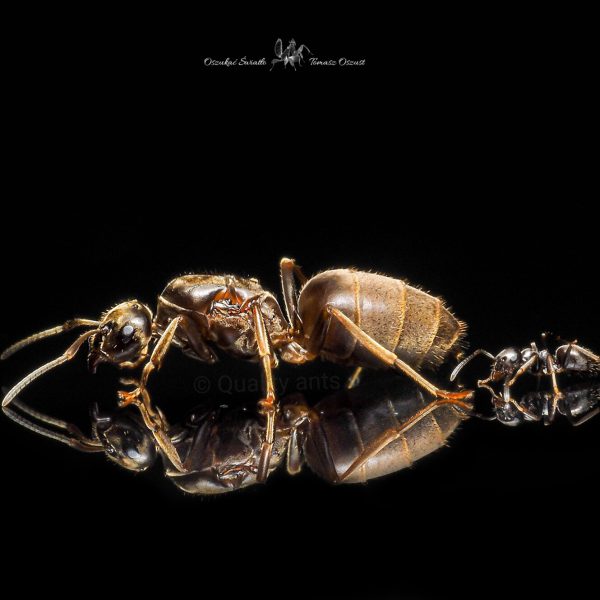
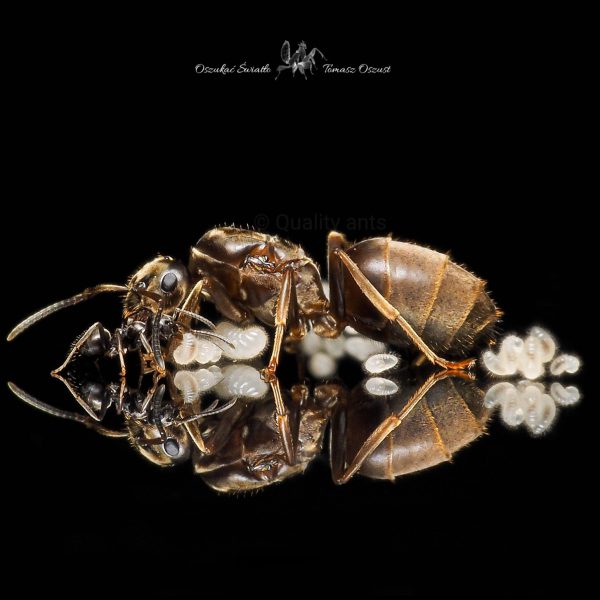
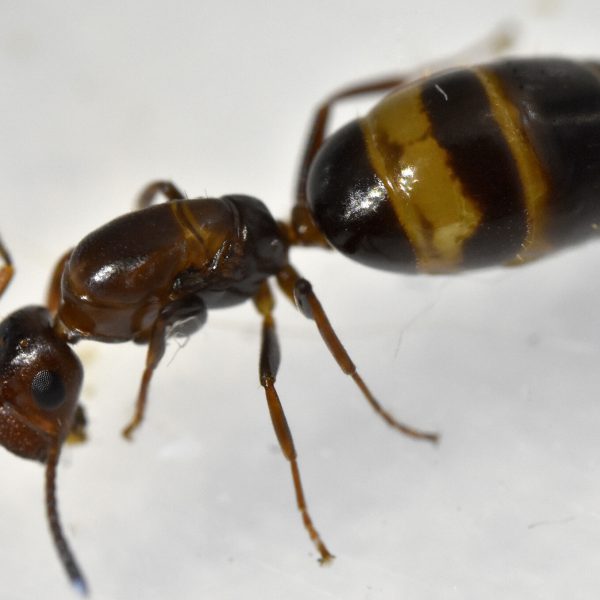
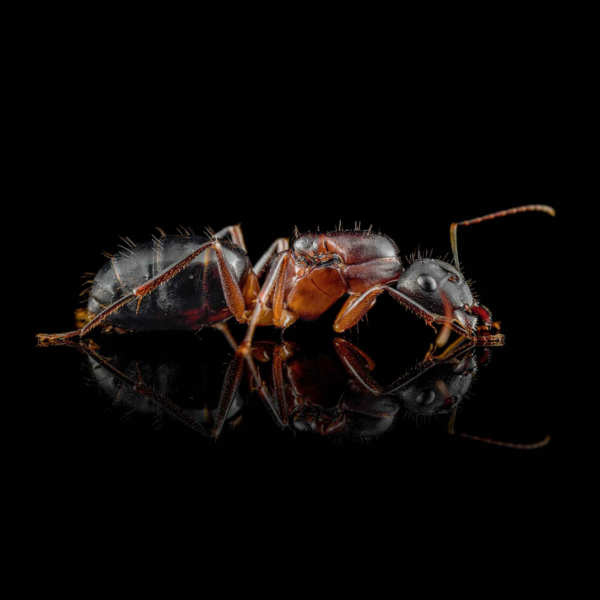
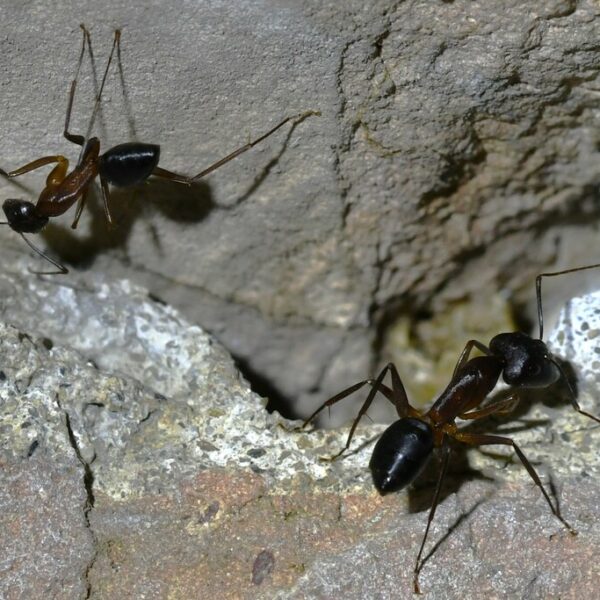
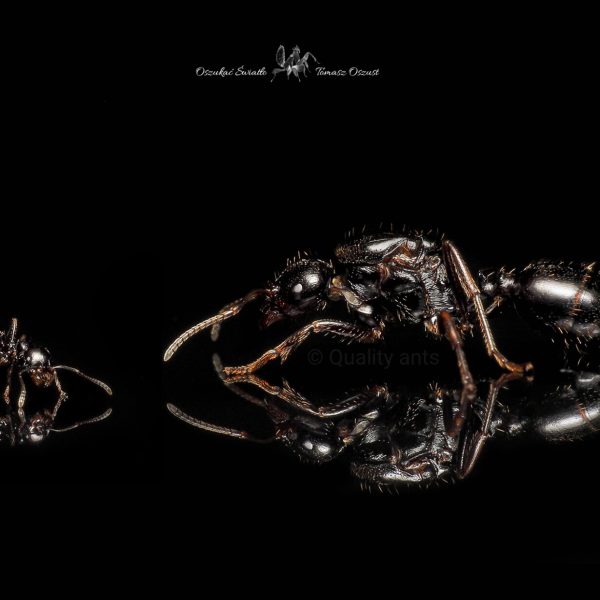
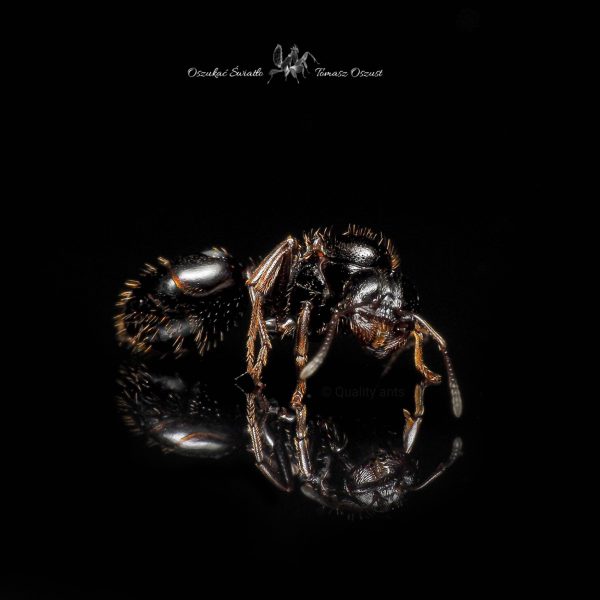
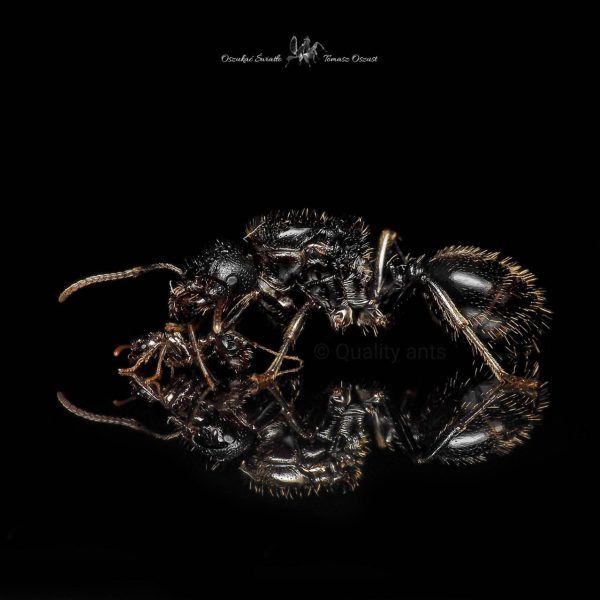
Camponotus sylvaticus is een indrukwekkende en relatief grote mierensoort uit het Middellandse Zeegebied. Deze soort staat bekend om haar rustige gedrag, duidelijke kasten (majors en minors) en prachtige kleurvariaties van zwart tot roodachtig.
In de natuur leeft Camponotus sylvaticus voornamelijk in warme, droge gebieden zoals bossen, struikgebieden en rotsachtige landschappen in Zuid-Europa. Ze nestelen vaak in dood hout, onder stenen of in de bodem. Werksters zijn minder hectisch dan veel andere soorten, maar laten wel mooi en doelgericht foerageergedrag zien.
Door hun formaat, overzichtelijke tempo en duidelijke structuur binnen de kolonie is deze soort zeer geschikt voor zowel beginners als gevorderde mierenhouders die een “klassieke” en goed observeerbare mierensoort zoeken.
Specificaties
Wetenschappelijke naam: Camponotus sylvaticus
Nederlandse benaming: Mediterrane reuzenmier
Verspreidingsgebied: Zuid-Europa (Spanje, Frankrijk, Portugal)
Kleur van de mier: Zwart tot zwart met roodachtige tinten
Moeilijkheidsgraad: 2 / 5
Afmeting koningin: 14 – 17 mm
Afmeting werkster: 5 – 9 mm
Afmeting soldaat (majors): 10 – 14 mm
Temperatuur: 20 – 28°C
Optimale temperatuur: 24 – 26°C
Winterrust: Ja, ongeveer november t/m februari rond 10 – 15°C
Groeisnelheid: Langzaam tot gemiddeld
Maximale leeftijd koningin: 15 – 20 jaar
Maximale leeftijd werksters: 1 – 3 jaar
Uitgroeien tot aantal werksters: +- 2.000 – 5.000 werksters
Onderfamilie: Formicinae
Stichting: Claustral (koningin start zelfstandig zonder voeding)
Kolonie vorming: Monogyne (1 koningin per nest)
Voeding
Camponotus sylvaticus is een omnivore mierensoort die zowel eiwitten als suikers nodig heeft.
Voeding: insecten zoals redrunners, krekels, meelwormen, buffalowormen en dubia’s.
Suikers: zoals Byformica sunburst ant nectar, honingdauw en suikerwater.
Eiwitten zijn vooral belangrijk voor de ontwikkeling van larven, terwijl suikers zorgen voor energie bij de werksters.
Verzorging
Deze soort houdt van een droog tot licht vochtig nest met een warme omgeving. Omdat het een grotere mierensoort is, hebben ze iets meer ruimte nodig dan kleinere soorten.
Camponotus sylvaticus is over het algemeen rustiger dan veel andere mieren, maar laat wel duidelijk en interessant gedrag zien in de arena.
Vanaf hoeveel werksters naar een nest: +- 30 werksters
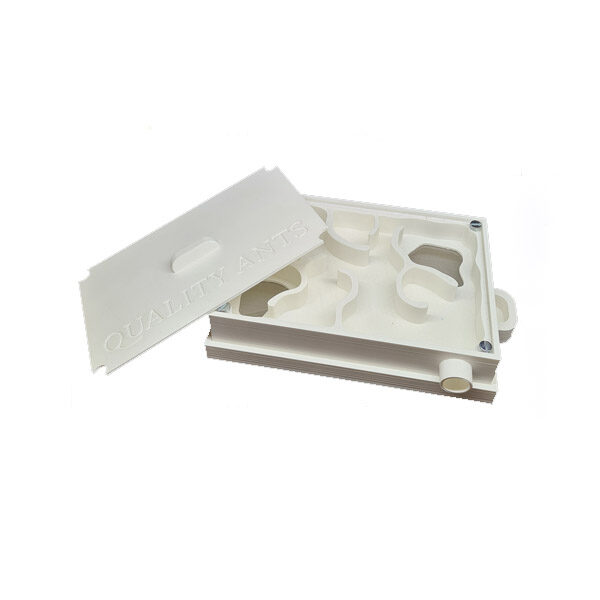
Aanbevolen nest type:
Ytong nest, 3D nest, acryl nest, gipsnest
Zorg voor een lichte vochtzone zodat de kolonie zelf de juiste plek kan kiezen voor het broed.
✅ Waarom kiezen voor Camponotus sylvaticus
• Grote en indrukwekkende mierensoort
• Duidelijke majors (soldaten) aanwezig
• Rustig en goed observeerbaar gedrag
• Geschikt voor beginners en gevorderden
• Mooie kleurvariatie en kolonie structuur


Beoordelingen
Er zijn nog geen beoordelingen.