check-solid-white-15px

FREE shipping from €75 within NL & from €100 within BE & DE

Shipping Mon - Thurs

FREE products from € 35

check-solid-white-15px

FREE shipping from €75 within 🇳🇱 & from €100 within 🇧🇪 & 🇩🇪 | FREE products from €35

More results..

Generic selectors
Exact matches only
Search in title
Search in content
Post Type Selectors

Polyrhachis dives

Please note: this species is difficult to import from its country of origin, meaning they often don't survive the journey. Our supply is therefore very limited.

Information about the species
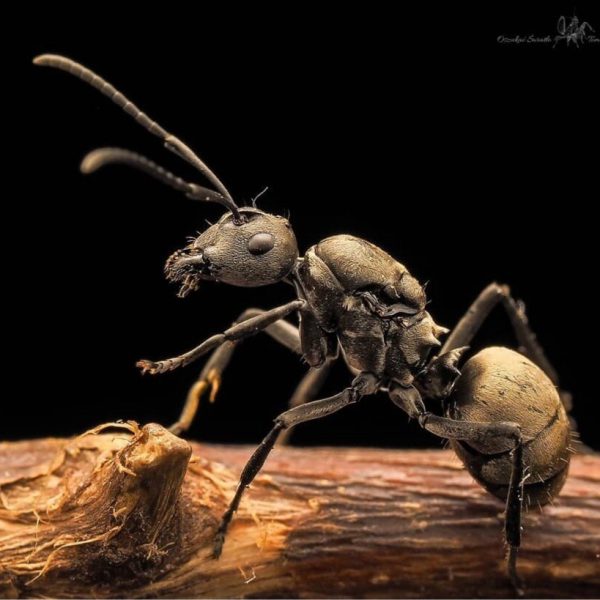
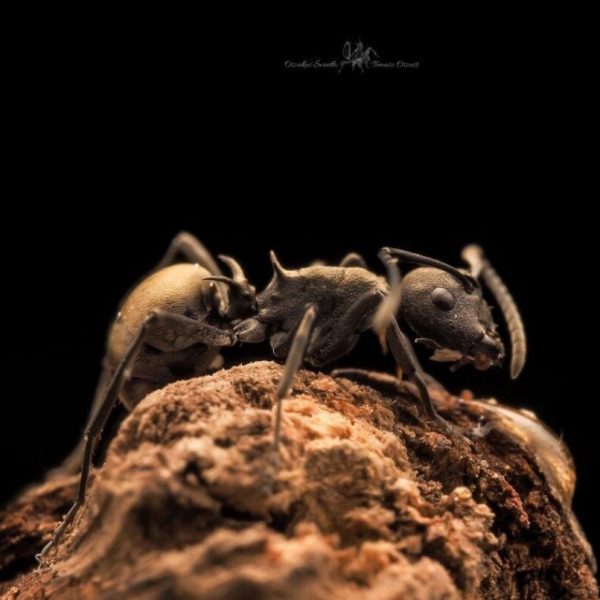
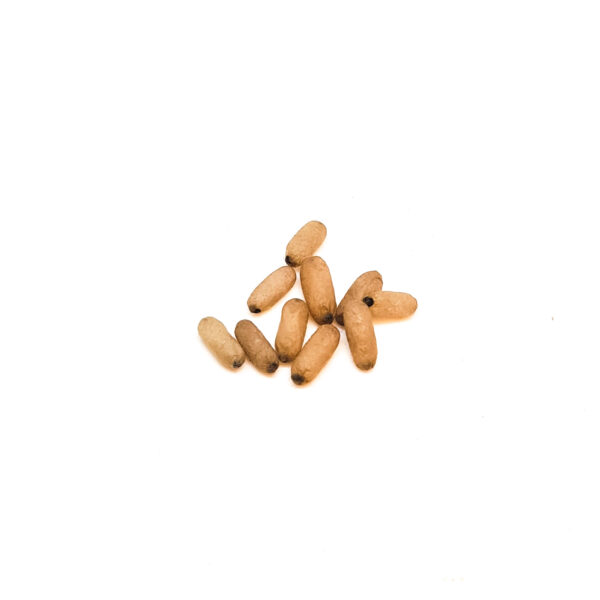
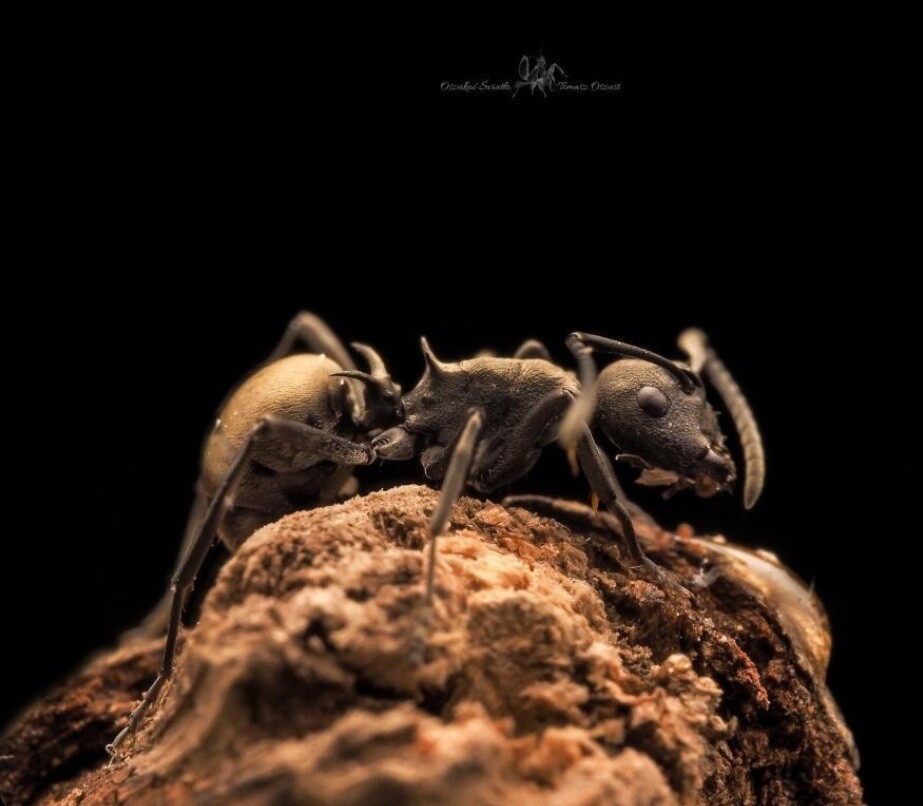
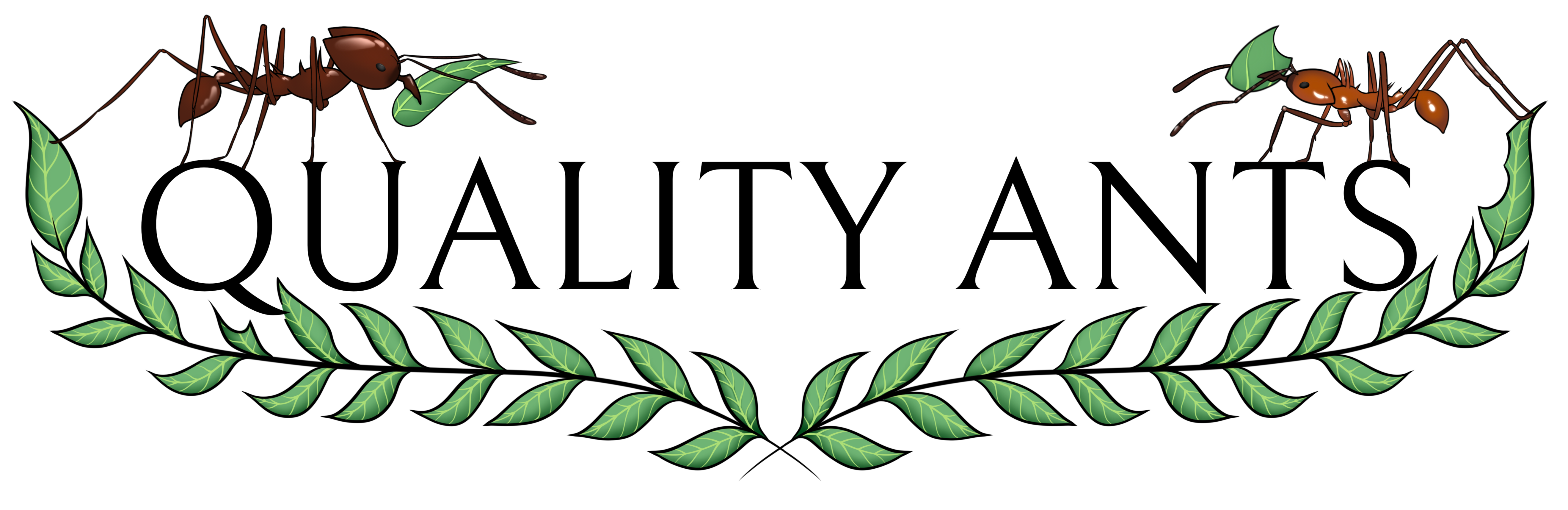
Polyrhachis dives, one of our favorite ant species. What makes this species special is that they weave their own nests. They do this in, among other things, a piece of spiderwood, a weaving ball, or in one of the other nest products we offer. The ants weave such a nest using hemp fibers, and the larvae—the larvae produce a special substance with which they can spin threads—eventually create an entire nest!

Specifications:
Scientific name: Polyrhachis dives
Dutch name: False weaver ant
Distribution area: Asia
Ant color: black with a gold and silvery sheen
Difficulty level: 3/5
Queen size: 12-13 mm
Worker size: 6-8 mm
Soldier size: none
Temperature: 25 to 30 degrees
Optimal temperature: 27-29 degrees
Nest humidity: 50 to 75%
Outside world humidity: 50 to 80%
Hilf-dormancy: none
Growth rate: 4/5
Reach number of workers: +- 2,000
Subfamily: Formicinae
Organization: cloister
Colony formation: polygynous (can have multiple queens per nest)

Care:
Diet:
insects such as fruit flies, redrunners, crickets, mealworms, buffalo worms, dubia cockroaches. Sugars such as beetle jelly, byFormica sunburst ant nectar, honeydew, etc.
Food requirements: high.
Number of workers to a nest: from +/- 150 to 200 workers, depending on the number of larvae and nest conditions.
Recommended nest type:
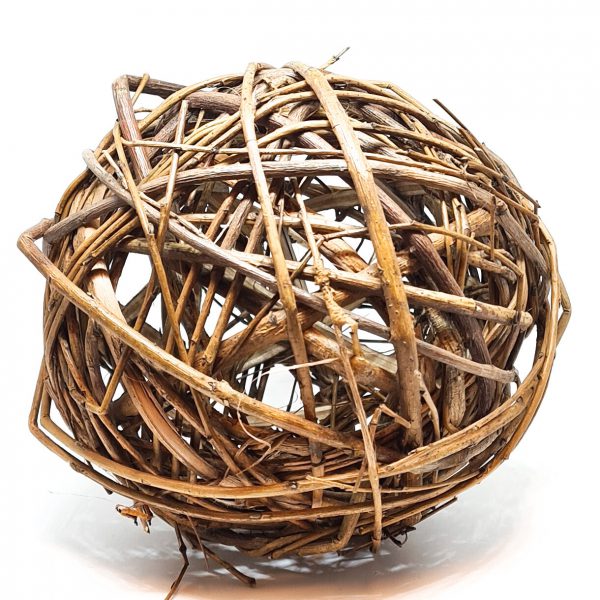
Keep a small colony in the test tube that can be placed in the formicarium with a bottom of hemp fibers. When the colony is somewhat larger, they can move to a nest ball, or you can offer them a nest structure in which they weave a nest themselves, provided the colony is large enough for this.
Heat with a heating mat, heating cable, or heat lamp.
Nesting material

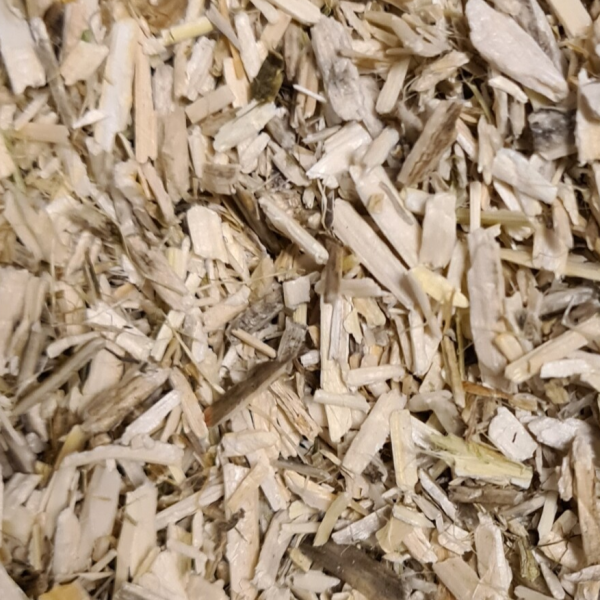
  1. Hemp fibers
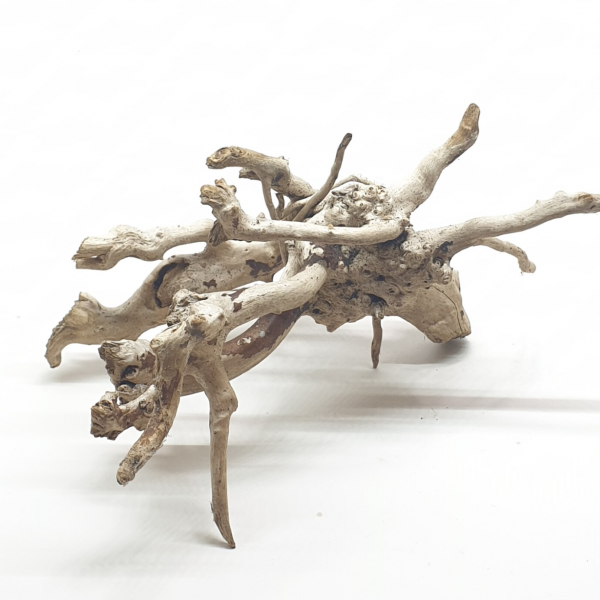
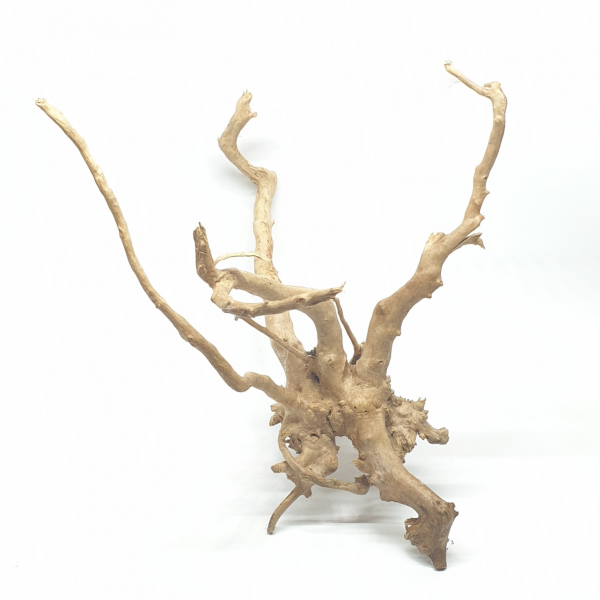
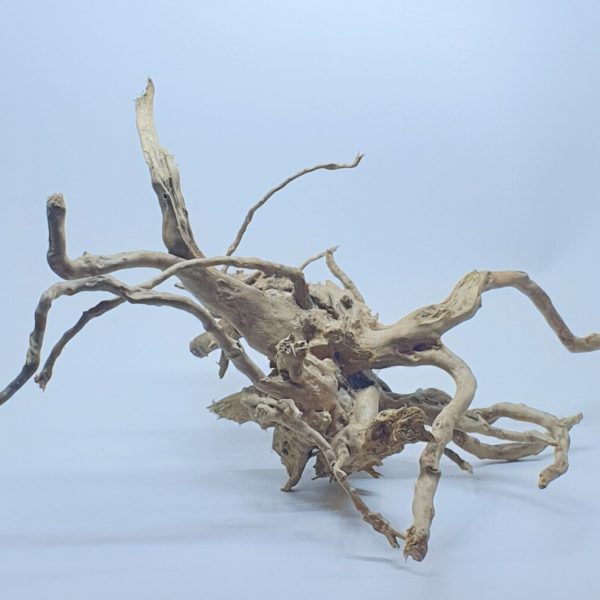
  2. Spiderwood
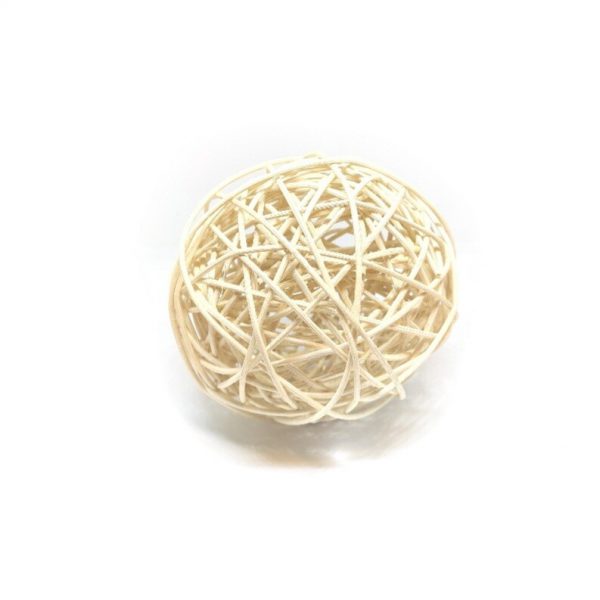
  3. Weaving ball
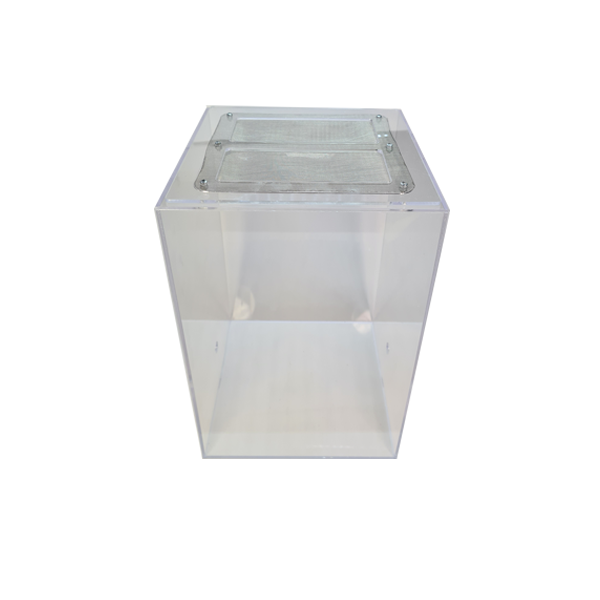
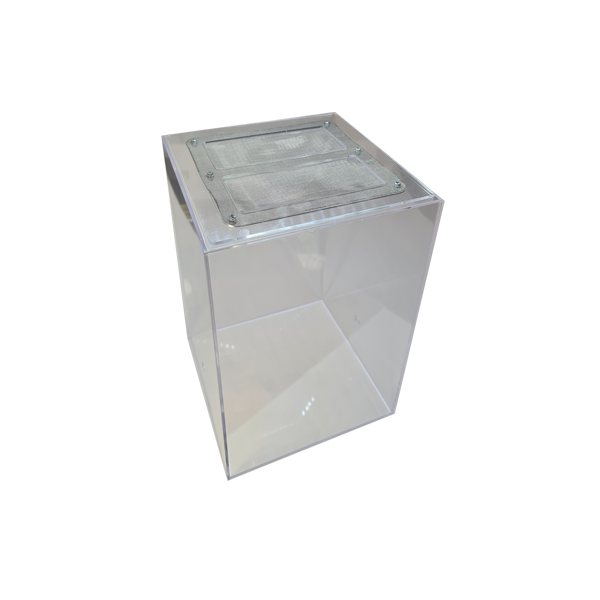
  4. Bamboo weaving tower
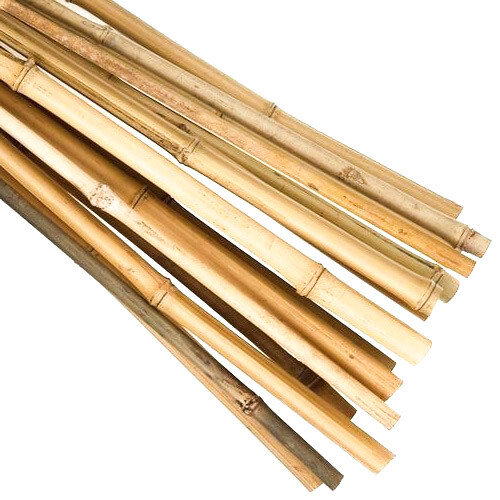
  5. Scaffolding of bamboo poles

Difficulty level

3 / 5

Growth rate

4 / 5
Would you like to stay informed about out-of-stock products and/or ant colonies?

Which ant species would you like to have in our range?

Buy Polyrhachis dives

Buying Polyrhachis dives isn't easy. This ant species is often in limited supply. They're difficult to import, simply because the ants often can't survive the long journey. 

The queen can reach a length of between 12 and 13 millimeters

Looking at the queen, we see that she can reach a length of between 12 and 13 millimeters. The workers stay between 6 and 8 millimeters. Ideally, you keep the ants at a temperature between 25 and 28 degrees Celsius, and if you want to make them feel completely at home, make sure it's 27 or 28 degrees Celsius.

Keep the ants in a test tube with hemp fibers at the bottom if the colony is small

Buying Polyrhachis dives means keeping them preferably in a test tube with hemp fibers at the bottom. At least, that's the case if you have a small colony. For a larger colony, a glass formicarium with spiderwood is ideal. There are no surprises when it comes to food if you decide to buy Polyrhachis dives. These ants will also be very happy with insects, sugar water, and honeydew, to name just a few.

The ant is perfectly capable of weaving its own nest

What's truly special about buying Polyrhachis dives is that you're buying an ant capable of weaving its own nest. The ant larvae are capable of producing a special substance, which they use to weave their own nest. As mentioned, a colony needs a tall formicarium, covering the floor with hemp fibers and stacked spiderwood. This way, even a large colony can weave its own nest there.

Buy Polyrhachis dives: you will own a beautiful and unique ant colony!

When it comes to ants, you have quite a few options. How about buying the Temnothorax sp, for example, a very small ant? If you choose Polyrhachis dives, you're choosing a large ant.

More results..

Generic selectors
Exact matches only
Search in title
Search in content
Post Type Selectors
Shopping cart

Sign in

No account yet?