

Messor aciculatus – Oosterse oogstmier
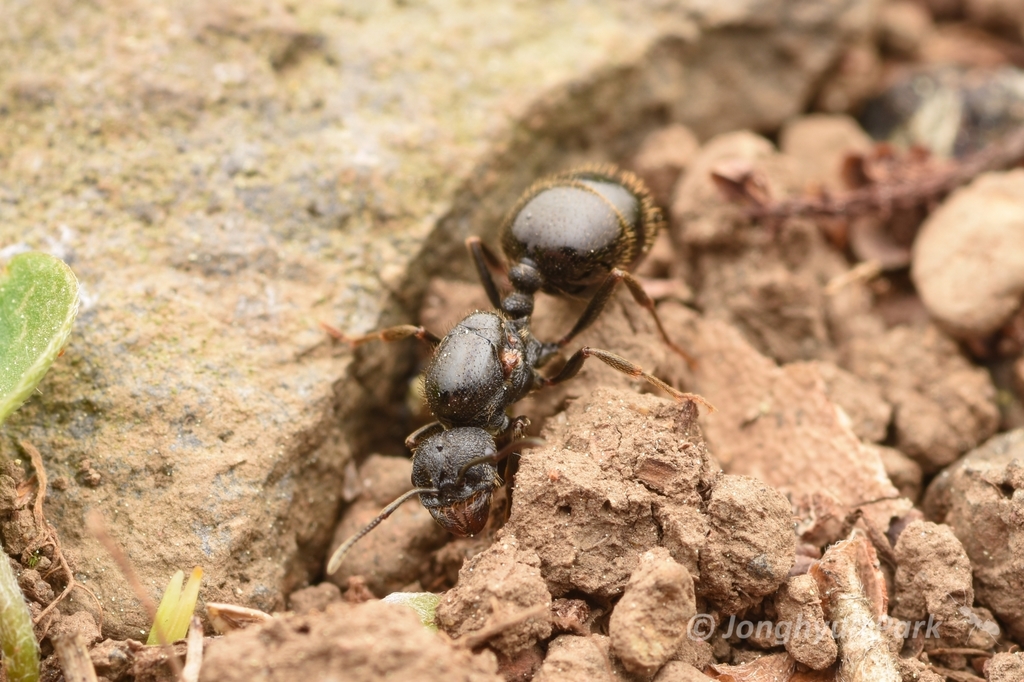
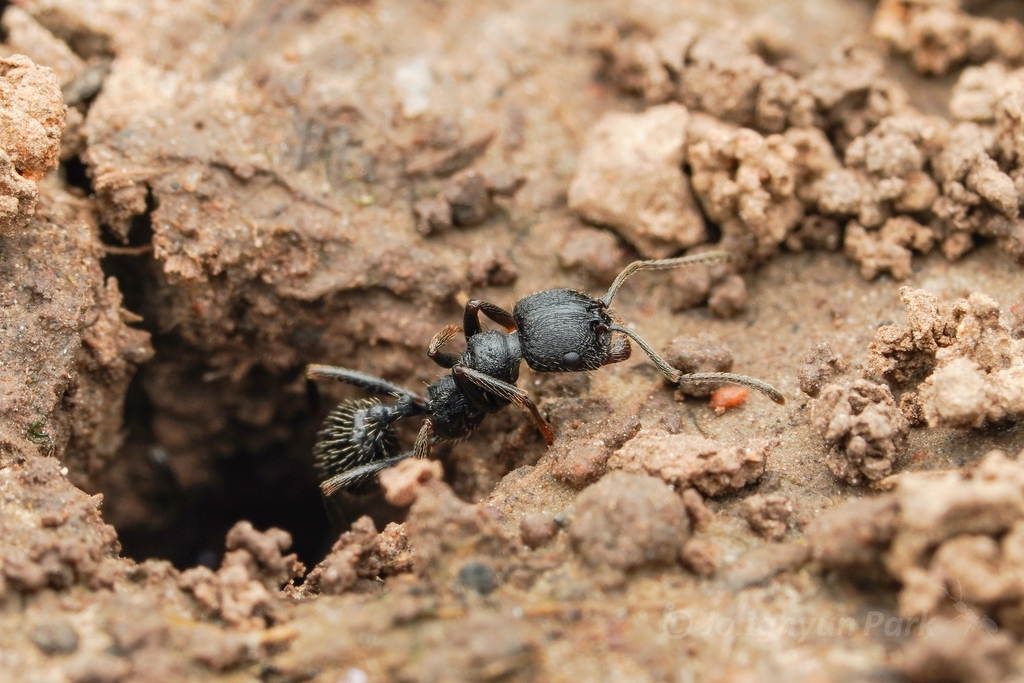
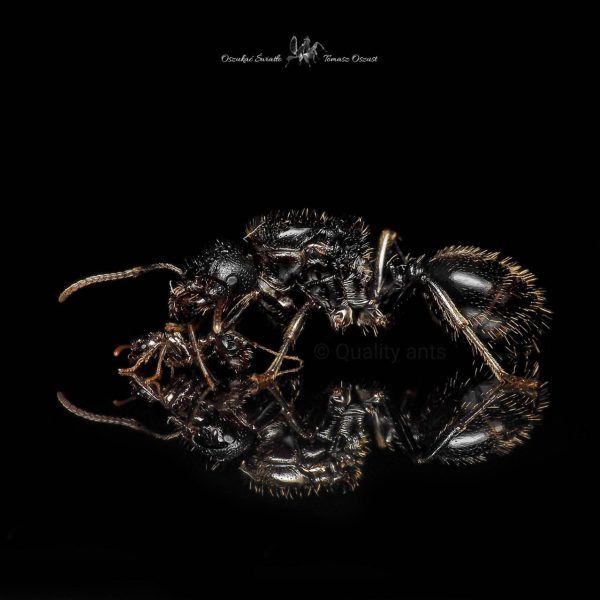
Messor aciculatus is een rustige en interessante oogstmier afkomstig uit Azië. Deze soort staat bekend om haar sterke voorkeur voor zaden en haar georganiseerde foerageergedrag. In tegenstelling tot veel andere mierensoorten verzamelen werksters grote hoeveelheden zaden die in het nest worden opgeslagen en verwerkt tot voedsel voor de kolonie.
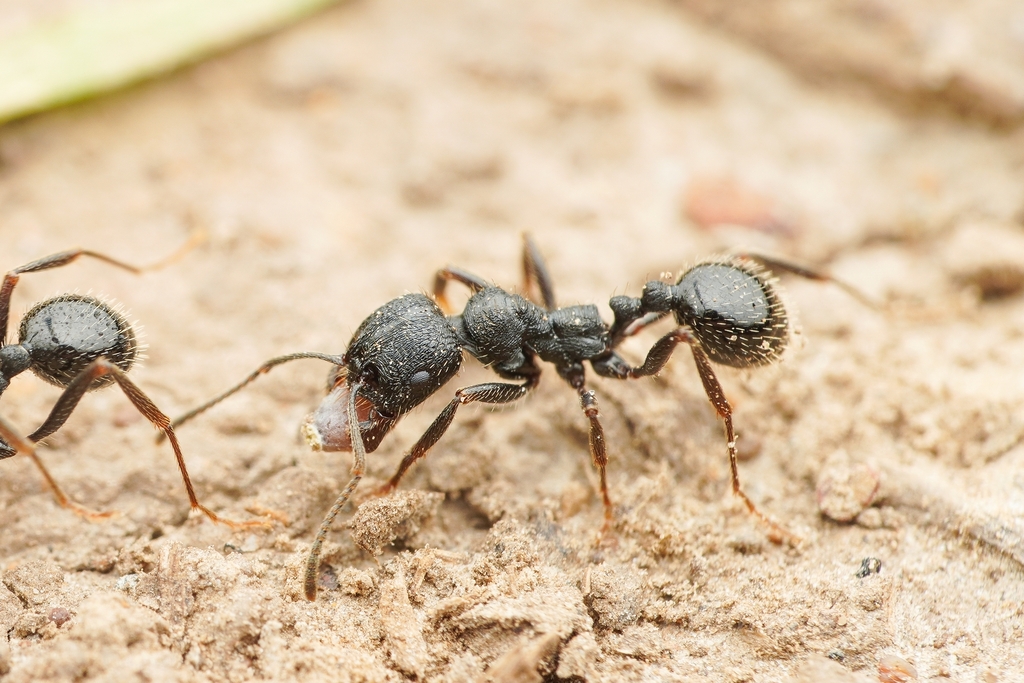
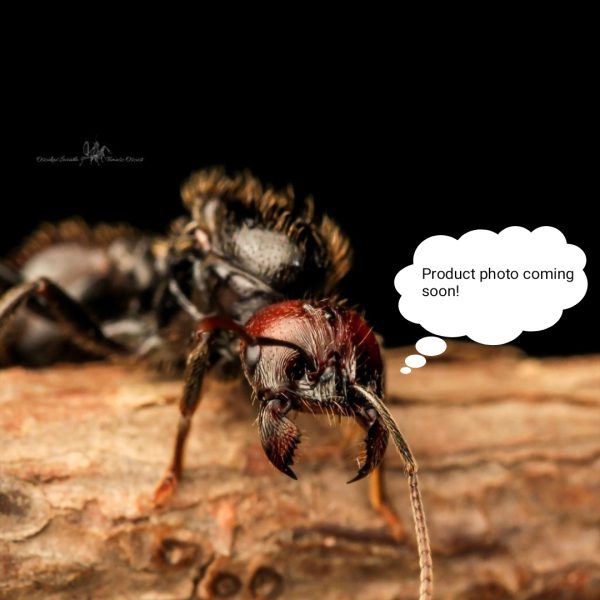
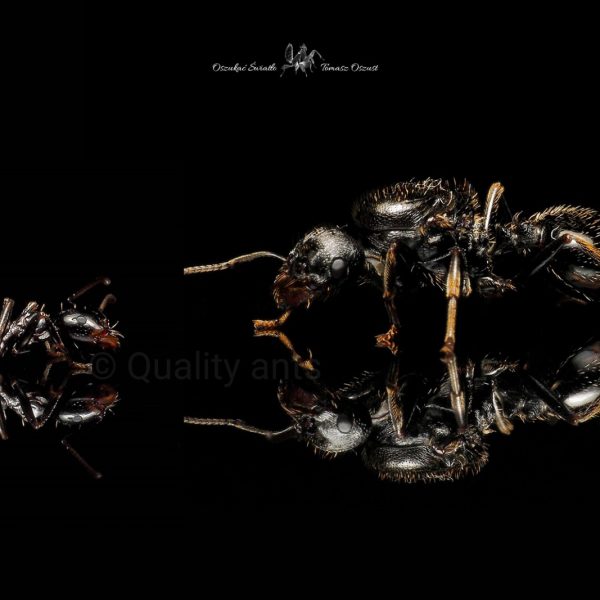
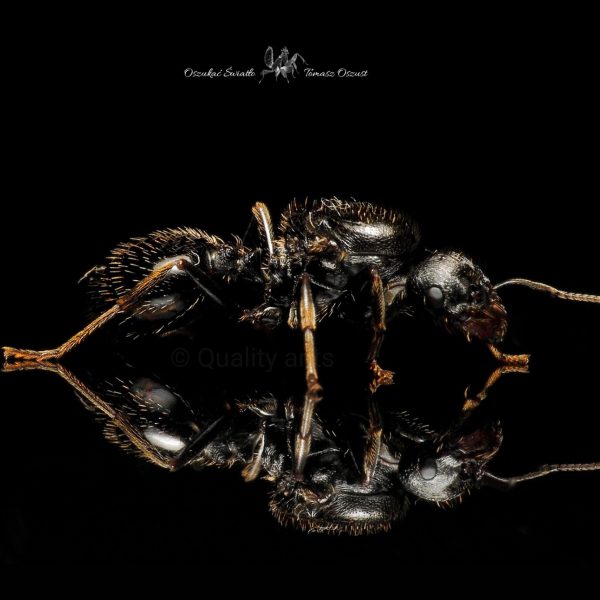
In de natuur leeft Messor aciculatus voornamelijk in droge tot licht vochtige graslanden en open gebieden. Werksters zijn vaak actief in de arena en verzamelen doelgericht voedsel. Naarmate de kolonie groeit ontstaan er duidelijke verschillen tussen kleinere werksters en grotere majors met krachtige kaken, die helpen bij het kraken van zaden.
Door hun interessante gedrag, rustige karakter en duidelijke taakverdeling binnen de kolonie is deze soort erg populair onder mierenhouders. De kolonie groeit in een gemiddeld tempo en is geschikt voor zowel beginners als gevorderden.
Specificaties
Wetenschappelijke naam: Messor aciculatus
Nederlandse benaming: Oosterse oogstmier
Verspreidingsgebied: Azië (onder andere China, Korea en Japan)
Kleur van de mier: Donkerbruin tot zwart
Moeilijkheidsgraad: 2 / 5
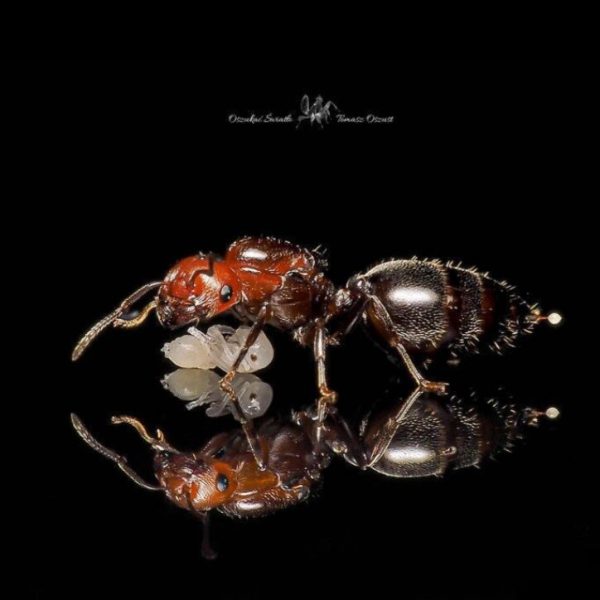
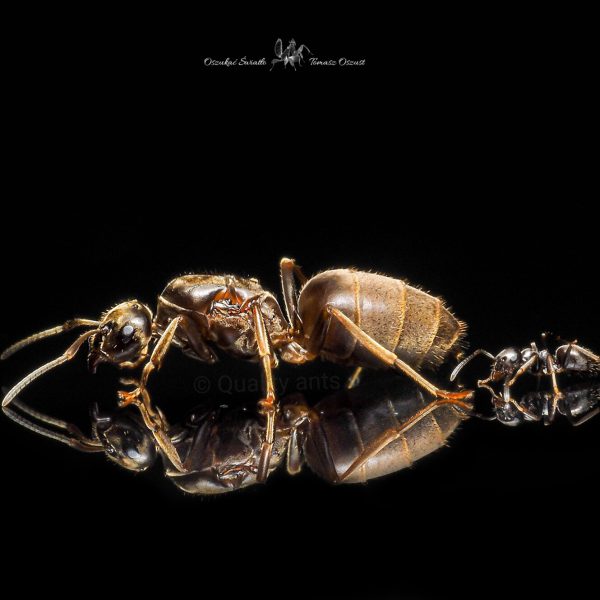
Afmeting koningin: 11 – 13 mm
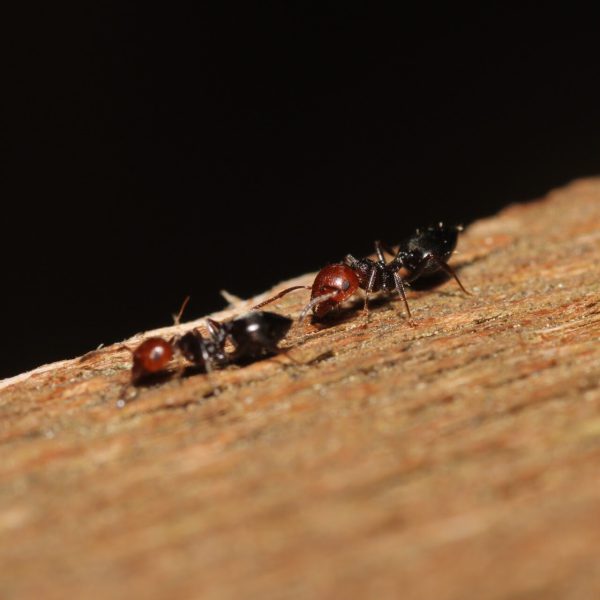
Afmeting werkster: 3 – 7 mm
Afmeting soldaat (majors): 6 – 8 mm, aanwezig met grotere kop en sterke kaken
Temperatuur: 22 – 28°C
Optimale temperatuur: 24 – 26°C
Winterrust: Ja, een lichte winterrust van ongeveer november t/m februari rond 10 – 15°C wordt aanbevolen
Groeisnelheid: Gemiddeld
Maximale leeftijd koningin: ongeveer 10 – 15 jaar
Maximale leeftijd werksters: 1 – 3 jaar
Uitgroeien tot aantal werksters: +- 3.000 – 8.000 werksters
Onderfamilie: Myrmicinae
Stichting: Claustral (koningin start zelfstandig zonder voeding)
Kolonie vorming: Monogyne (1 koningin per nest)
Voeding
Messor aciculatus is voornamelijk een zaadetende mierensoort.
Zaden: Messor zadenmix.
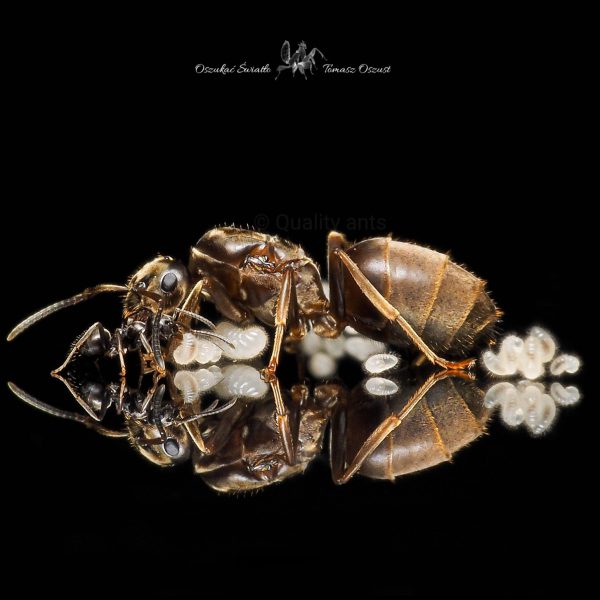
Eiwitten: Insecten zoals Redrunners, Dubia’s of meelwormen voor een goede ontwikkeling van het broed.
Suikers: Worden soms geaccepteerd, bijvoorbeeld suikerwater of Byformica sunburst, maar zaden en insecten vormen de belangrijkste voedselbron.
Werksters verwerken zaden tot een voedzame massa waarmee de larven gevoed worden.
Verzorging
Deze soort houdt van een droog nest met een kleine vochtige zone voor het broed. Te vochtige omstandigheden moeten worden vermeden omdat opgeslagen zaden kunnen ontkiemen of schimmelen.
Messor aciculatus is over het algemeen een rustige soort die goed zichtbaar is in de arena.
Vanaf hoeveel werksters naar een nest: +- 30 – 50 werksters
Aanbevolen nest type:
Statersnest, Ytong nest, 3D nest, acryl nest, zand formicarium
Een zand/leem arena werkt goed voor natuurlijk foerageergedrag.
✅ Waarom kiezen voor Messor aciculatus
• Interessante zaadverzamelende mierensoort
• Duidelijke majors met sterke kaken
• Rustig en goed observeerbaar gedrag
• Mooie georganiseerde foerageerpaden
• Geschikt voor beginners en gevorderden



Beoordelingen
Er zijn nog geen beoordelingen.