Polyrhachis dives kopen
Ben je op zoek naar een spectaculaire tropische mierensoort met een unieke leefwijze? Dan is Polyrhachis dives een uitstekende keuze. Deze bijzondere Aziatische mierensoort staat bekend om haar indrukwekkende nesten van zijde, haar actieve werksters en haar glanzend zwarte lichaam met karakteristieke stekels. Dankzij haar afwijkende nestbouw en fascinerende sociale gedrag behoort Polyrhachis dives tot de meest bijzondere mierensoorten binnen de mierenhobby.
Bij Quality Ants kun je een gezonde Polyrhachis dives kolonie kopen. Iedere kolonie wordt zorgvuldig gecontroleerd voordat deze wordt verzonden en bestaat uit een gezonde koningin, vitaal broed en actieve werksters. Hierdoor kun je direct genieten van een sterke kolonie en de unieke ontwikkeling van deze tropische mierensoort volgen.
Waarom Polyrhachis dives kopen?
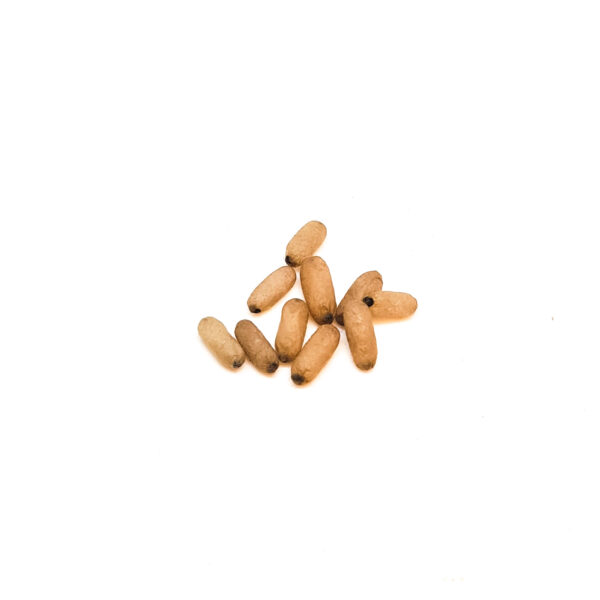
Polyrhachis dives onderscheidt zich van vrijwel alle andere mierensoorten doordat de werksters nesten bouwen met behulp van zijde die wordt geproduceerd door de larven. In de natuur worden bladeren, takjes en ander plantaardig materiaal met deze zijde aan elkaar bevestigd, waardoor een stevig en veilig nest ontstaat. Ook in een formicarium laten de werksters dit bijzondere gedrag regelmatig zien wanneer geschikt nestmateriaal beschikbaar is.
Wie een Polyrhachis dives wil kopen, kiest voor een mierensoort die voortdurend actief is en veel natuurlijk gedrag laat zien. De samenwerking tussen de werksters tijdens de nestbouw, voedselverzameling en broedverzorging maakt deze soort bijzonder interessant om dagelijks te observeren.
Herkomst van Polyrhachis dives
Polyrhachis dives komt van nature voor in grote delen van Zuidoost-Azië, waaronder China, Vietnam en omliggende gebieden. De kolonies leven voornamelijk in bomen, struiken en dichte vegetatie waar voldoende bladeren aanwezig zijn om hun karakteristieke zijdenesten te bouwen. Door deze leefwijze is de soort uitstekend aangepast aan warme temperaturen en een relatief hoge luchtvochtigheid.
In een goed ingericht formicarium blijven de werksters zeer actief. Ze verkennen voortdurend hun omgeving, onderhouden het nest en reageren snel zodra voedsel wordt aangeboden.
Een unieke wevermier
Hoewel Polyrhachis dives geen echte wevermier is zoals Oecophylla, behoort zij wel tot de weinige mierensoorten die actief gebruikmaakt van larvenzijde voor de nestbouw. Juist dit gedrag maakt de soort zo populair onder ervaren mierenliefhebbers die op zoek zijn naar iets bijzonders.
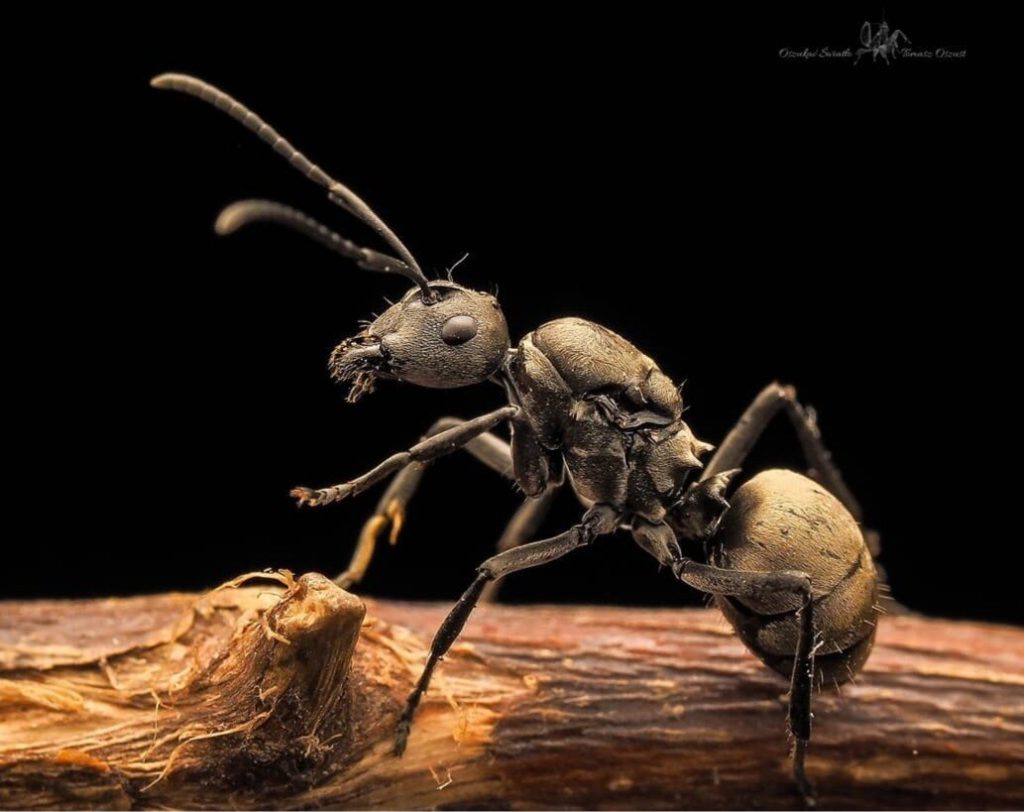
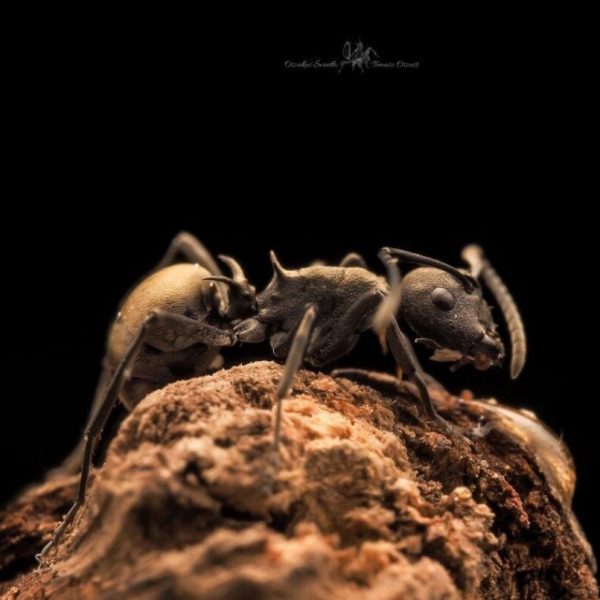
De glanzend zwarte werksters, de karakteristieke stekels op het lichaam en de bijzondere nestconstructies zorgen ervoor dat Polyrhachis dives zich duidelijk onderscheidt van andere tropische mierensoorten.
Waarom Polyrhachis dives kopen bij Quality Ants?
Bij Quality Ants ontvang je uitsluitend gezonde Polyrhachis dives kolonies die zorgvuldig worden gecontroleerd voordat zij worden verzonden. Daarnaast helpen wij je graag met deskundig advies over temperatuur, luchtvochtigheid, voeding en de optimale inrichting van een geschikt formicarium.
Naast gezonde kolonies vind je bij Quality Ants ook professionele mierennesten, complete startersets, hoogwaardige mierennectar, voederinsecten en diverse accessoires. Zo geef je jouw Polyrhachis dives vanaf de eerste dag de beste omstandigheden om jarenlang gezond te groeien.
Polyrhachis dives verzorgen
Wanneer je besluit een Polyrhachis dives kolonie te kopen, is het belangrijk om de leefomstandigheden zoveel mogelijk af te stemmen op het tropische klimaat waarin deze soort van nature voorkomt. Polyrhachis dives ontwikkelt zich het beste bij een stabiele temperatuur, een relatief hoge luchtvochtigheid en een gevarieerd voedingspatroon. Onder optimale omstandigheden blijft de koningin actief en groeit de kolonie gestaag verder.
De ideale temperatuur voor Polyrhachis dives
Polyrhachis dives voelt zich het prettigst bij temperaturen tussen de 24°C en 28°C. Binnen dit temperatuurbereik ontwikkelen eieren, larven en poppen zich optimaal en blijven de werksters zeer actief. Bij langdurig lagere temperaturen vertraagt de ontwikkeling van de kolonie en neemt de activiteit zichtbaar af.
Een warmtekabel of warmtemat onder een gedeelte van het nest zorgt voor een natuurlijke temperatuurgradiënt. Hierdoor kunnen de werksters zelf bepalen waar zij de koningin en het broed onderbrengen.
Luchtvochtigheid
Omdat Polyrhachis dives afkomstig is uit tropische bossen heeft deze soort behoefte aan een relatief hoge luchtvochtigheid. Een luchtvochtigheid van ongeveer 60% tot 80% is ideaal. Houd het nest licht vochtig, maar zorg tegelijkertijd voor voldoende ventilatie om condensvorming en schimmel te voorkomen.
Door een deel van het nest vochtig te houden en een deel droger te laten ontstaat een natuurlijke vochtgradiënt. Werksters kunnen hierdoor het broed steeds naar de meest geschikte omstandigheden verplaatsen.
Voeding van Polyrhachis dives
Een gezonde Polyrhachis dives kolonie heeft behoefte aan zowel koolhydraten als eiwitten. Hoogwaardige mierennectar vormt de belangrijkste energiebron voor de volwassen werksters. Daarnaast zijn voederinsecten zoals fruitvliegen, meelwormen, buffalo wormen, kakkerlakken en kleine krekels belangrijk voor de ontwikkeling van larven.
Tijdens perioden met veel broed neemt de behoefte aan eiwitrijke voeding toe. Door regelmatig afwisselend voedsel aan te bieden blijft de kolonie gezond en ontwikkelen nieuwe werksters zich optimaal.
Winterrust
Polyrhachis dives heeft geen winterrust nodig. Omdat deze soort afkomstig is uit tropische gebieden blijft de kolonie bij een constante temperatuur het hele jaar actief. De koningin kan gedurende lange perioden eieren blijven leggen wanneer de omstandigheden gunstig zijn.
Het ideale formicarium
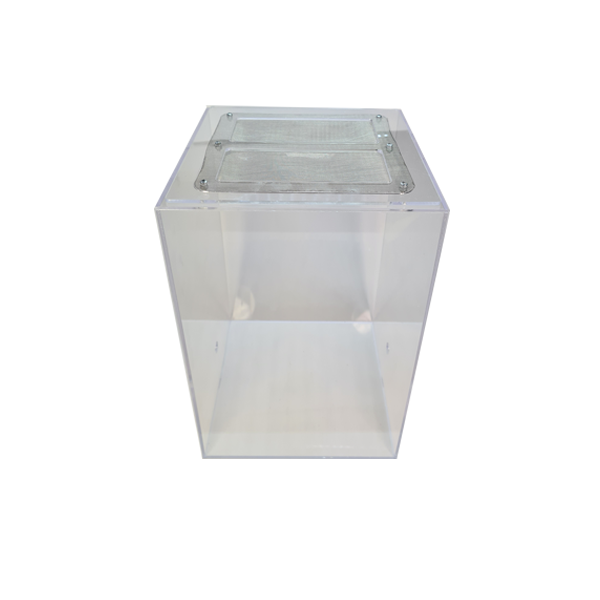
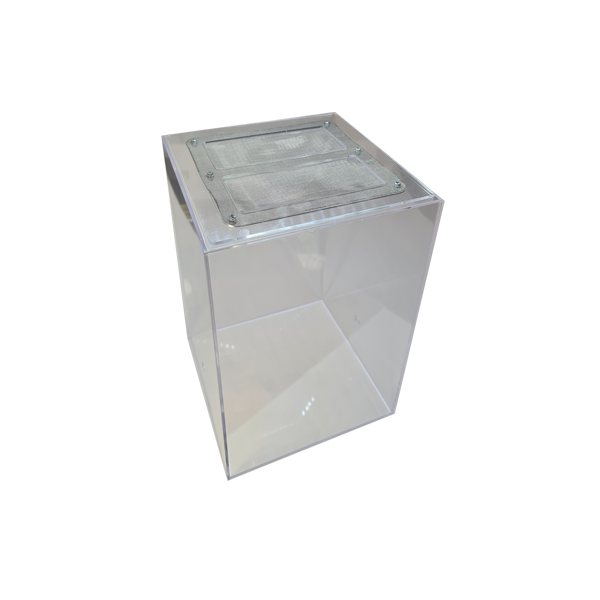
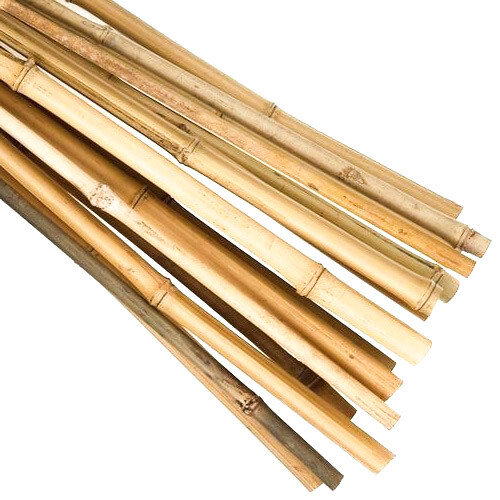
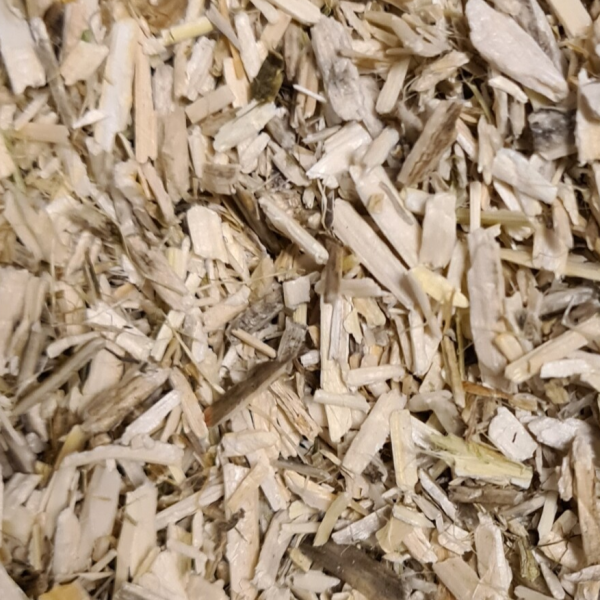
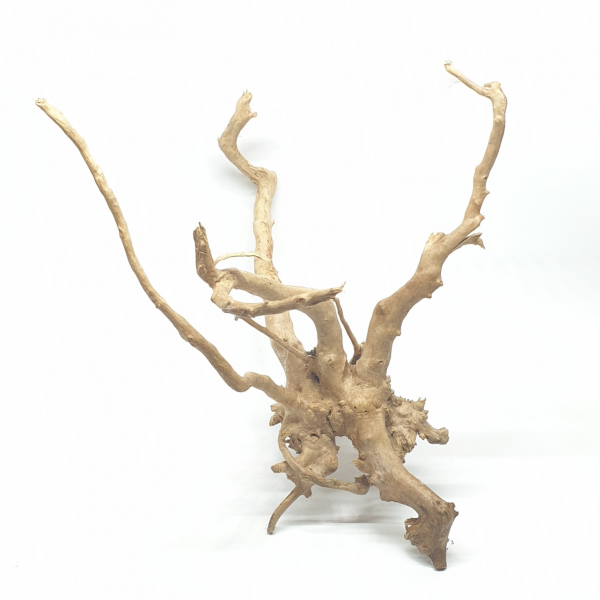
Wanneer je een Polyrhachis dives wilt kopen, is een ruim formicarium met veel klimmogelijkheden aan te raden. Takken, kurk, bladeren en andere natuurlijke materialen sluiten goed aan bij de boombewonende levenswijze van deze soort. Wanneer geschikt materiaal aanwezig is, kunnen de werksters hun karakteristieke zijdenesten bouwen.
Een goed afsluitbaar formicarium is belangrijk, omdat Polyrhachis dives uitstekend kan klimmen. Een betrouwbare ontsnappingsbarrière voorkomt dat werksters het verblijf verlaten.
Een tropische mier met uniek nestgedrag
Polyrhachis dives behoort tot de meest bijzondere mierensoorten binnen de hobby. De combinatie van een actieve levenswijze, een boombewonend karakter en het gebruik van larvenzijde voor de nestbouw maakt deze soort uniek. Hierdoor is er vrijwel altijd iets interessants te observeren in het formicarium.
Wie een Polyrhachis dives kolonie koopt, kiest voor een tropische mierensoort die met de juiste verzorging jarenlang gezond blijft en voortdurend fascinerend natuurlijk gedrag laat zien.
Het gedrag van Polyrhachis dives
Wie een Polyrhachis dives kolonie koopt, haalt een uiterst actieve en fascinerende mierensoort in huis. De werksters zijn vrijwel voortdurend bezig met het verkennen van hun omgeving, het verzamelen van voedsel en het onderhouden van hun nest. Dankzij hun uitstekende samenwerking reageren zij razendsnel wanneer een nieuwe voedselbron wordt aangeboden. Binnen korte tijd ontstaat een duidelijke foerageerroute tussen het nest en de buitenwereld.
Polyrhachis dives staat daarnaast bekend om haar bijzondere nestbouw. Werksters gebruiken de zijde die door de larven wordt geproduceerd om bladeren, takjes en ander nestmateriaal aan elkaar te verbinden. Hierdoor ontstaan stevige schuilplaatsen waarin de koningin en het broed veilig worden ondergebracht. Dit gedrag is één van de belangrijkste redenen waarom deze soort zo geliefd is onder ervaren mierenliefhebbers.
Een efficiënte taakverdeling
Binnen een gezonde Polyrhachis dives kolonie heeft iedere werkster een eigen taak. Jonge werksters blijven meestal dicht bij de koningin om de eieren, larven en poppen te verzorgen. Oudere werksters verlaten het nest om voedsel te verzamelen, nieuwe gebieden te verkennen en geschikt nestmateriaal aan te voeren.
Door deze duidelijke taakverdeling functioneert de kolonie zeer efficiënt. Naarmate de kolonie groeit worden de samenwerking en communicatie tussen de werksters steeds indrukwekkender zichtbaar.
Koloniegroei van Polyrhachis dives
Na het kopen van een Polyrhachis dives kolonie ontwikkelt de kolonie zich onder warme omstandigheden gestaag. De koningin blijft regelmatig nieuwe eieren leggen, terwijl de werksters het broed zorgvuldig verzorgen. Iedere nieuwe generatie werksters vergroot de capaciteit van de kolonie om voedsel te verzamelen en het nest verder uit te bouwen.
Bij voldoende warmte, een hoge luchtvochtigheid en gevarieerde voeding groeit Polyrhachis dives uit tot een indrukwekkende tropische kolonie waarin voortdurend activiteit zichtbaar is.
Foerageergedrag
Polyrhachis dives is een opportunistische alleseter. In de natuur verzamelen werksters honingdauw, nectar, kleine insecten en andere organische voedselbronnen. In een formicarium accepteren zij zonder problemen hoogwaardige mierennectar als energiebron en verschillende voederinsecten als eiwitrijke voeding voor de larven.
Werksters werken nauw samen tijdens het vervoeren van voedsel. Zelfs grotere prooidieren worden gezamenlijk verwerkt en in kleinere delen naar het nest gebracht. Dit sociale gedrag is bijzonder interessant om van dichtbij te observeren.
Levensverwachting
Een gezonde Polyrhachis dives koningin kan onder optimale omstandigheden meerdere jaren leven. Gedurende haar leven blijft zij nieuwe werksters produceren, waardoor de kolonie zich geleidelijk blijft uitbreiden. Werksters leven korter, maar worden voortdurend vervangen door nieuwe generaties.
Waarom Polyrhachis dives kopen?
Wie een Polyrhachis dives koopt, kiest voor een tropische mierensoort die zich onderscheidt door haar unieke nestbouw, actieve karakter en uitstekende samenwerking. De combinatie van glanzend zwarte werksters, karakteristieke stekels en het bouwen van zijdenesten maakt deze soort tot één van de meest indrukwekkende mieren voor een formicarium.
Met de juiste verzorging groeit Polyrhachis dives uit tot een gezonde en levendige kolonie die jarenlang fascinerend gedrag laat zien. Vooral het bouwen en onderhouden van de karakteristieke zijdenesten maakt deze soort iedere dag opnieuw bijzonder om te observeren.
Veelgemaakte fouten bij het houden van Polyrhachis dives
Hoewel Polyrhachis dives een sterke tropische mierensoort is, vraagt zij wel om stabiele leefomstandigheden. De meest voorkomende fout is een te lage luchtvochtigheid. Omdat deze soort van nature voorkomt in vochtige bossen, kan een te droog nest ervoor zorgen dat het broed zich minder goed ontwikkelt en de activiteit van de kolonie afneemt.
Ook een te lage temperatuur remt de groei van de kolonie. Voor een optimale ontwikkeling is een constante temperatuur tussen de 24°C en 28°C aan te raden. Grote temperatuurschommelingen kunnen stress veroorzaken en de eileg van de koningin verminderen.
Een andere veelgemaakte fout is het aanbieden van een kaal formicarium zonder klimmogelijkheden. Polyrhachis dives leeft van nature voornamelijk boven de grond en voelt zich het prettigst wanneer takken, kurk, bladeren en andere natuurlijke materialen aanwezig zijn.
Praktische verzorgingstips
Zorg voor voldoende klimstructuren
Wanneer je een Polyrhachis dives kolonie koopt, is het verstandig om het formicarium in te richten met verticale takken, kurkstukken en andere natuurlijke materialen. Hierdoor kunnen de werksters hun natuurlijke gedrag beter vertonen en krijgen zij de mogelijkheid om geschikte nestlocaties te kiezen.
Gevarieerde voeding voor een gezonde kolonie
Bied voortdurend hoogwaardige mierennectar aan als energiebron en vul dit meerdere keren per week aan met eiwitrijke voederinsecten zoals fruitvliegen, buffalo wormen, meelwormen, kakkerlakken of kleine krekels. Vooral tijdens perioden met veel larven neemt de behoefte aan eiwitten sterk toe.
Houd de luchtvochtigheid stabiel
Een luchtvochtigheid tussen ongeveer 60% en 80% is ideaal voor Polyrhachis dives. Vernevel indien nodig een gedeelte van het verblijf licht, maar zorg tegelijkertijd voor voldoende ventilatie zodat condensvorming wordt voorkomen.
Voorkom ontsnappingen
Polyrhachis dives is een uitstekende klimmer. Controleer daarom regelmatig de ontsnappingsbarrière en zorg ervoor dat alle openingen van het formicarium goed afgesloten zijn. Zo voorkom je dat werksters het verblijf verlaten.
Waarom Polyrhachis dives zo bijzonder is
Wat Polyrhachis dives uniek maakt, is de combinatie van haar glanzend zwarte uiterlijk, de kenmerkende stekels op het lichaam en het bijzondere nestbouwgedrag met larvenzijde. Slechts weinig mierensoorten vertonen dit gedrag, waardoor iedere kolonie een indrukwekkend inkijkje geeft in een uitzonderlijke vorm van samenwerking.
Daarnaast zijn de werksters zeer actief en laten zij vrijwel voortdurend natuurlijk gedrag zien. Van voedsel verzamelen tot het uitbreiden en onderhouden van het nest: er is altijd iets nieuws te ontdekken.
Veelgestelde vragen over Polyrhachis dives
Is Polyrhachis dives geschikt voor beginners?
Polyrhachis dives is vooral geschikt voor liefhebbers die al enige ervaring hebben met tropische mierensoorten. De verzorging is goed te doen, maar een stabiele temperatuur, een hogere luchtvochtigheid en een geschikt ingericht formicarium zijn belangrijk.
Hoe groot wordt een Polyrhachis dives kolonie?
Een gezonde kolonie kan uiteindelijk uit enkele duizenden werksters bestaan. De uiteindelijke koloniegrootte is afhankelijk van de leeftijd van de koningin, de beschikbare ruimte en de kwaliteit van de verzorging.
Hoe vaak moet ik Polyrhachis dives voeren?
Mierennectar kan vrijwel continu beschikbaar zijn. Voederinsecten kunnen meerdere keren per week worden aangeboden, afhankelijk van de hoeveelheid broed en de grootte van de kolonie.
Heeft Polyrhachis dives een winterrust nodig?
Nee. Polyrhachis dives is een tropische mierensoort en kent geen winterrust. Bij een constante temperatuur blijft de kolonie het hele jaar actief.
Waarom Polyrhachis dives kopen bij Quality Ants?
Bij Quality Ants ontvang je uitsluitend gezonde Polyrhachis dives kolonies die zorgvuldig worden gecontroleerd voordat zij worden verzonden. Daarnaast helpen wij je graag met deskundig advies over temperatuur, luchtvochtigheid, voeding en de optimale inrichting van jouw formicarium.
Polyrhachis dives kopen bij Quality Ants
Wil je een bijzondere tropische mierensoort met unieke zijdenesten, glanzend zwarte werksters en fascinerend sociaal gedrag? Dan is Polyrhachis dives kopen een uitstekende keuze. Bij Quality Ants vind je gezonde kolonies, professionele mierennesten, complete startersets, hoogwaardige mierennectar, voederinsecten en alle accessoires die nodig zijn om jouw kolonie optimaal te verzorgen.
Dankzij haar bijzondere nestbouw, actieve karakter en indrukwekkende samenwerking behoort Polyrhachis dives tot de meest fascinerende tropische mierensoorten die je jarenlang met plezier kunt observeren.
De levenscyclus van Polyrhachis dives
Een Polyrhachis dives kolonie begint met een bevruchte koningin die na de bruidsvlucht een geschikte nestlocatie zoekt. Nadat zij haar eerste eieren heeft gelegd, ontwikkelt het broed zich via larven en poppen tot de eerste werksters. Vanaf dat moment nemen de werksters alle dagelijkse taken over, terwijl de koningin zich volledig richt op het produceren van nieuwe eieren.
Onder optimale omstandigheden groeit de kolonie gedurende het hele jaar. Doordat Polyrhachis dives geen winterrust kent, kunnen gezonde kolonies zich vrijwel continu ontwikkelen zolang de temperatuur, luchtvochtigheid en voeding op peil blijven. Iedere nieuwe generatie werksters vergroot de capaciteit van de kolonie om voedsel te verzamelen, het nest verder uit te bouwen en het broed te verzorgen.
Een tropische mier met een unieke levenswijze
Wie een Polyrhachis dives kolonie koopt, kiest voor een mierensoort die zich duidelijk onderscheidt van de meeste andere soorten. De combinatie van een boombewonende levenswijze, actieve werksters en het bouwen van nesten met behulp van larvenzijde maakt deze soort bijzonder interessant voor iedere mierenliefhebber.
Wanneer voldoende takken, bladeren en natuurlijke materialen aanwezig zijn, kunnen de werksters hun karakteristieke nestbouwgedrag laten zien. Hierdoor verandert het formicarium langzaam in een natuurlijke leefomgeving waarin de kolonie zich zichtbaar ontwikkelt.
Waarom kiezen voor Polyrhachis dives?
Polyrhachis dives combineert een indrukwekkend uiterlijk met fascinerend sociaal gedrag. De glanzend zwarte werksters, de opvallende stekels en de bijzondere manier waarop nesten worden gebouwd zorgen ervoor dat deze soort iedere dag iets nieuws laat zien. Hierdoor behoort Polyrhachis dives al jarenlang tot de populairste tropische mierensoorten onder ervaren mierenhouders.
Met de juiste verzorging groeit de kolonie uit tot een actieve samenleving waarin samenwerking, communicatie en nestbouw voortdurend zichtbaar zijn. Dit maakt Polyrhachis dives tot één van de meest interessante soorten om langdurig te observeren.
Extra veelgestelde vragen
Hoe groot wordt een Polyrhachis dives koningin?
De koningin bereikt gemiddeld een lengte van ongeveer 10 tot 12 millimeter en is duidelijk groter en robuuster dan de werksters.
Hoe groot worden de werksters?
Werksters worden gemiddeld 6 tot 8 millimeter lang. Hun glanzend zwarte lichaam en karakteristieke stekels geven de soort een opvallend en herkenbaar uiterlijk.
Hoe lang leeft een Polyrhachis dives kolonie?
Bij optimale verzorging kan een Polyrhachis dives kolonie vele jaren gezond blijven. De koningin blijft gedurende haar leven nieuwe werksters produceren, waardoor de kolonie zich geleidelijk blijft uitbreiden.
Kan Polyrhachis dives samen met andere mierensoorten worden gehouden?
Nee. Net als alle andere mierensoorten moet Polyrhachis dives altijd afzonderlijk worden gehouden. Verschillende soorten in één formicarium zullen elkaar vrijwel altijd bestrijden.
Waarom Polyrhachis dives kopen bij Quality Ants?
Bij Quality Ants ontvang je uitsluitend gezonde Polyrhachis dives kolonies die zorgvuldig worden gecontroleerd voordat zij worden verzonden. Daarnaast helpen wij je graag met deskundig advies over voeding, temperatuur, luchtvochtigheid en de optimale inrichting van jouw formicarium.
Bestel jouw Polyrhachis dives eenvoudig online
Wil je een tropische mierensoort met een unieke levenswijze, prachtige glanzend zwarte werksters en fascinerend nestbouwgedrag? Dan is Polyrhachis dives kopen een uitstekende keuze. Bij Quality Ants vind je gezonde kolonies, professionele mierennesten, complete startersets, hoogwaardige mierennectar, voederinsecten en alle accessoires die nodig zijn om jouw kolonie optimaal te verzorgen.
Bestel vandaag nog jouw Polyrhachis dives bij Quality Ants en ontdek waarom deze bijzondere Aziatische mierensoort wereldwijd geliefd is onder mierenliefhebbers. Dankzij haar unieke zijdenesten, actieve werksters en indrukwekkende samenwerking biedt Polyrhachis dives jarenlang fascinerend kijkplezier.