
Scientific name: Atta cephalotes
Distribution area: South and Central America
Difficulty level: 5/5
Queen size: 29 to 30 mm
Worker size: 3 to 16
Soldier size: 18 to 23
Hibernation: none
Recommended nest type: cylinder nest
Diet: leaves
Nest temperature: 22 to 26 degrees
Optimum temperature: 26 degrees
Nest humidity: 95% to 99%
Optimum air humidity: 99%
Please note: ensure correct and stable temperature and humidity!
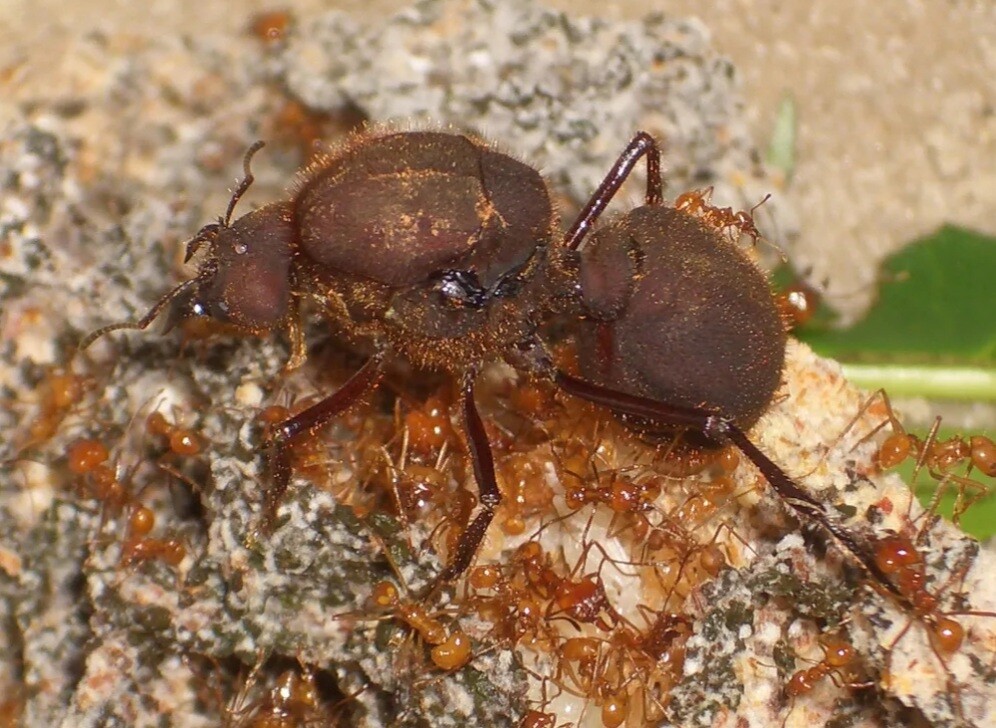
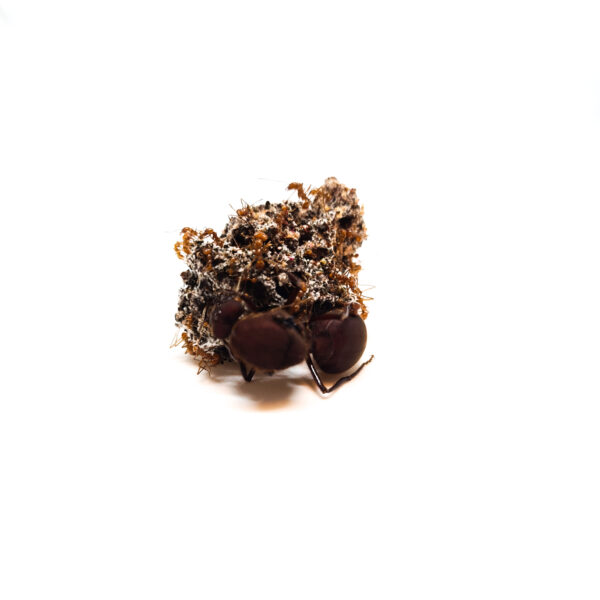
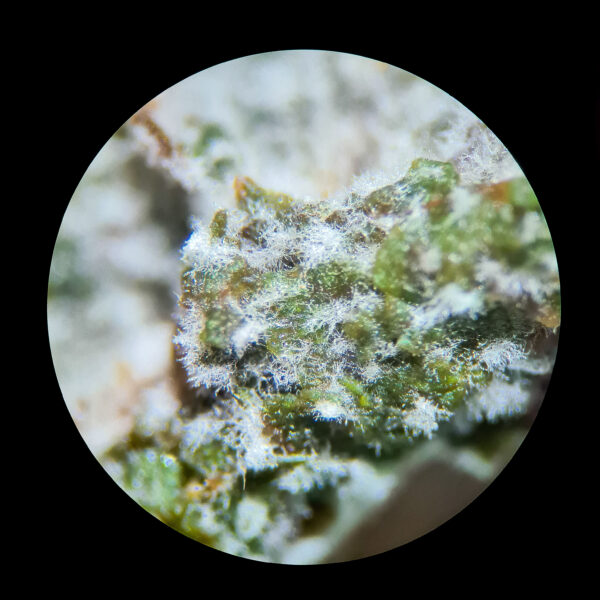
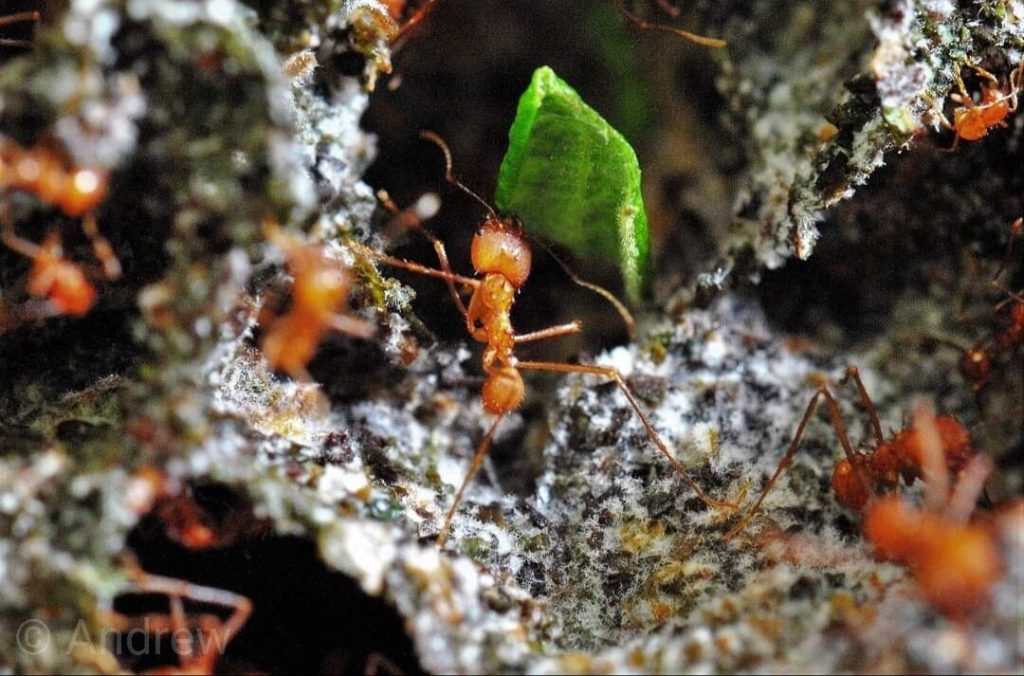
Atta cephalotes is a special and beautiful species from the Myrmicinae subfamily; they cultivate fungi. They cut many different types of leaves, which they then feed to the fungi. It's a difficult and especially challenging species, but once you've created the right conditions and the colony is thriving, it can certainly succeed.
Temperature. Keep the nest temperature between 23°C and 26°C. In the wild, leafcutter ants are accustomed to an extremely stable temperature that fluctuates around 1°C underground year-round. The most important thing, however, is to measure the temperature where the fungus is located. Many people measure the temperature in the enclosure, and this is never accurate. You'll need a thermometer with a probe that you can place in the nest. This is the only accurate way to measure the ants' temperature.
Humidity. The humidity of your nest is of crucial importance to the health of the colony. You should try to get the relative humidity as close to 100% as possible. Many sources will tell you that anything above 80% is fine. This is not the case. You must also measure this humidity directly where the mold is located. A distance of a few centimeters can reduce the accuracy of the humidity measurement by many percentage points. Keep in mind that any cold surface acts as a dehumidifier and converts water vapor in the air back into liquid water. This means that the front viewing window of your exhibit, which is normally the coldest part of your exhibit, will likely become covered with condensation that obstructs the view. Do not be tempted to lower the humidity to prevent this.
Difficulty level
5 / 5