
Pheidole indica – Aziatische dwergmier
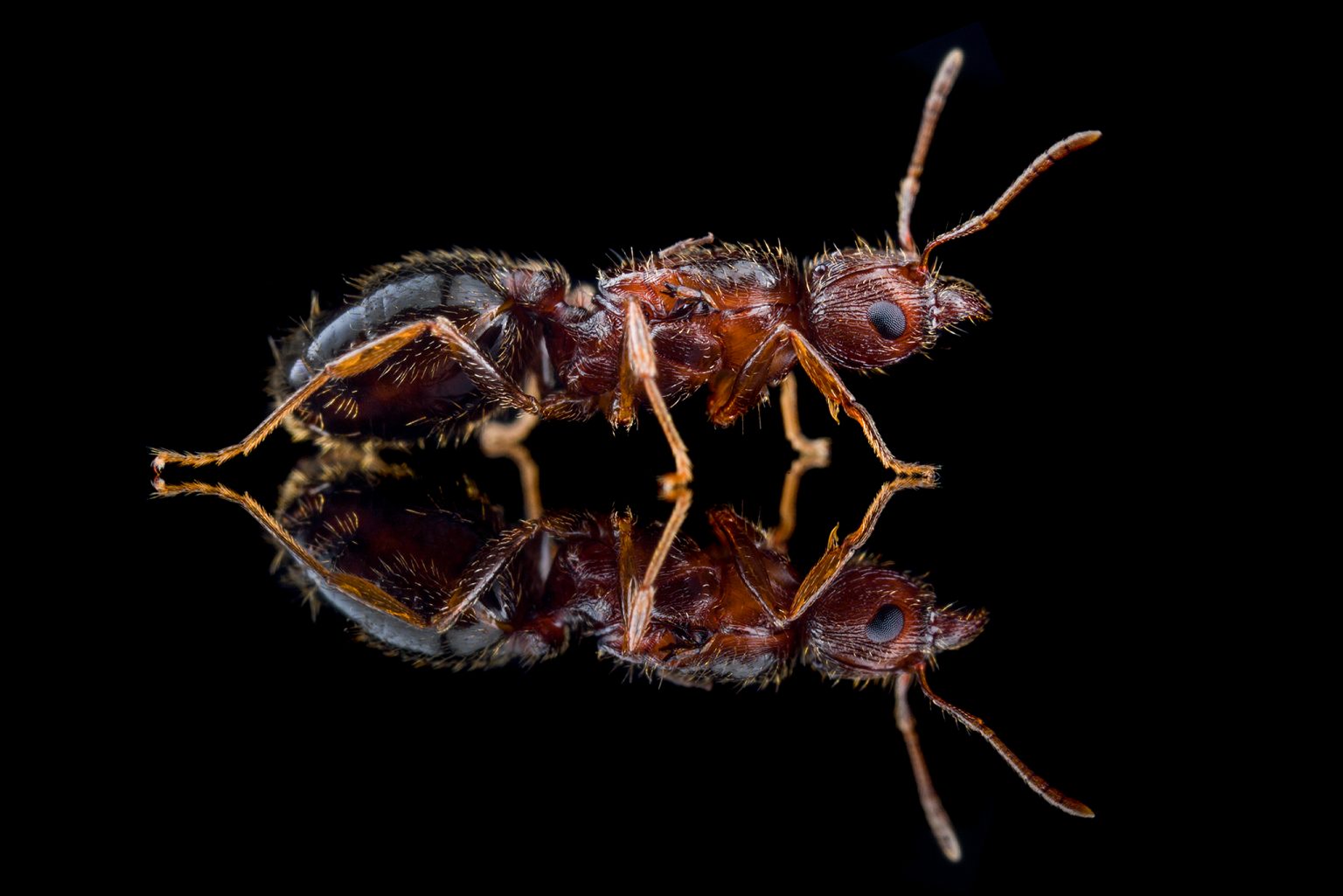
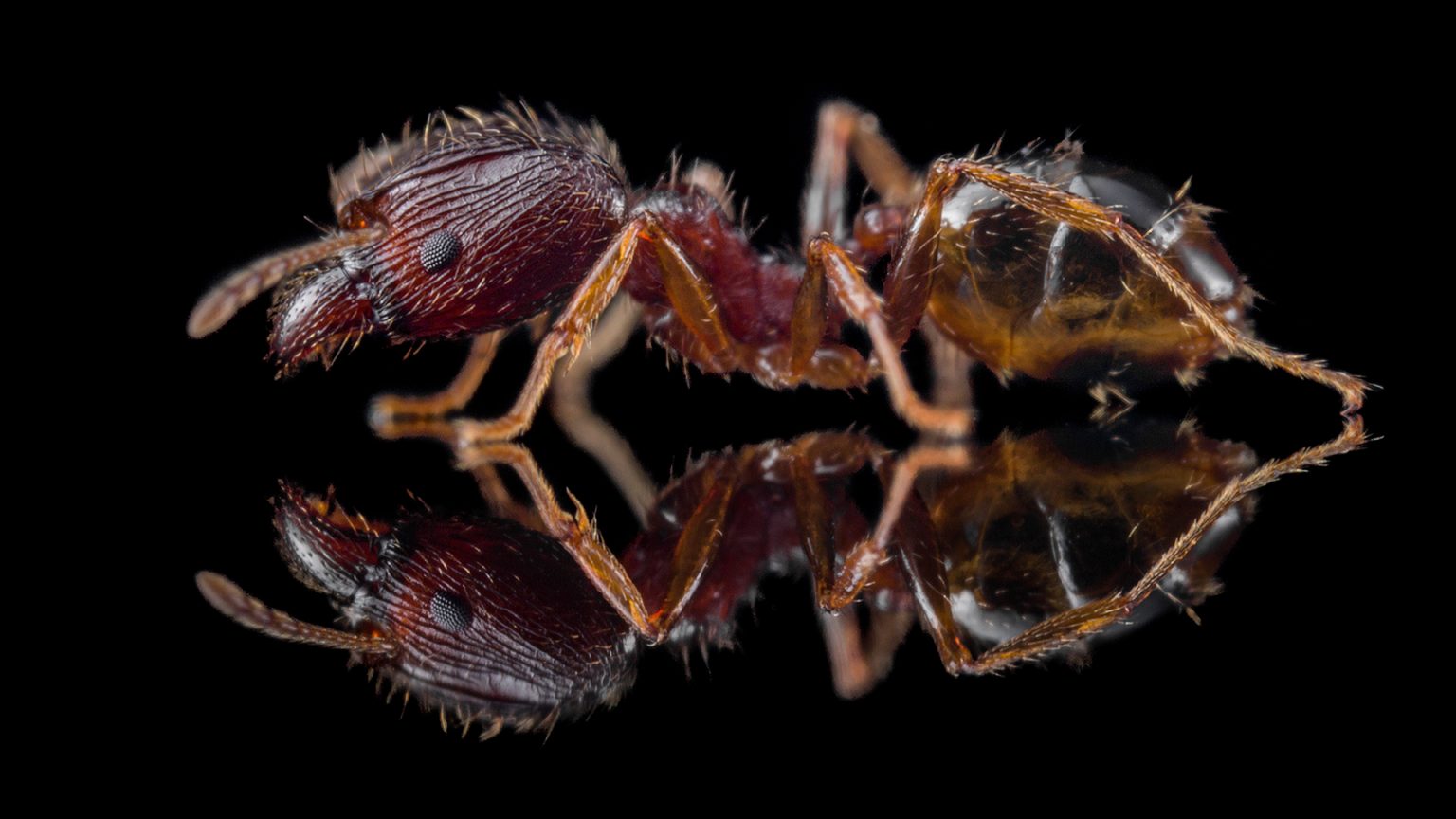
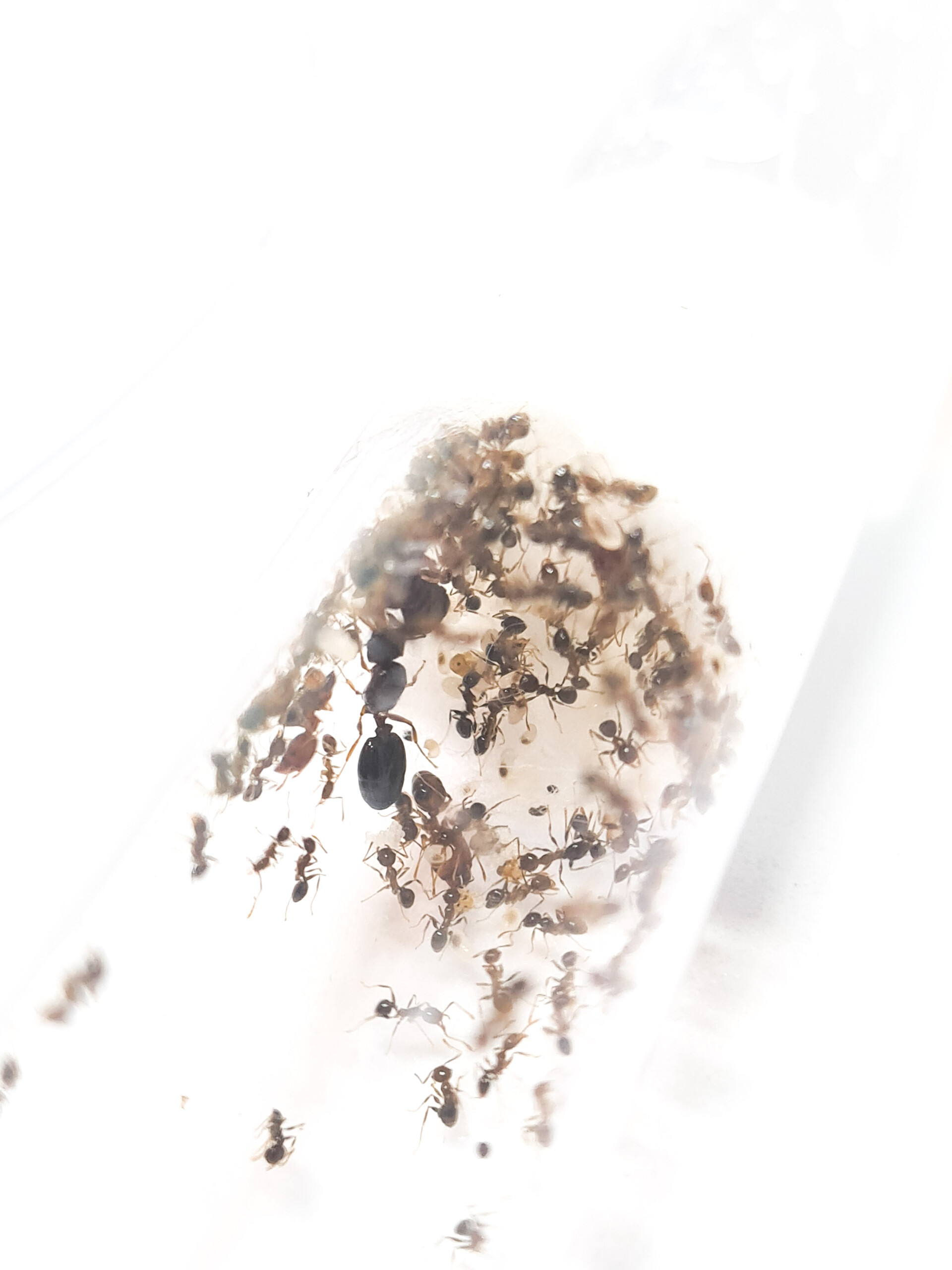
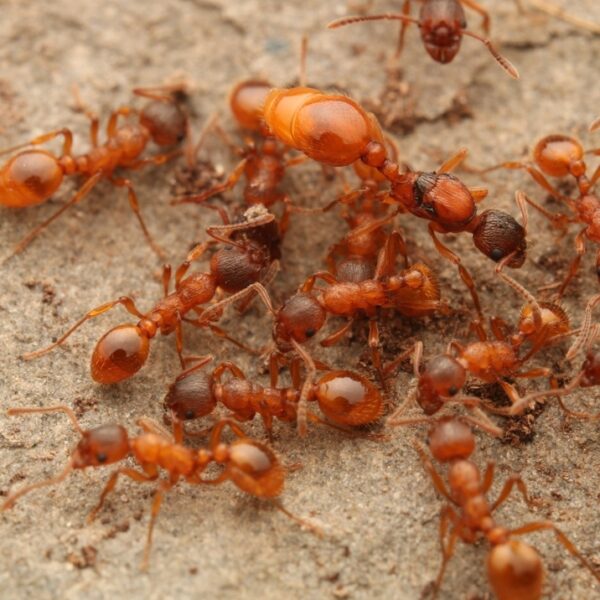
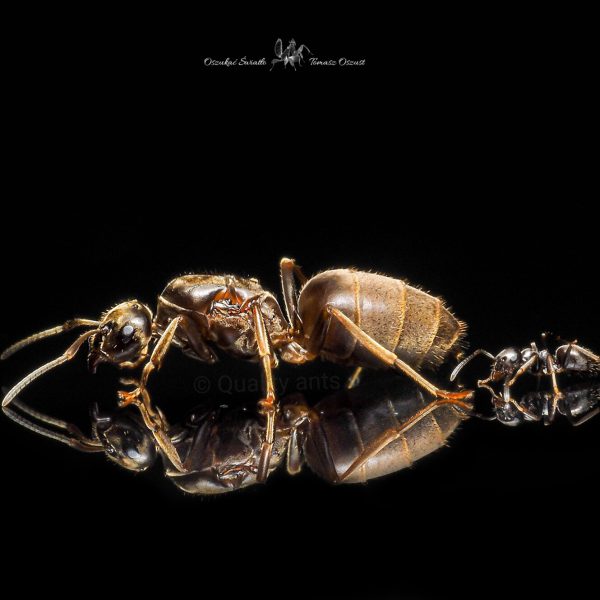
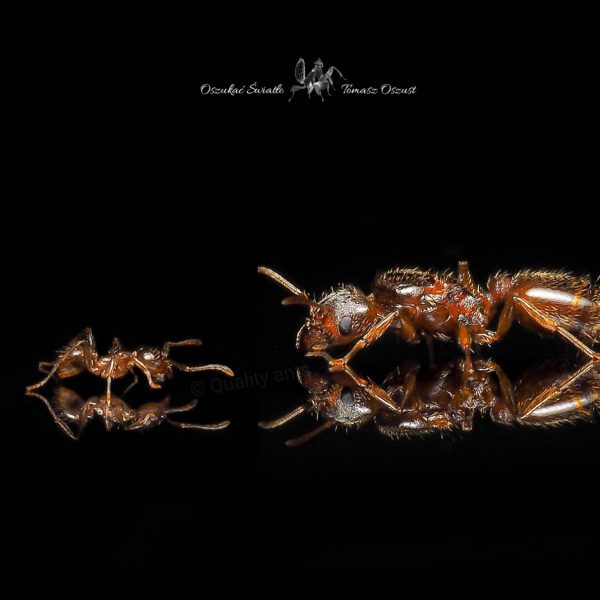
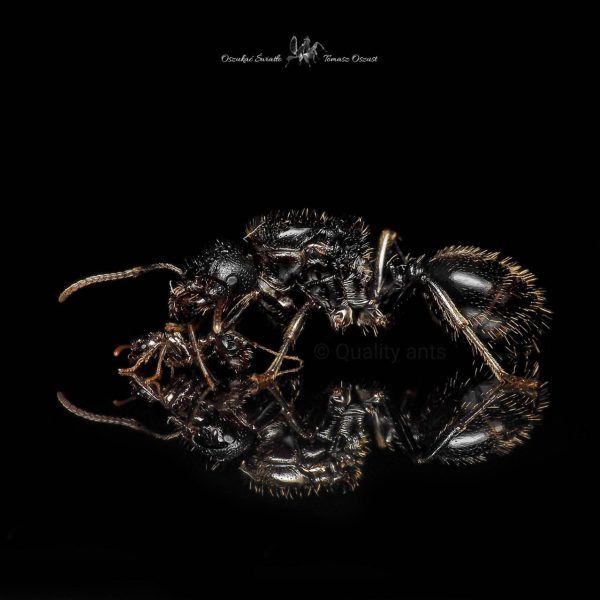
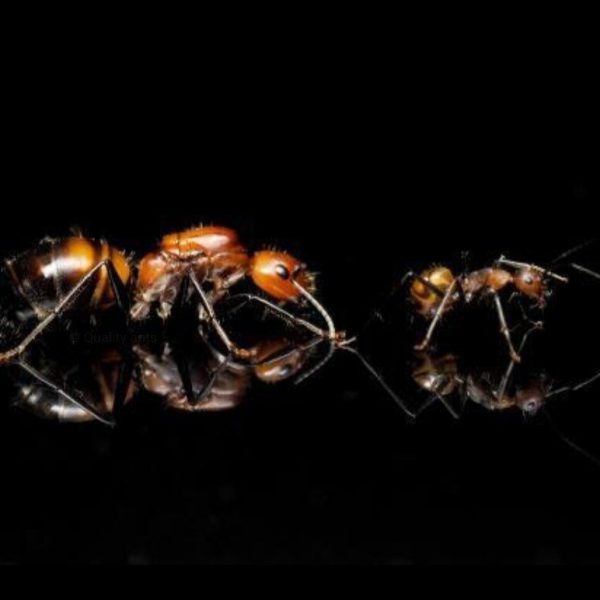
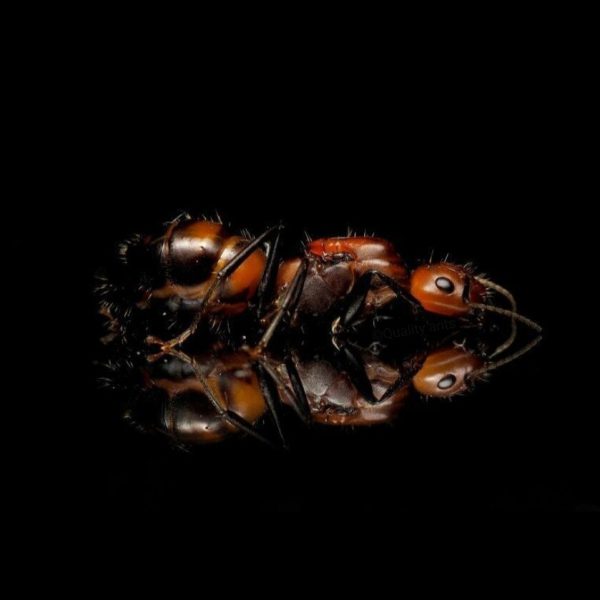
Pheidole indica is een kleine, actieve en snelgroeiende mierensoort die oorspronkelijk uit Azië afkomstig is. De soort is inmiddels door menselijke verspreiding ook in andere warme gebieden van de wereld aangetroffen. Pheidole indica is vooral interessant vanwege het duidelijke verschil tussen de kleine werksters en de opvallende majors, die een veel grotere kop en krachtige kaken hebben.
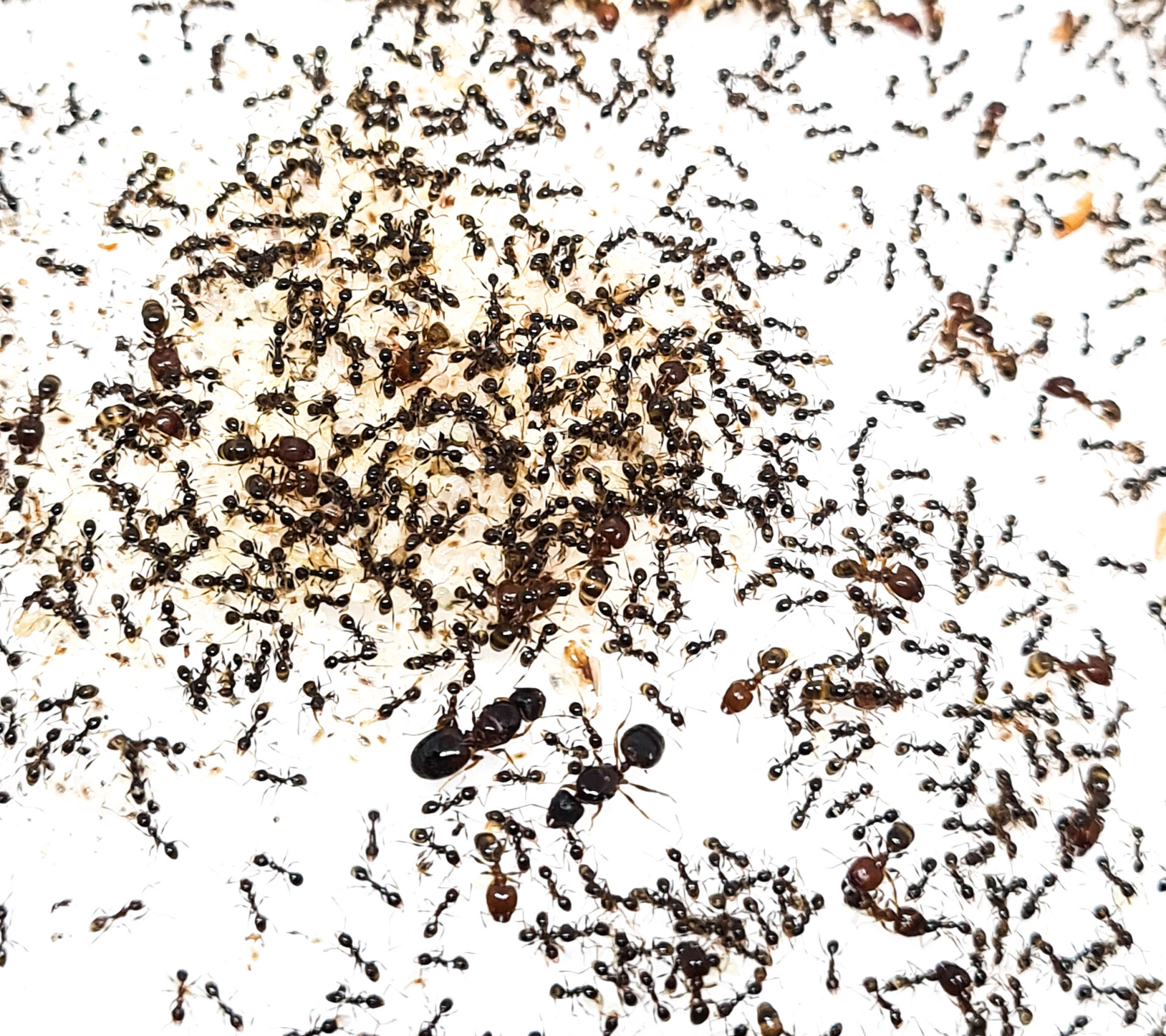
Ondanks het kleine formaat kunnen kolonies bijzonder actief zijn. Zodra een voedselbron wordt ontdekt, kunnen snel meerdere werksters worden gerekruteerd. Vooral bij insecten is goed te zien hoe werksters samenwerken en hoe de grotere majors worden ingezet bij het verwerken en verdedigen van voedsel.
Een gevestigde kolonie kan onder warme omstandigheden snel groeien. Hierdoor ontstaat al relatief snel een levendige kolonie waarin voortdurend activiteit te zien is. Door de combinatie van kleine werksters, opvallende majors en sterke voedselrespons is Pheidole indica een interessante soort voor liefhebbers die graag veel activiteit in de arena zien.
Door het zeer kleine formaat van de werksters en het groeitempo vraagt deze soort wel om een goed afgesloten formicarium en betrouwbare ontsnappingsbeveiliging.
Specificaties
Wetenschappelijke naam: Pheidole indica
Nederlandse benaming: Aziatische dwergmier
Verspreidingsgebied: Oorspronkelijk Azië; tegenwoordig door introductie ook aanwezig in verschillende tropische en subtropische gebieden buiten het oorspronkelijke verspreidingsgebied
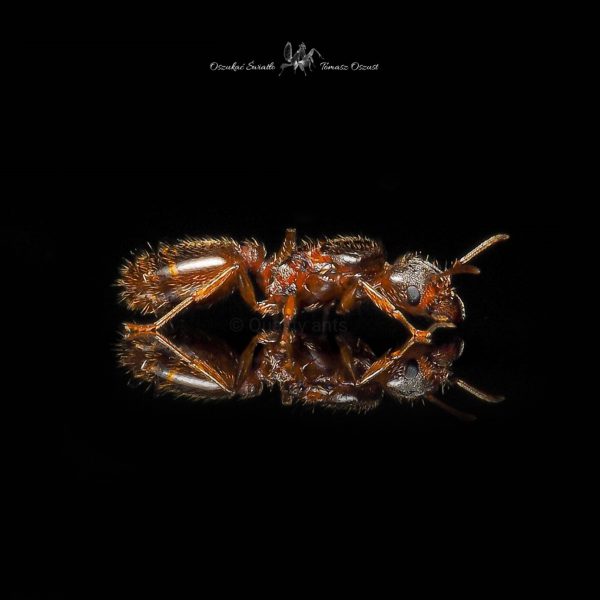
Kleur van de mier: Geelbruin tot roodbruin; kleur kan verschillen tussen werksters en kolonies
Moeilijkheidsgraad: 2 / 5
Afmeting koningin: ongeveer 6 – 8 mm
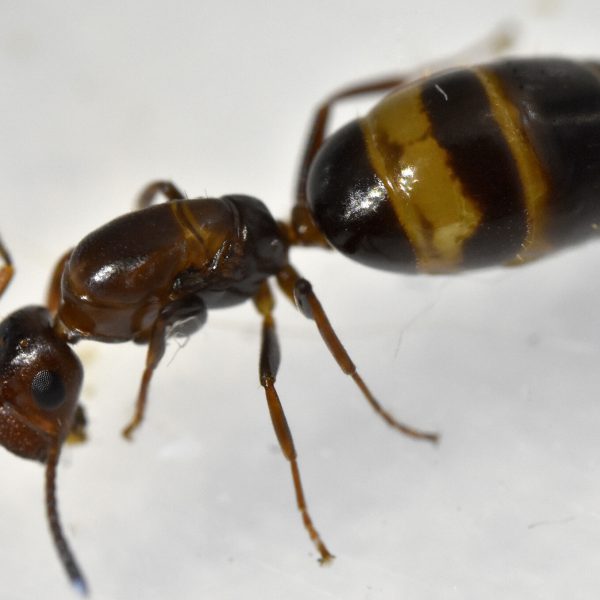
Afmeting werkster: ongeveer 2 – 3 mm
Afmeting soldaat / major: ongeveer 3 – 4,5 mm, met een opvallend grote kop en krachtige kaken
Temperatuur: ongeveer 22 – 30°C
Optimale temperatuur: ongeveer 25 – 28°C
Winterrust: Geen echte winterrust noodzakelijk bij tropisch/subtropisch gehouden kolonies; het exacte seizoensritme kan afhankelijk zijn van de herkomst van de kolonie
Groeisnelheid: Snel
Maximale leeftijd koningin: meerdere jaren onder goede omstandigheden
Maximale leeftijd werksters: doorgaans enkele maanden tot ongeveer een jaar
Uitgroeien tot aantal werksters: enkele duizenden werksters; goed ontwikkelde kolonies kunnen groot worden
Onderfamilie: Myrmicinae
Stichting: Claustral; de koningin kan de eerste generatie werksters vanuit haar eigen reserves grootbrengen
Kolonievorming: Meerdere koninginnen kunnen bij deze soort voorkomen; de koloniestructuur kan afhankelijk zijn van populatie en herkomst
Voeding
Pheidole indica is een omnivore mierensoort met een sterke behoefte aan zowel eiwitten als koolhydraten.
Voeding: kleine insecten zoals fruitvliegen, kleine redrunners, kleine krekels, buffalowormen en stukjes meelworm of dubia.
Suikers: bijvoorbeeld Byformica Sunburst Ant Nectar, suikerwater, honingwater en andere geschikte nectarvoeding.
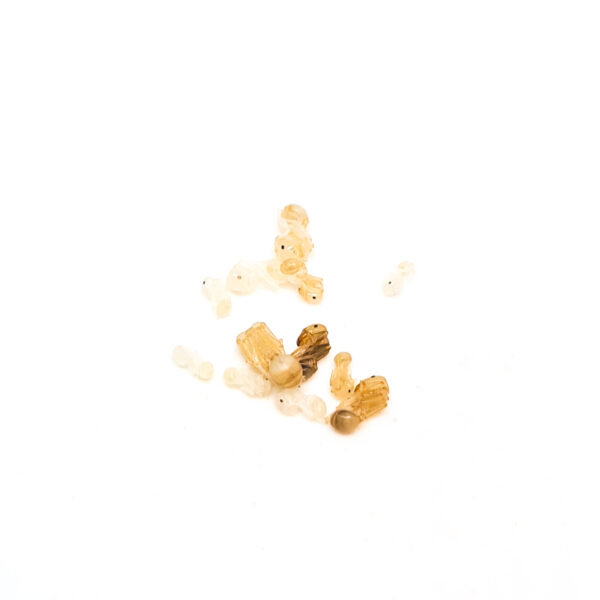
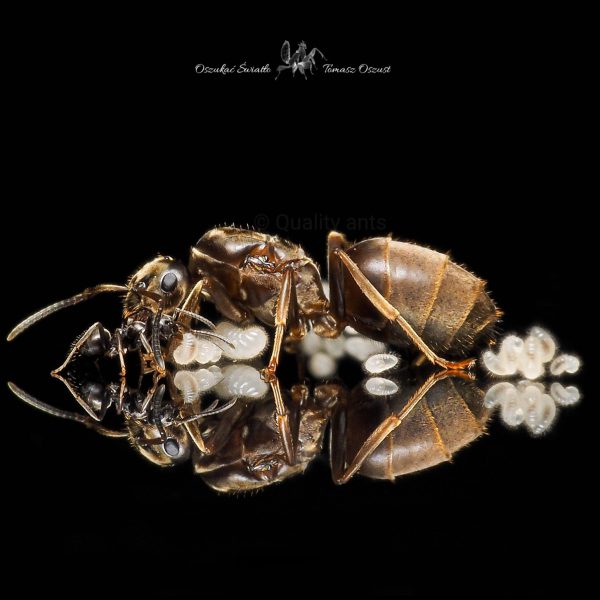
Eiwitten zijn bijzonder belangrijk wanneer veel larven aanwezig zijn. Een goed gevoede kolonie kan veel broed produceren en snel groeien. Bij grotere kolonies kan de reactie op insecten zeer indrukwekkend zijn doordat veel werksters tegelijkertijd naar het voedsel trekken.
Vers drinkwater moet altijd beschikbaar zijn.
Verzorging
Pheidole indica ontwikkelt zich goed in een warme omgeving. Het nest kan licht vochtig worden gehouden, maar zorg voor een vochtgradiënt zodat de kolonie zelf kan kiezen waar het broed wordt geplaatst.
Vanwege het zeer kleine formaat van de werksters is goede ontsnappingsbeveiliging essentieel. Kleine kieren die voor grotere mierensoorten geen probleem vormen, kunnen voor Pheidole indica groot genoeg zijn om doorheen te ontsnappen. Controleer daarom aansluitingen, ventilatieopeningen en slangverbindingen zorgvuldig.
Vanaf hoeveel werksters naar een nest: ongeveer 30 – 50 werksters
Aanbevolen nest type: fijn afgewerkt 3D nest, klein Ytong nest, gipsnest of goed afgesloten acryl nest
Naarmate de kolonie groeit moet voldoende ruimte in de arena beschikbaar zijn. Door hun snelle voedselrespons en grote aantallen kunnen volwassen kolonies bijzonder actief worden.
✅ Waarom kiezen voor Pheidole indica
• Kleine maar zeer actieve mierensoort
• Opvallende majors met grote koppen
• Duidelijk verschil tussen minors en majors
• Snelle koloniegroei onder goede omstandigheden
• Sterke en interessante voedselrespons
• Veel activiteit in de arena
• Geen koude Europese winterrust nodig bij tropisch/subtropische herkomst
• Interessant voor houders die een dynamische Pheidole-soort zoeken


Beoordelingen
Er zijn nog geen beoordelingen.