
Myrmica rubra – Rode steekmier
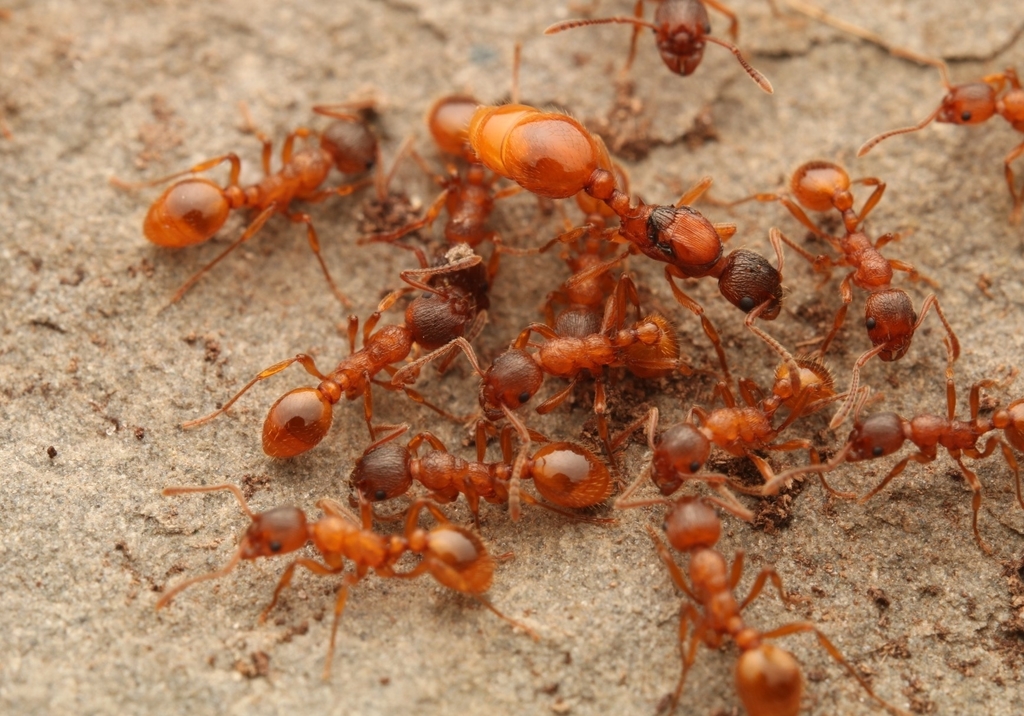
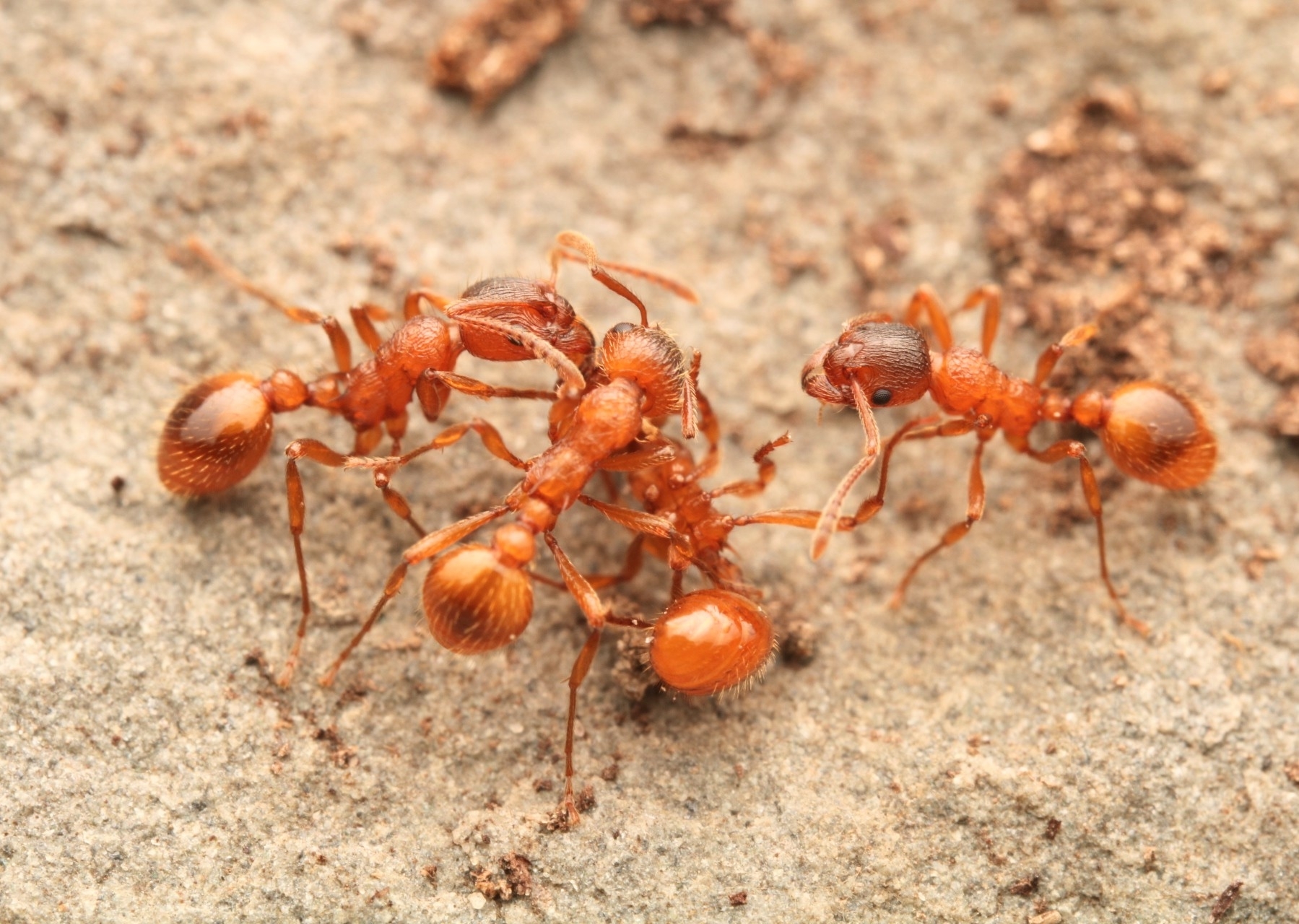
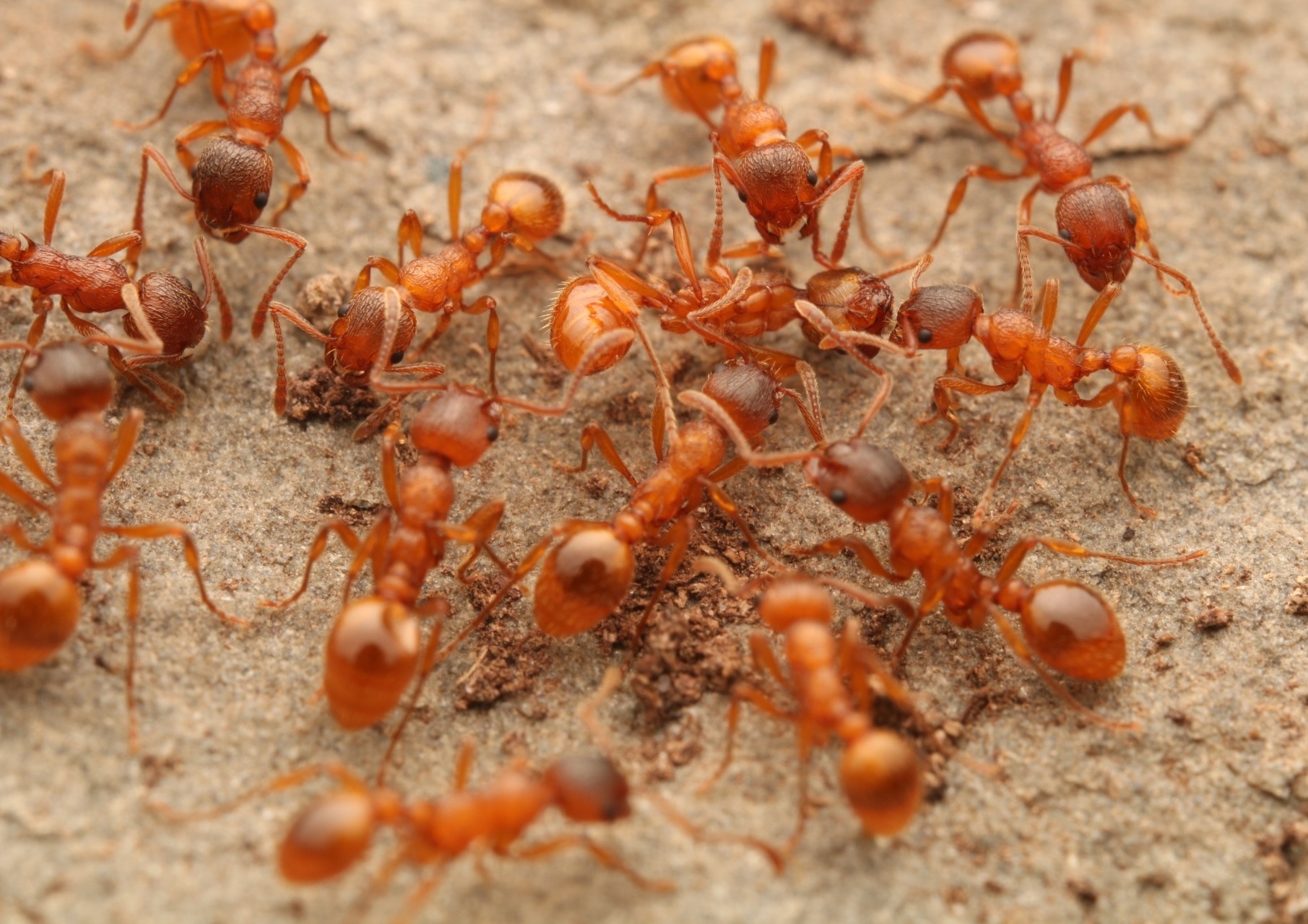
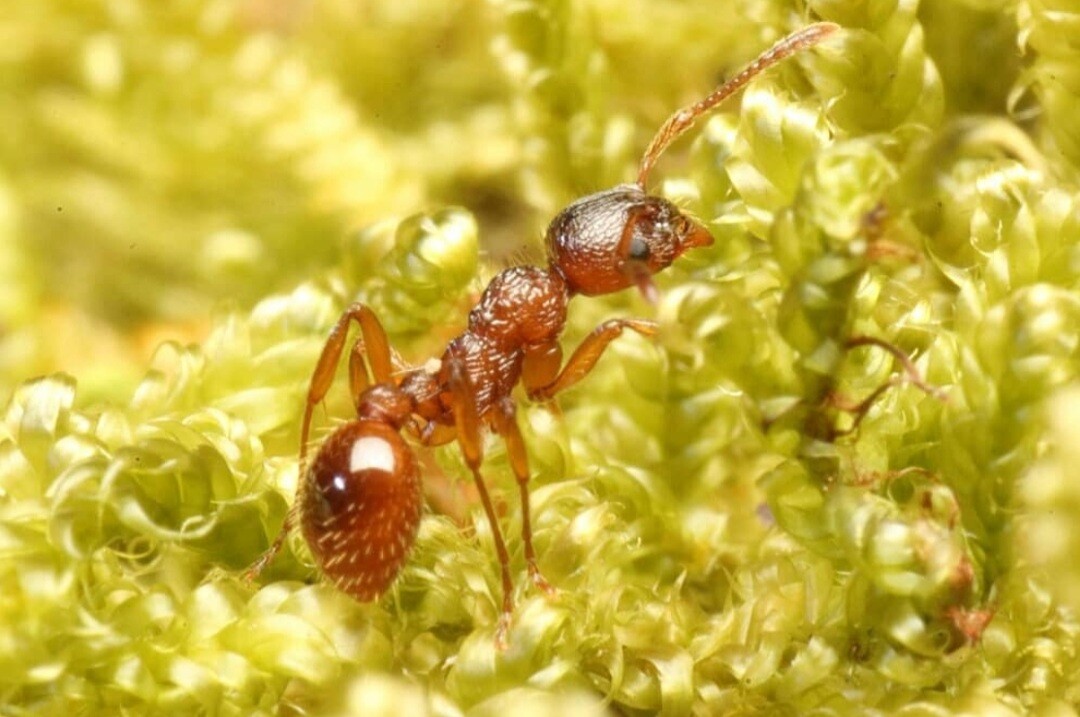
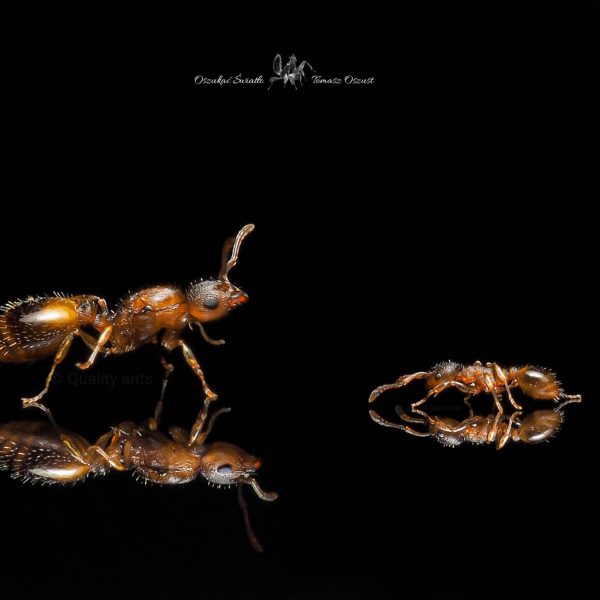
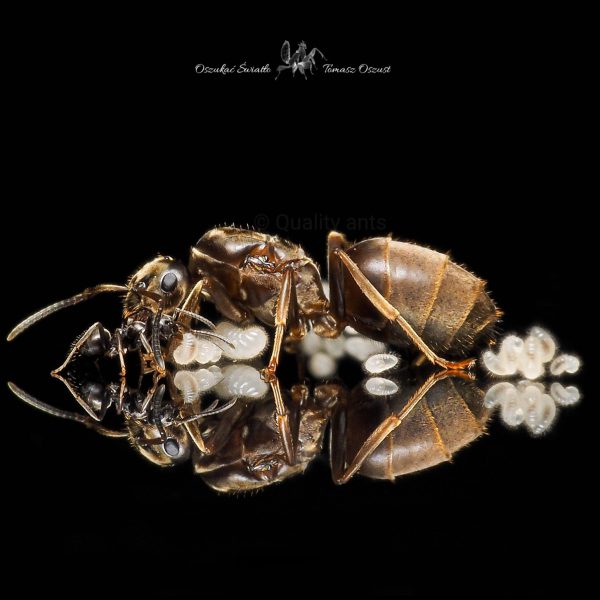
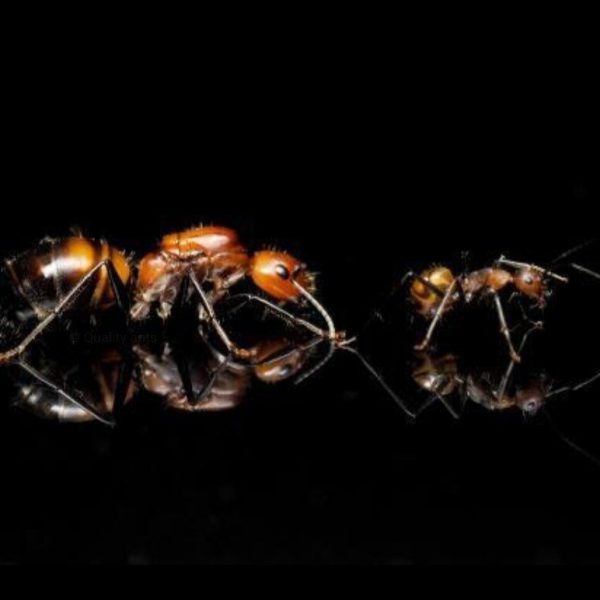
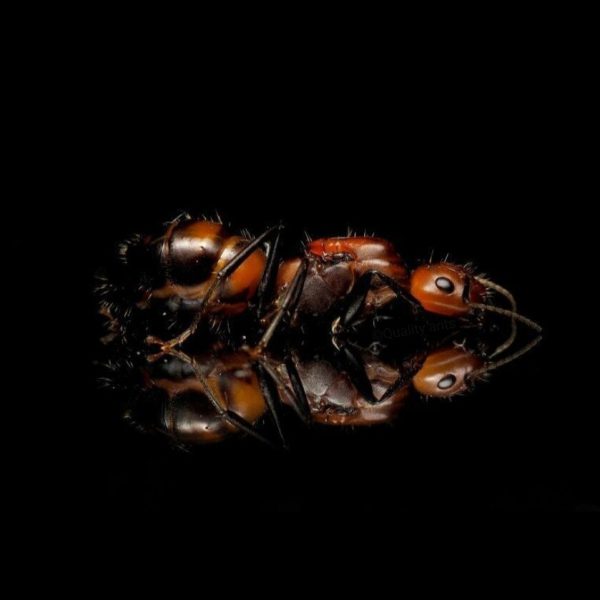
Myrmica rubra is een actieve en interessante Europese mierensoort die ook in Nederland en België voorkomt. De soort staat bekend om haar roodbruine kleur, beweeglijke werksters en sterke reactie op voedsel. In de natuur leeft Myrmica rubra vooral in vochtige graslanden, tuinen, bosranden en andere relatief vochtige leefgebieden.
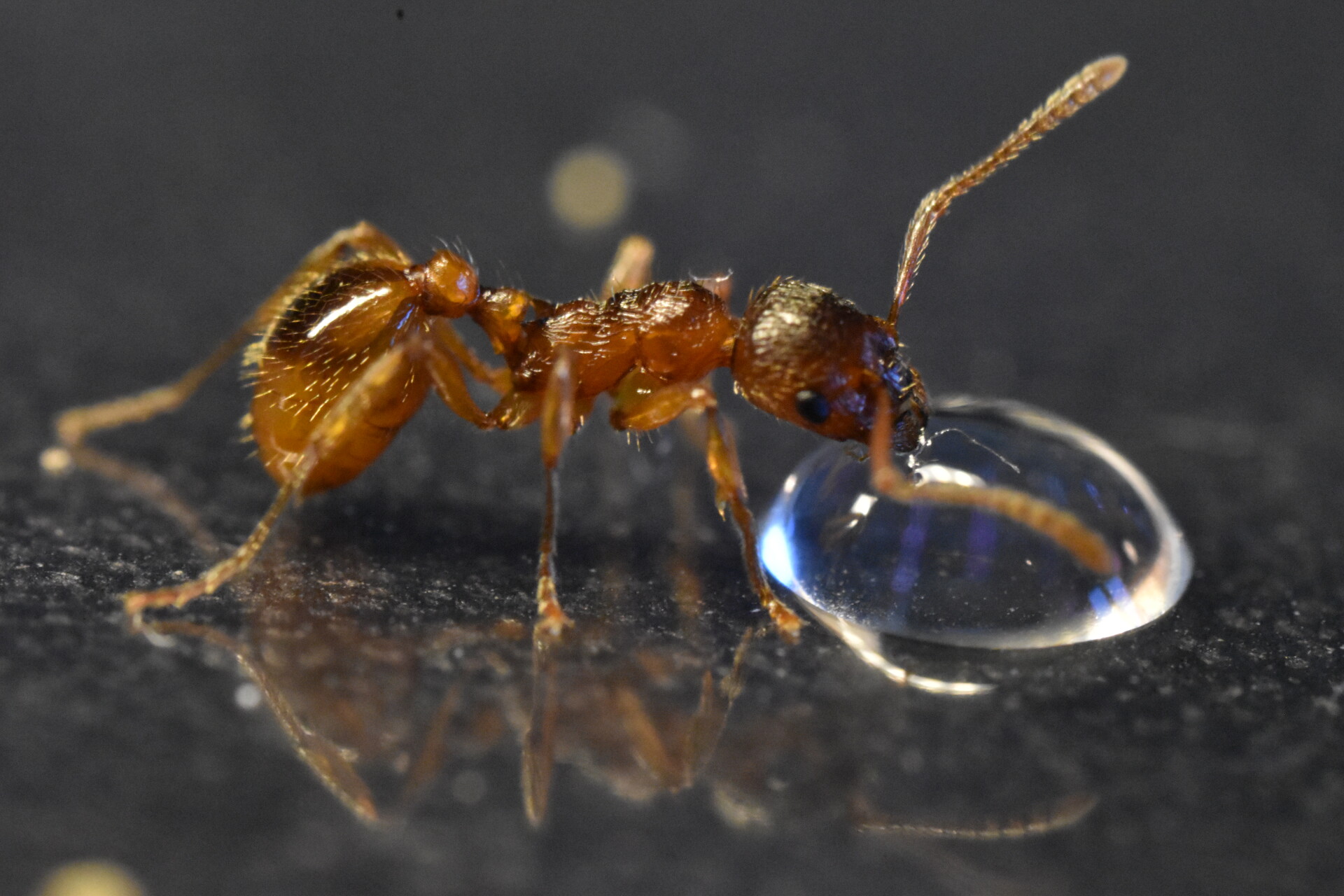
Werksters van Myrmica rubra zijn actieve jagers en voedselzoekers. Ze verzamelen zowel kleine insecten als suikerrijke vloeistoffen. Wanneer een goede voedselbron wordt gevonden, kunnen meerdere werksters worden gerekruteerd, waardoor er snel veel activiteit rond het voedsel ontstaat.
Een opvallend kenmerk van Myrmica rubra is dat kolonies vaak polygyn zijn. Dit betekent dat meerdere koninginnen binnen dezelfde kolonie kunnen leven en eieren leggen. Hierdoor kunnen kolonies zich goed ontwikkelen en zich in de natuur ook door afsplitsing uitbreiden.
Myrmica rubra beschikt over een angel en kan bij verstoring steken. De steek is voor de meeste mensen slechts kortdurend pijnlijk, maar voorzichtig omgaan met grotere kolonies is verstandig. Door hun actieve gedrag, mooie kleur en interessante koloniestructuur is deze soort leuk voor zowel beginnende als meer ervaren mierenhouders.
Specificaties
Wetenschappelijke naam: Myrmica rubra
Nederlandse benaming: Rode steekmier
Verspreidingsgebied: Grote delen van Europa en delen van Azië, waaronder Nederland en België
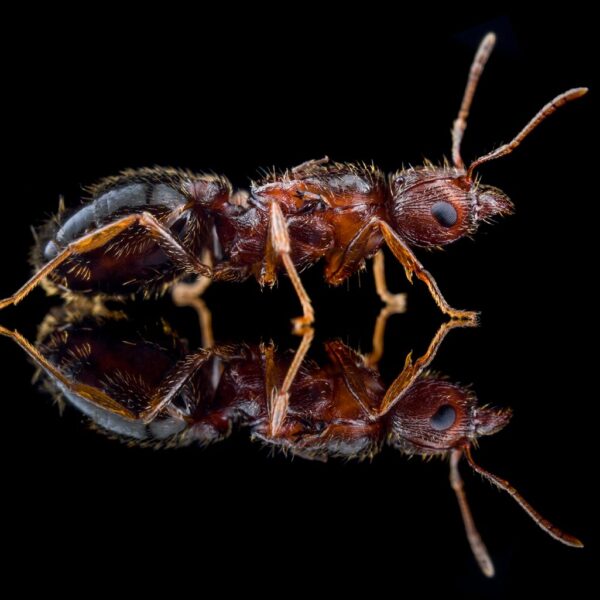
Kleur van de mier: Roodbruin tot donker roodbruin
Moeilijkheidsgraad: 2 / 5
Afmeting koningin: ongeveer 6,5 – 7,5 mm
Afmeting werkster: ongeveer 4 – 6 mm
Afmeting soldaat: Niet aanwezig
Temperatuur: ongeveer 18 – 25°C
Optimale temperatuur: ongeveer 20 – 23°C
Winterrust: Ja, ongeveer november t/m maart rond 5 – 10°C
Groeisnelheid: Gemiddeld tot snel bij goed gevestigde kolonies
Maximale leeftijd koningin: meerdere jaren; levensduur kan sterk verschillen tussen kolonies en omstandigheden
Maximale leeftijd werksters: gemiddeld minder dan ongeveer 2 jaar
Uitgroeien tot aantal werksters: gemiddeld rond 1.000 werksters per nest, maar kolonies kunnen variëren van enkele tientallen tot enkele duizenden werksters
Onderfamilie: Myrmicinae
Stichting: Nieuwe koninginnen kunnen zelfstandig een kolonie starten; uitbreiding via nestafsplitsing komt eveneens veel voor
Kolonievorming: Meestal polygyn, waarbij meerdere koninginnen in één nest kunnen voorkomen
Voeding
Myrmica rubra is een omnivore mierensoort die zowel dierlijke eiwitten als suikerrijke voeding nodig heeft.
Voeding: kleine insecten zoals fruitvliegen, redrunners, krekels, buffalowormen, meelwormen en kleine stukjes dubia.
Suikers: bijvoorbeeld Byformica Sunburst Ant Nectar, Nectra suikerwater, honingwater, honingdauw en andere geschikte nectarvoeding.
Eiwitrijke voeding is vooral belangrijk voor de ontwikkeling van de larven. Bij grotere kolonies kan regelmatig insectenvoer worden aangeboden, waarbij de hoeveelheid wordt aangepast aan de voedselopname van de kolonie.
Vers drinkwater moet altijd beschikbaar zijn.
Verzorging
Myrmica rubra houdt van een licht tot matig vochtig nest. In tegenstelling tot veel Mediterrane soorten mag het nest van deze soort niet langdurig volledig uitdrogen. Een duidelijke vochtgradiënt is ideaal, zodat de kolonie zelf kan kiezen waar het broed wordt geplaatst.
De soort hoeft niet zeer warm gehouden te worden. Een normale kamertemperatuur is gedurende een groot deel van het actieve seizoen al geschikt. Te hoge temperaturen gedurende langere tijd moeten worden vermeden.
Vanaf hoeveel werksters naar een nest: ongeveer 30 – 50 werksters
Aanbevolen nest type: Ytong nest, gipsnest, 3D nest, acryl nest of zand/leemnest met een betrouwbare vochtvoorziening
Myrmica rubra heeft een angel en kan deze gebruiken wanneer de kolonie wordt verstoord. Zorg daarom voor een goed afgesloten arena en werk voorzichtig tijdens het voeren en onderhouden van het formicarium.
✅ Waarom kiezen voor Myrmica rubra
• Mooie roodbruine Europese mierensoort
• Komt ook in Nederland en België voor
• Actief jacht- en foerageergedrag
• Vaak meerdere koninginnen per kolonie
• Interessante en natuurlijke koloniegroei
• Goed zichtbaar tijdens het voeren
• Geschikt voor relatief koele kamertemperaturen
• Interessant voor beginners en gevorderde mierenhouders


Beoordelingen
Er zijn nog geen beoordelingen.