

Lasius niger – Zwarte wegmier
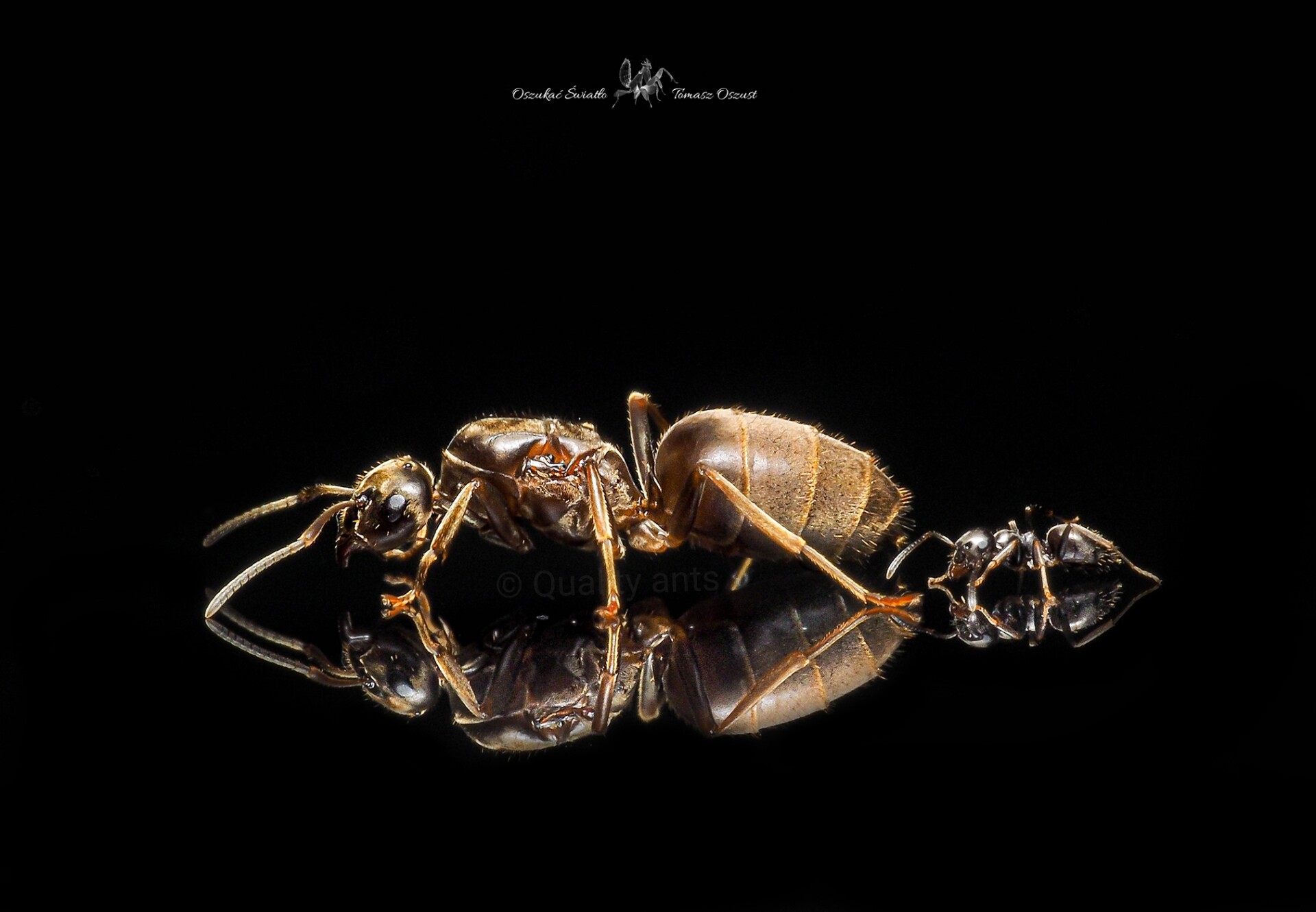
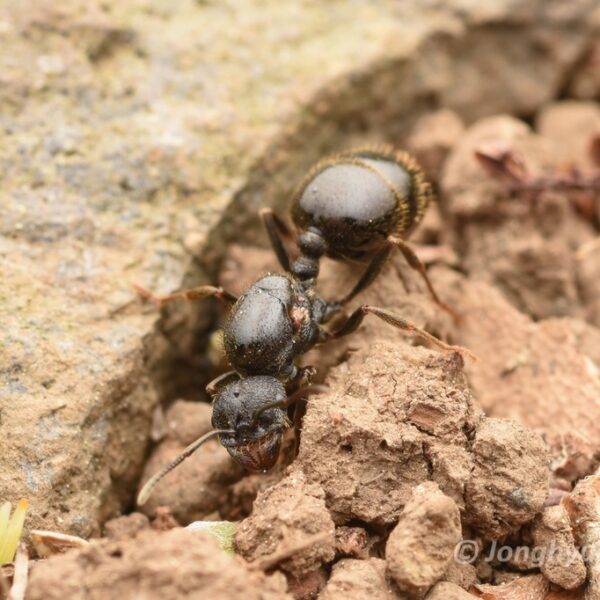
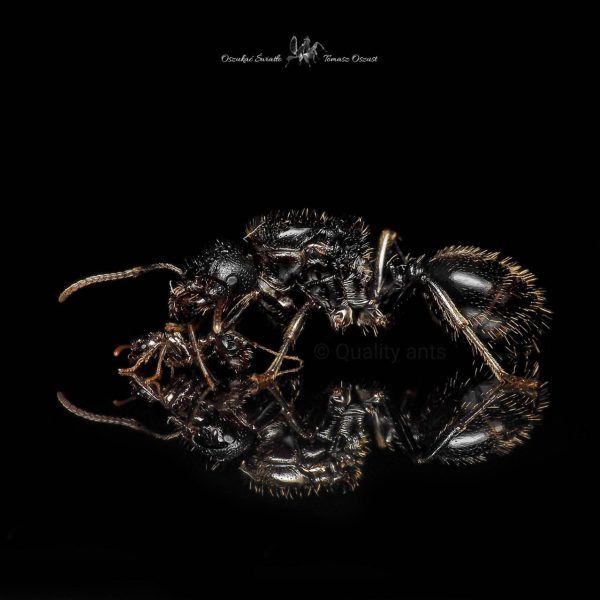
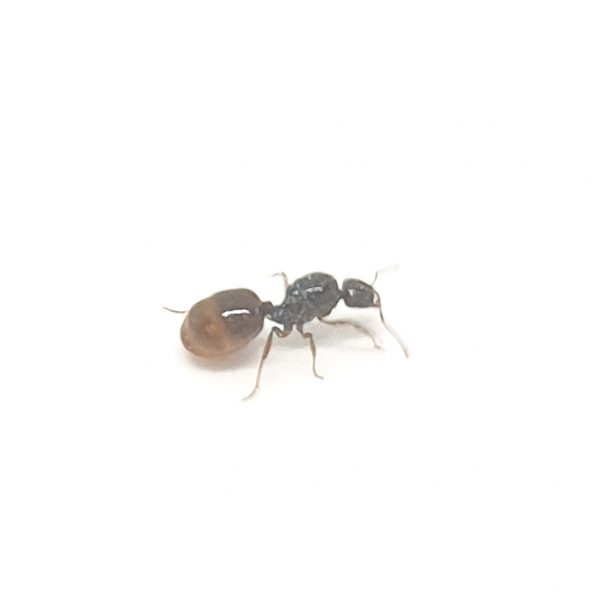
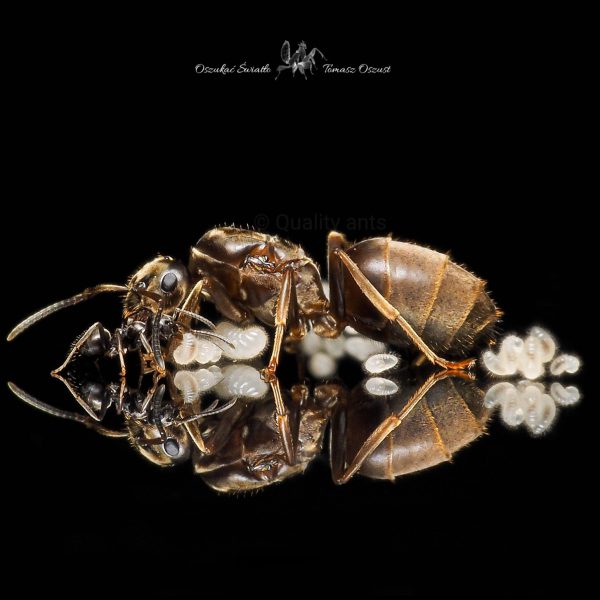
Lasius niger is één van de bekendste en meest voorkomende mierensoorten van Europa. In Nederland en België is deze soort vrijwel overal te vinden, van tuinen en grasvelden tot stoepen, parken en stedelijke gebieden. De soort is bijzonder succesvol doordat ze zich goed kan aanpassen aan uiteenlopende omstandigheden.
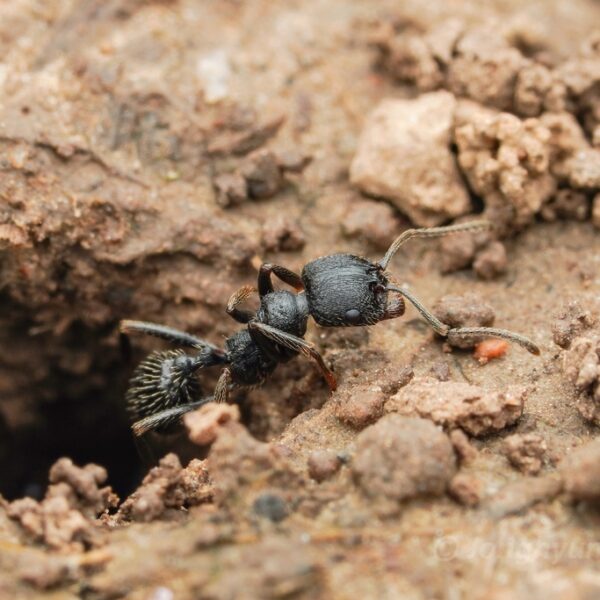
Werksters van Lasius niger zijn actief, nieuwsgierig en sterke voedselzoekers. Wanneer een goede voedselbron wordt ontdekt, kunnen werksters een geurspoor aanleggen waardoor snel meer mieren naar dezelfde plek worden geleid. Dit massale foerageergedrag maakt een grotere kolonie erg leuk om in een formicarium te observeren.
Door haar robuuste karakter, eenvoudige verzorging en duidelijke kolonieontwikkeling is Lasius niger één van de beste mierensoorten voor beginnende mierenhouders. Een gevestigde kolonie kan uiteindelijk uitgroeien tot enkele duizenden werksters.
Specificaties
Wetenschappelijke naam: Lasius niger
Nederlandse benaming: Zwarte wegmier
Verspreidingsgebied: Grote delen van Europa en Azië, waaronder Nederland en België
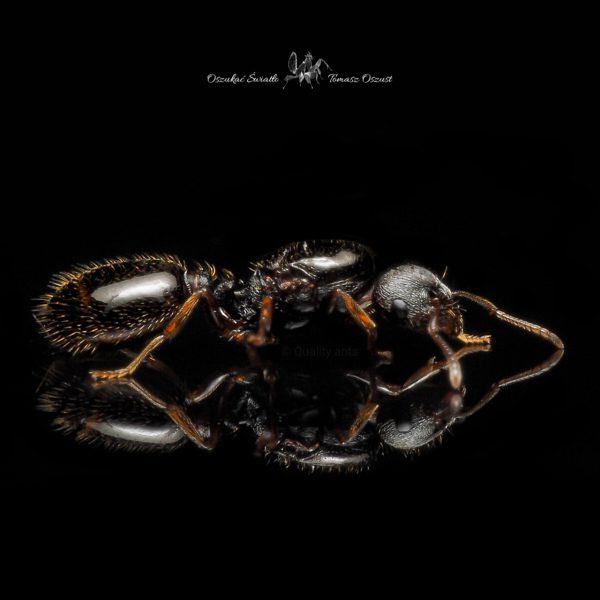
Kleur van de mier: Donkerbruin tot zwart
Moeilijkheidsgraad: 1 / 5
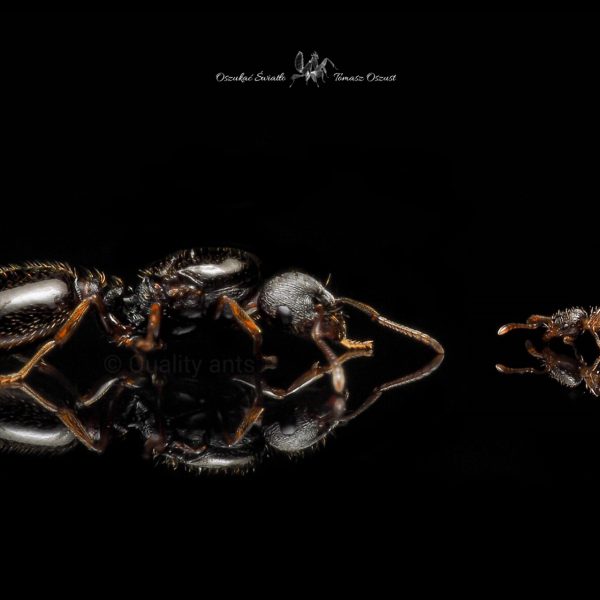
Afmeting koningin: ongeveer 8 – 10 mm
Afmeting werkster: ongeveer 3 – 5 mm
Afmeting soldaat: Niet aanwezig
Temperatuur: 18 – 26°C
Optimale temperatuur: 22 – 24°C
Winterrust: Ja, ongeveer november t/m februari/maart rond 5 – 10°C
Groeisnelheid: Gemiddeld tot snel
Maximale leeftijd koningin: ongeveer 15 – 20+ jaar
Maximale leeftijd werksters: ongeveer 1 – 2 jaar
Uitgroeien tot aantal werksters: enkele duizenden werksters
Onderfamilie: Formicinae
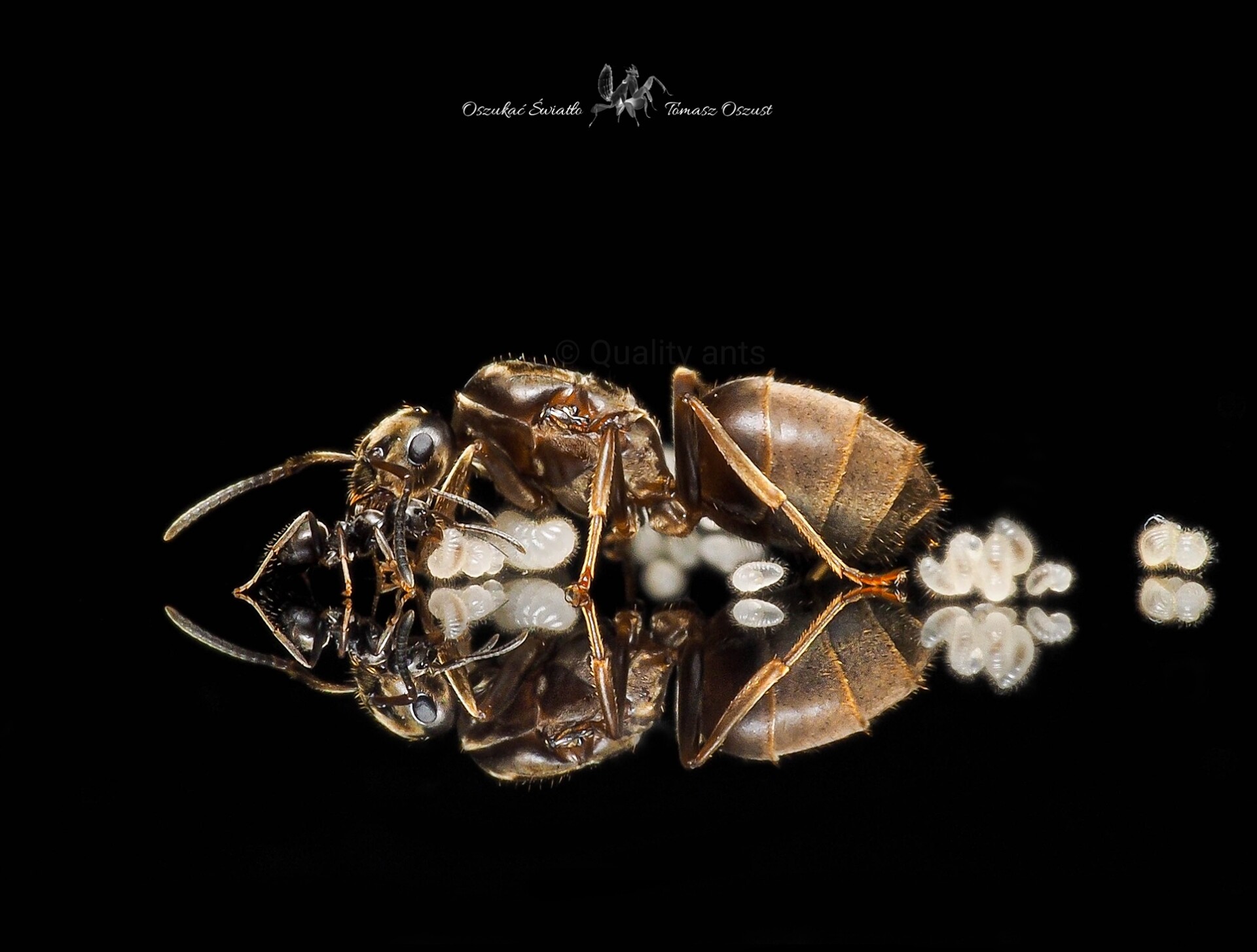
Stichting: Claustral, de koningin brengt de eerste werksters groot zonder tijdens de stichting gevoerd te worden
Kolonievorming: Monogyne, normaal één functionele koningin per volwassen kolonie
Voeding
Lasius niger is een omnivore mierensoort die zowel suikerrijke voeding als eiwitten nodig heeft voor een gezonde ontwikkeling van de kolonie.
Voeding: kleine insecten zoals fruitvliegen, buffalowormen, meelwormen, redrunners en kleine krekels.
Suikers: bijvoorbeeld suikerwater, honingwater, Nectra, Byformica Sunburst Ant Nectar, honingdauw en beetlejelly.
Suikers leveren voornamelijk energie aan de werksters. Eiwitrijke insecten zijn vooral belangrijk voor de groei en ontwikkeling van de larven en het overige broed.
Verzorging
Lasius niger is een sterke en vergevingsgezinde mierensoort. In de natuur nestelt deze soort voornamelijk in de bodem, onder stenen, langs bestrating en op andere beschutte plekken.
Een licht tot matig vochtig nest met een duidelijke vochtgradiënt werkt goed. Zorg ervoor dat een deel van het nest voldoende vochtig blijft voor het broed, terwijl andere kamers droger mogen zijn.
Vanaf hoeveel werksters naar een nest: ongeveer 30 – 50 werksters
Aanbevolen nest type: 3D nest, Ytong nest, gipsnest, acryl nest of zand/leemnest.
Omdat Lasius niger relatief kleine werksters heeft, is een goede ontsnappingsbeveiliging belangrijk. Naarmate de kolonie groter wordt neemt de activiteit in de arena sterk toe en zijn er steeds meer foeragerende werksters zichtbaar.
✅ Waarom kiezen voor Lasius niger
• Zeer geschikt als eerste mierensoort
• Sterke en eenvoudig te verzorgen kolonie
• Actief en duidelijk foerageergedrag
• Inheemse soort die ook in Nederland voorkomt
• Kan uitgroeien tot enkele duizenden werksters
• Interessant om de volledige ontwikkeling van koningin tot grote kolonie te volgen

Beoordelingen
Er zijn nog geen beoordelingen.