


Lasius flavus – Gele weidemier
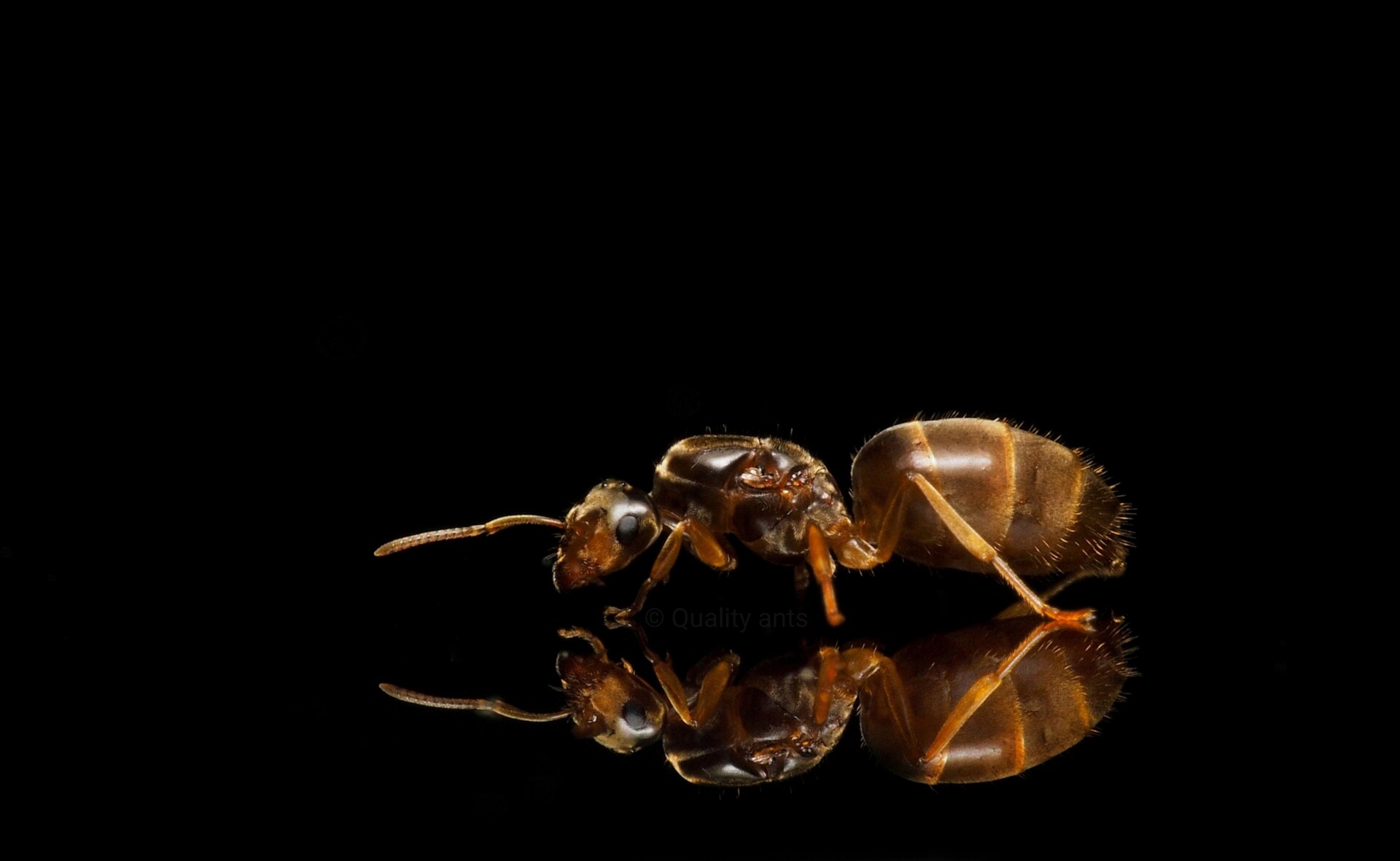
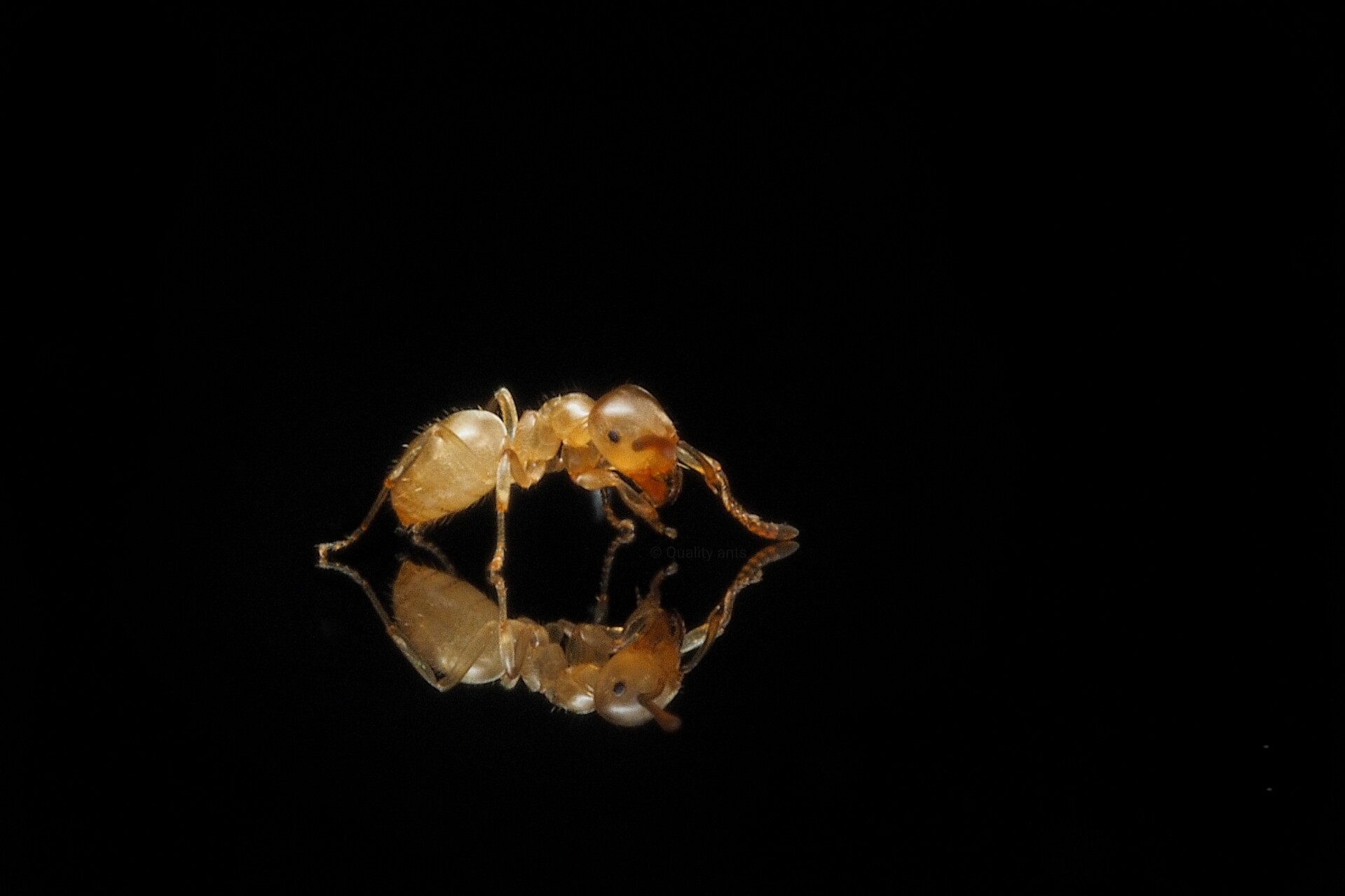
Lasius flavus is een kleine, rustige en interessante mierensoort die in grote delen van Europa voorkomt, waaronder Nederland en België. Deze soort valt direct op door haar geel tot geelbruine werksters en haar grotendeels ondergrondse levenswijze. In de natuur worden kolonies veel gevonden in graslanden, weilanden, bermen en tuinen, waar ze uitgebreide nesten in de bodem aanleggen.
Werksters van Lasius flavus komen in de natuur minder vaak bovengronds dan veel andere mierensoorten. Een belangrijk deel van hun voedsel bestaat uit honingdauw van wortelluizen die ondergronds op plantenwortels leven. In gevangenschap accepteren ze daarnaast goed suikerrijke vloeistoffen en kleine insecten.
Door hun rustige karakter, eenvoudige verzorging en beperkte agressiviteit is Lasius flavus een geschikte soort voor beginnende mierenhouders. De koloniegroei is vooral in het begin rustig, maar een gevestigde kolonie kan uiteindelijk uitgroeien tot enkele duizenden werksters.
Specificaties
Wetenschappelijke naam: Lasius flavus
Nederlandse benaming: Gele weidemier
Verspreidingsgebied: Europa en delen van West-Azië
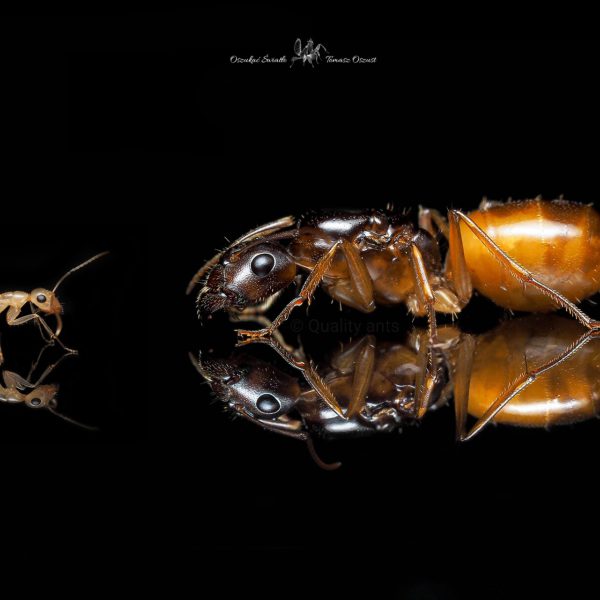
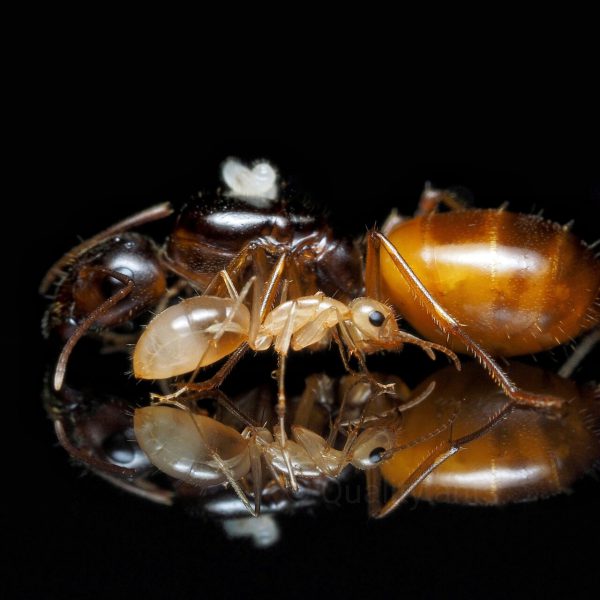
Kleur van de mier: Geel tot geelbruin; de koningin is duidelijk donkerder
Moeilijkheidsgraad: 1 / 5
Afmeting koningin: 7 – 9 mm
Afmeting werkster: 2 – 4,5 mm
Afmeting soldaat: Niet aanwezig
Temperatuur: 18 – 25°C
Optimale temperatuur: 21 – 24°C
Winterrust: Ja, ongeveer november t/m februari/maart rond 5 – 10°C
Groeisnelheid: Langzaam tot gemiddeld
Maximale leeftijd koningin: ongeveer 15 – 20 jaar
Maximale leeftijd werksters: ongeveer 1 – 2 jaar
Uitgroeien tot aantal werksters: enkele duizenden werksters
Onderfamilie: Formicinae
Stichting: Claustral: de koningin kan de eerste werksters grootbrengen zonder tijdens de stichting gevoerd te worden
Kolonievorming: Meestal monogyne: kolonies kunnen meerdere koninginnen bevatten.
Voeding
Lasius flavus leeft in de natuur voor een groot deel van honingdauw van ondergrondse wortelluizen. In een formicarium kan de soort eenvoudig worden gevoerd met een combinatie van suikers en kleine eiwitbronnen.
Voeding: kleine insecten zoals fruitvliegen, buffalowormen, kleine meelwormen, kleine krekels en stukjes redrunner.
Suikers: bijvoorbeeld suikerwater, honingwater, Nectra en andere geschikte nectarvoeding.
Voor de ontwikkeling van larven is het belangrijk regelmatig kleine insecten als eiwitbron aan te bieden.
Verzorging
Lasius flavus houdt van een licht tot matig vochtig nest. Omdat deze soort van nature voornamelijk ondergronds leeft, voelt zij zich prettig in een relatief beschut nest met voldoende vochtgradiënt.
De soort kan uitstekend worden gehouden in een klein formicarium. Omdat de werksters klein zijn, is een goede ontsnappingsbeveiliging belangrijk.
Vanaf hoeveel werksters naar een nest: ongeveer 30 – 50 werksters
Aanbevolen nest type:
Ytong nest, gipsnest, 3D nest, acryl nest of zand/leemnest
Lasius flavus is meestal minder zichtbaar in de arena dan bijvoorbeeld Formica- of Pheidole-soorten. Juist het rustige, natuurlijke nestgedrag maakt deze soort interessant voor liefhebbers die graag de ontwikkeling van een ondergronds levende kolonie volgen.
✅ Waarom kiezen voor Lasius flavus
• Opvallende geelgekleurde werksters
• Inheemse Europese mierensoort
• Rustig en relatief eenvoudig te verzorgen
• Zeer geschikt als beginnerssoort
• Interessante grotendeels ondergrondse levenswijze
• Kan jarenlang worden gehouden bij goede verzorging

Beoordelingen
Er zijn nog geen beoordelingen.