

Camponotus barbaricus – Mediterrane reuzenmier
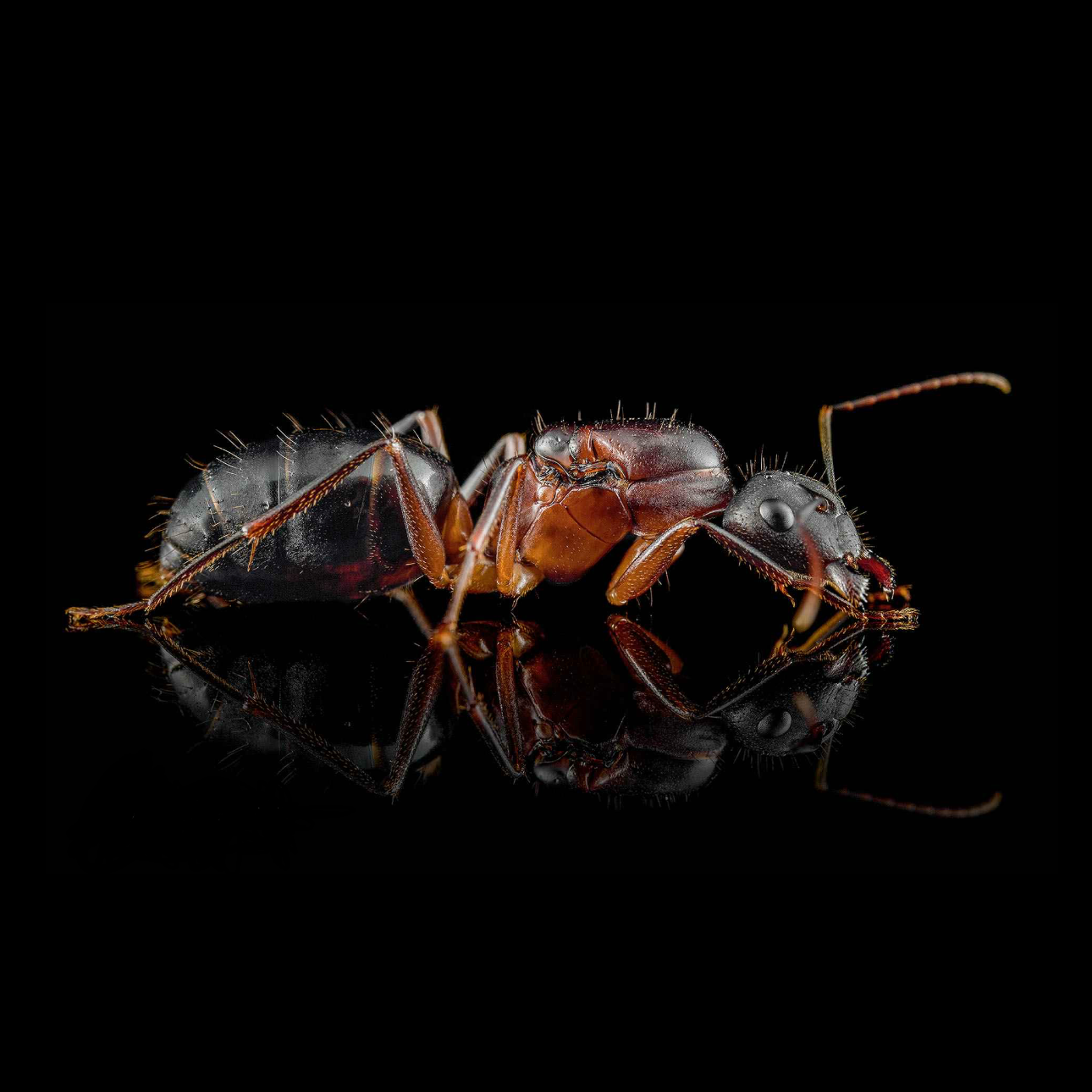
Camponotus barbaricus is een van de grootste en meest indrukwekkende mierensoorten uit Zuid-Europa. Deze soort is geliefd vanwege haar grote formaat, prachtige rood-zwarte kleur, rustige karakter en duidelijke polymorfisme. Naarmate de kolonie groeit, ontstaan er naast kleinere werksters ook grote majors met een opvallend brede kop en krachtige kaken.
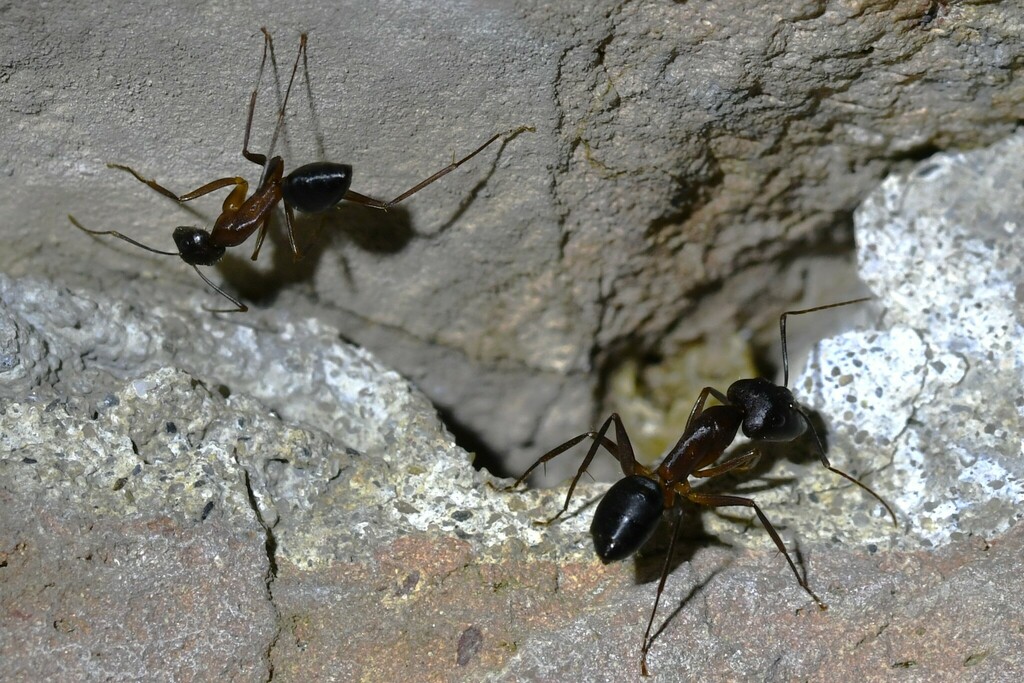
In de natuur komt Camponotus barbaricus voor in Spanje en Portugal, waar kolonies leven in warme, droge gebieden. Ze nestelen zich voornamelijk in de bodem onder stenen, tussen boomwortels of in droge, zandige grond. Werksters zijn vooral actief tijdens de warmere uren van de dag en verzamelen suikerrijke vloeistoffen en insecten voor de kolonie.
De kolonie groeit langzaam tijdens de eerste jaren, zoals kenmerkend is voor veel Camponotus-soorten. Zodra de kolonie groter wordt, neemt de groeisnelheid toe en verschijnen de eerste indrukwekkende majors. Door hun rustige gedrag, grote formaat en prachtige uiterlijk behoort Camponotus barbaricus tot de populairste reuzenmieren onder mierenhouders.
Specificaties
Wetenschappelijke naam: Camponotus barbaricus
Nederlandse benaming: Mediterrane reuzenmier
Verspreidingsgebied: Spanje en Portugal
Kleur van de mier: Zwart met roodbruine borststuk en poten
Moeilijkheidsgraad: 2 / 5
Afmeting koningin: 15 – 18 mm
Afmeting werkster: 6 – 12 mm
Afmeting soldaat (majors): 13 – 16 mm
Temperatuur: 22 – 30°C
Optimale temperatuur: 25 – 28°C
Winterrust: Ja, van ongeveer november t/m februari rond 10 – 15°C
Groeisnelheid: Langzaam tot gemiddeld
Maximale leeftijd koningin: ongeveer 15 – 20 jaar
Maximale leeftijd werksters: 1 – 3 jaar
Uitgroeien tot aantal werksters: +- 5.000 – 10.000 werksters
Onderfamilie: Formicinae
Stichting: Claustral (koningin start zelfstandig zonder voeding)
Kolonievorming: Monogyne (1 koningin per nest)
Voeding
Camponotus barbaricus is een omnivore mierensoort die zowel eiwitten als suikers nodig heeft voor een gezonde ontwikkeling van de kolonie.
Voeding: insecten zoals redrunners, krekels, meelwormen, buffalowormen, dubia’s en fruitvliegen.
Suikers: Byformica Sunburst Ant Nectar, suikerwater, honingwater en beetlejelly.
Tijdens de groei van de kolonie is een gevarieerd aanbod van eiwitrijke insecten belangrijk voor een gezonde ontwikkeling van het broed.
Verzorging
Camponotus barbaricus houdt van een droog tot licht vochtig nest met een kleine vochtige zone voor het broed. De soort profiteert van een warme omgeving en ontwikkelt zich het snelst bij temperaturen tussen 25 en 28°C.
Door hun grote formaat zijn de mieren uitstekend te observeren. Ze zijn over het algemeen rustig, maar majors kunnen hun krachtige kaken gebruiken wanneer de kolonie zich bedreigd voelt.
Vanaf hoeveel werksters naar een nest: +- 20 – 30 werksters
Aanbevolen nest type:
3D nest, Ytong nest, acryl nest, gipsnest
Een arena met zand of zand/leem zorgt voor een natuurlijke uitstraling en stimuleert natuurlijk foerageergedrag.
✅ Waarom kiezen voor Camponotus barbaricus
• Eén van de grootste mierensoorten van Europa
• Prachtige rood-zwarte kleurstelling
• Indrukwekkende majors met grote koppen
• Rustig en goed observeerbaar gedrag
• Geschikt voor beginners en gevorderden
• Lange levensduur van de koningin
Beoordelingen
Er zijn nog geen beoordelingen.