

Crematogaster auberti – Mediterrane acrobaatmier
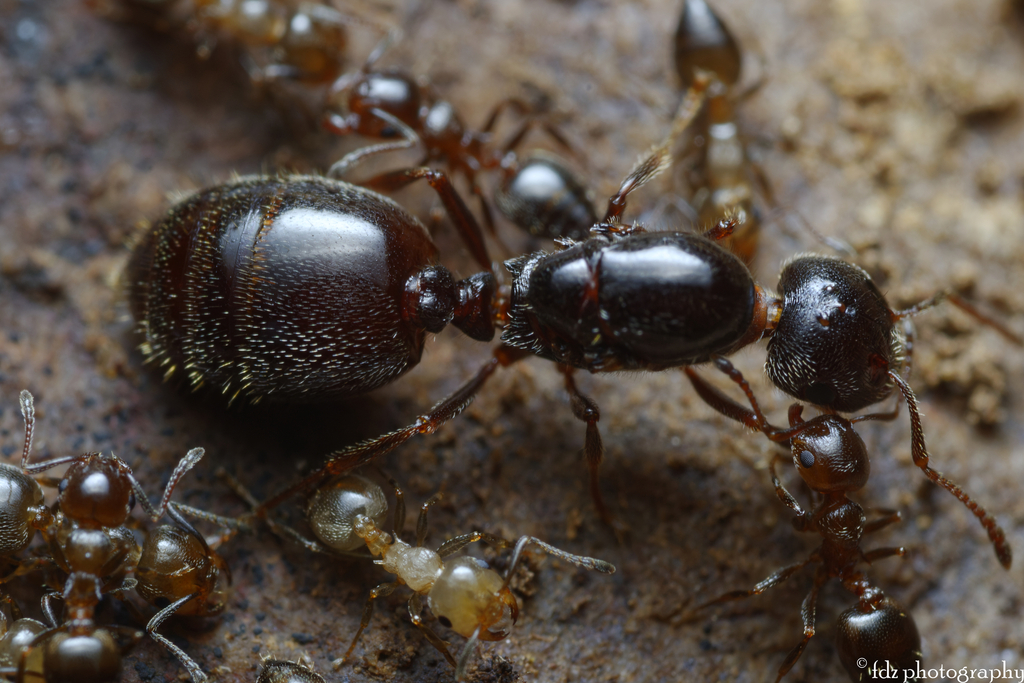
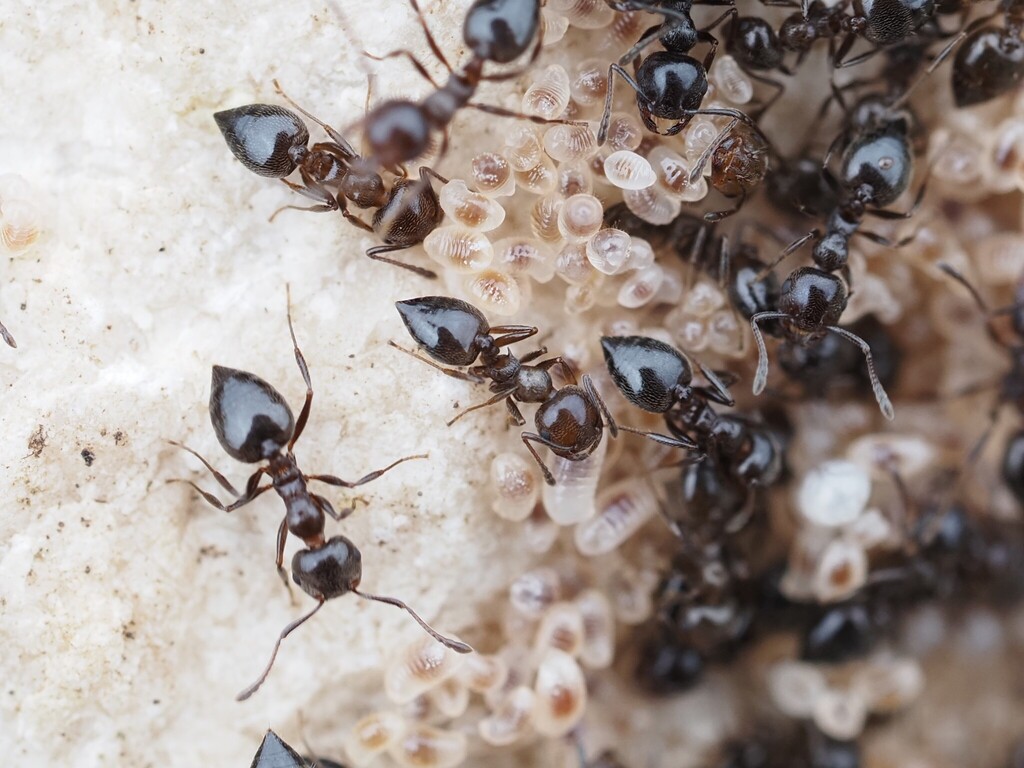
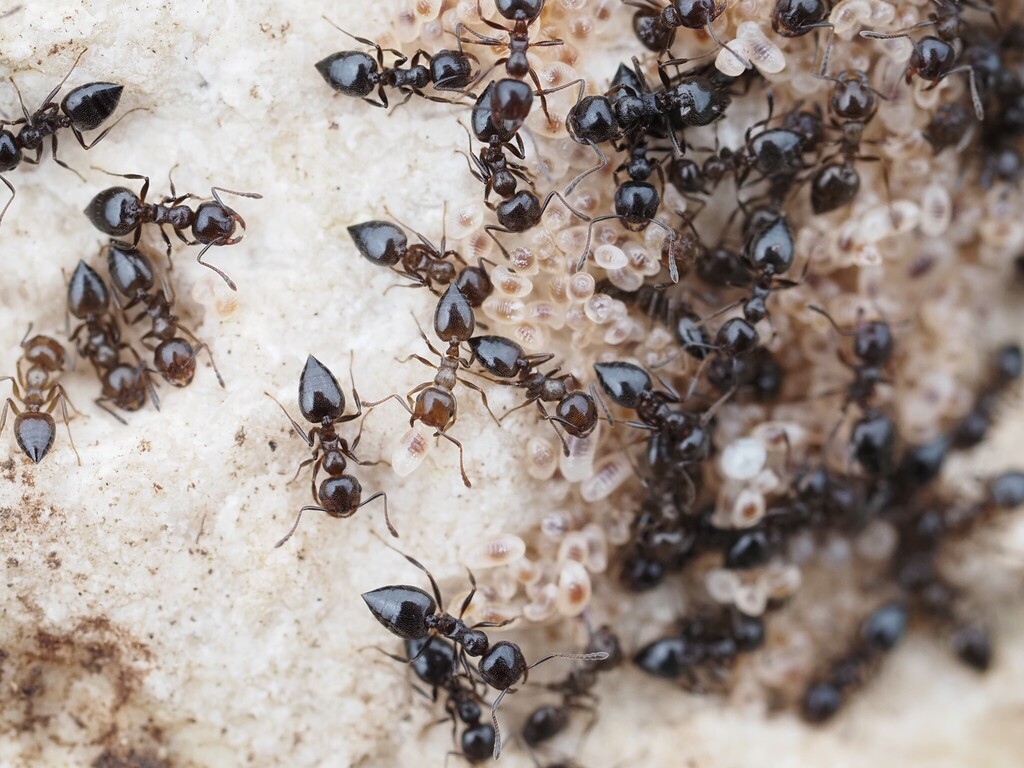
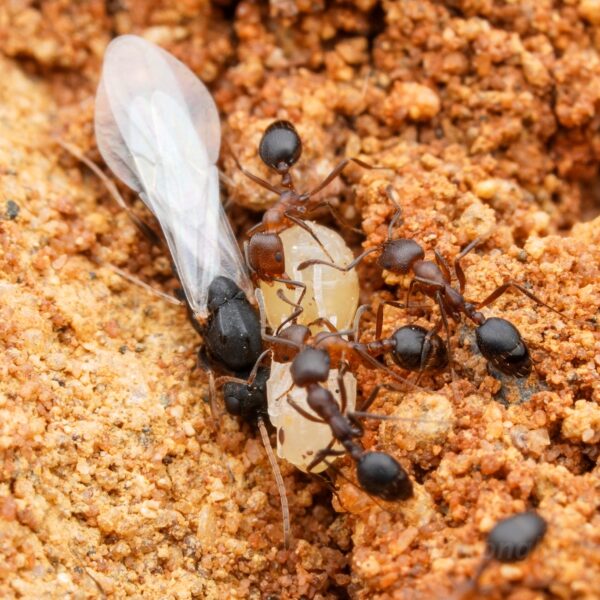
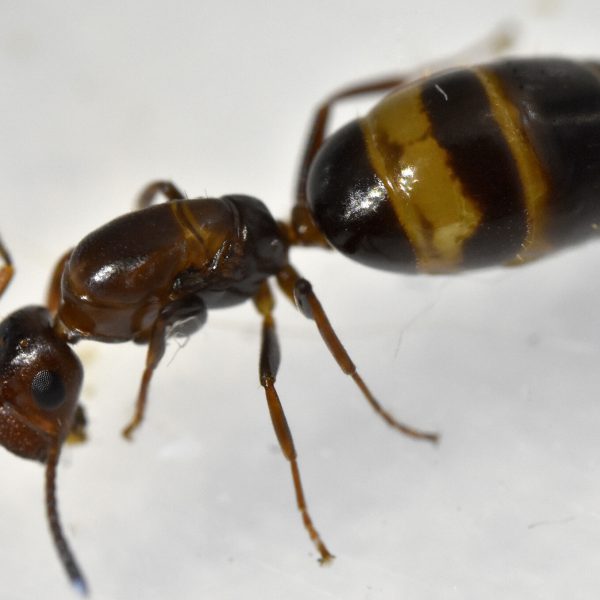
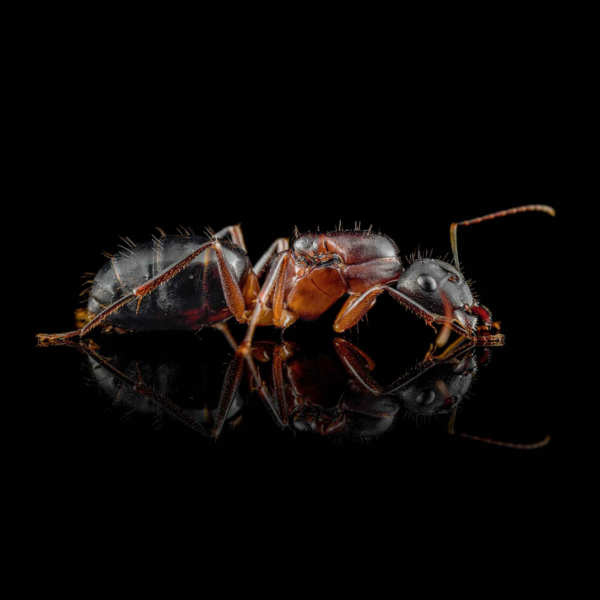
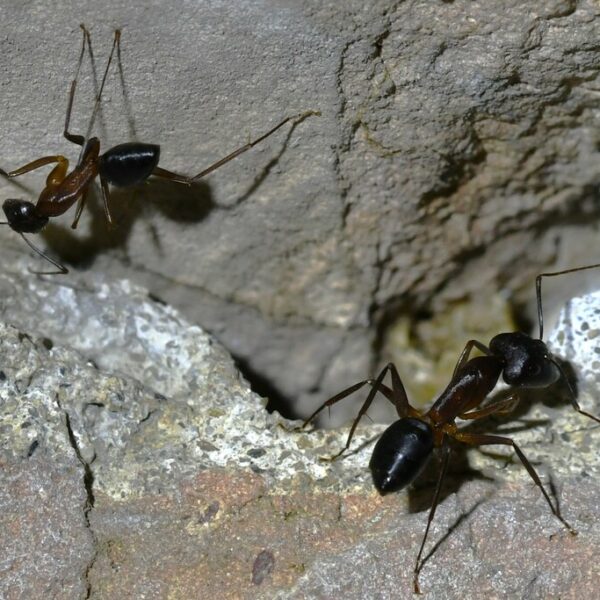
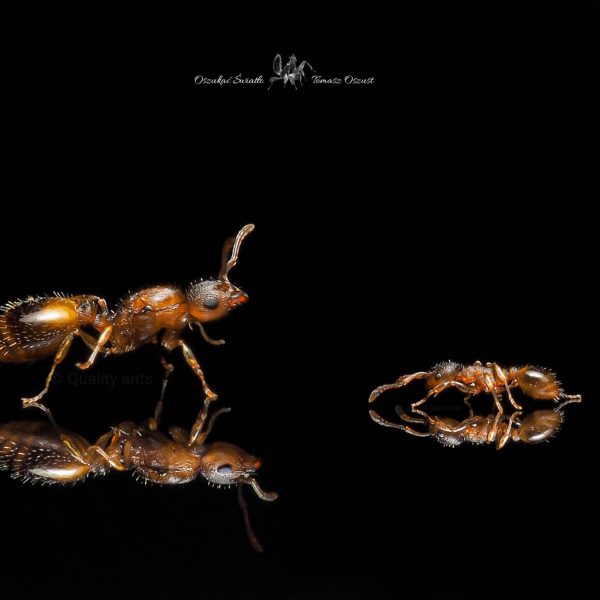
Crematogaster auberti is een actieve en interessante mierensoort uit het Middellandse Zeegebied. De soort heeft het karakteristieke uiterlijk van Crematogaster, met een opvallend hartvormig achterlijf dat omhoog kan worden gebogen wanneer de mieren worden verstoord of zich verdedigen.
In de natuur komt Crematogaster auberti voor in warme en relatief droge gebieden. De soort heeft een brede verspreiding rond het westelijke Middellandse Zeegebied en wordt onder andere aangetroffen op het Iberisch Schiereiland, in Zuid-Frankrijk en Noord-Afrika. Kolonies kunnen gebruikmaken van kleine holtes als nestplaats.
Werksters zijn actief en kunnen duidelijke geursporen naar voedselbronnen vormen. Wanneer voedsel wordt gevonden, kunnen andere werksters snel worden gerekruteerd. Hierdoor kan een grotere kolonie bijzonder levendig worden tijdens het voeren.
Crematogaster auberti is monogyn en heeft dus normaal één koningin per kolonie. De werksters hebben geen aparte soldatenkaste. Door hun interessante foerageergedrag, karakteristieke achterlijf en Mediterrane levenswijze is deze soort aantrekkelijk voor zowel beginnende houders met enige voorbereiding als ervaren mierenhouders.
Specificaties
Wetenschappelijke naam: Crematogaster auberti
Nederlandse benaming: Mediterrane acrobaatmier
Verspreidingsgebied: Westelijk Middellandse Zeegebied, waaronder Zuid-Frankrijk, Spanje, Portugal, Noord-Afrika en aangrenzende gebieden
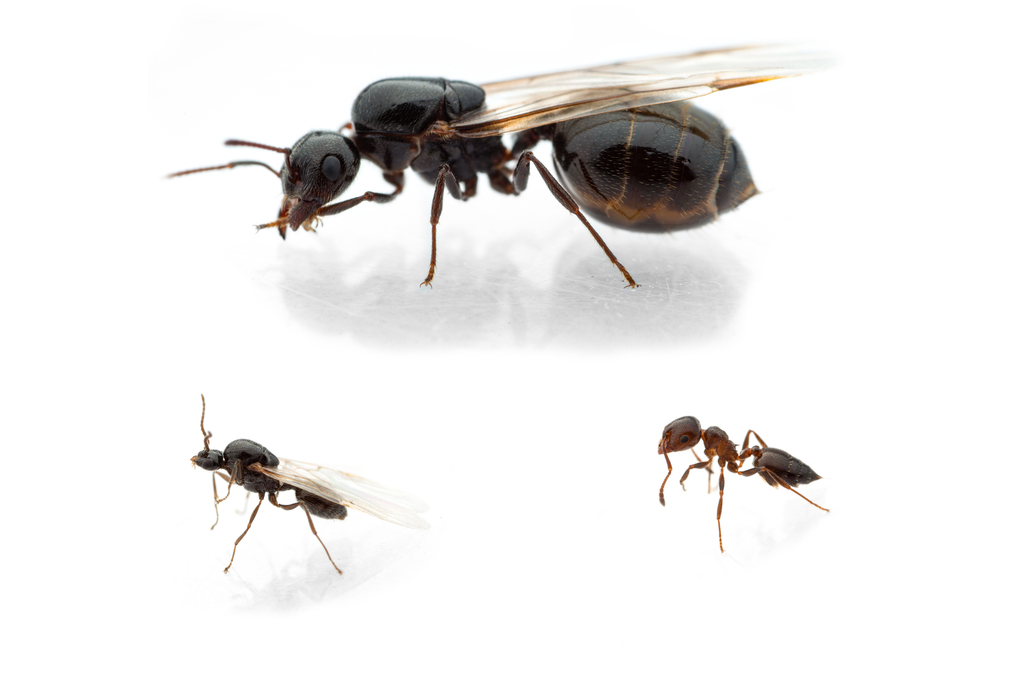
Kleur van de mier: Bruin tot donkerbruin, vaak met roodbruine tinten
Moeilijkheidsgraad: 2 / 5
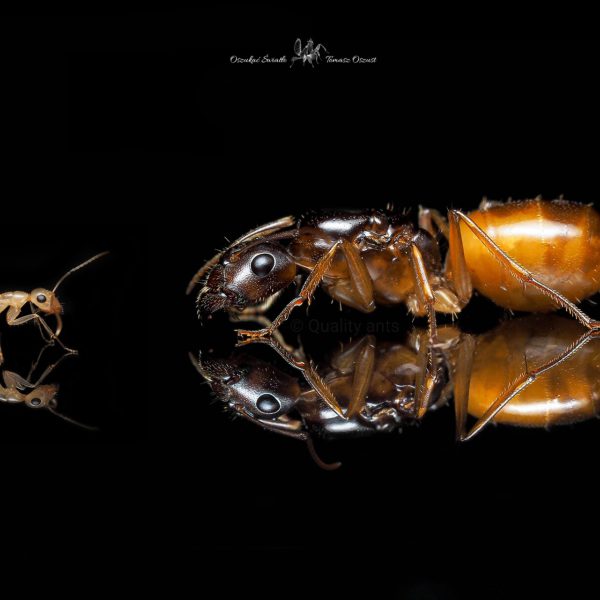
Afmeting koningin: ongeveer 6 – 9 mm
Afmeting werkster: ongeveer 2,5 – 4 mm
Afmeting soldaat: Niet aanwezig
Temperatuur: ongeveer 21 – 28°C
Optimale temperatuur: ongeveer 24 – 27°C
Winterrust: Ja, ongeveer november t/m februari rond 12 – 15°C
Groeisnelheid: Langzaam tijdens de stichting, daarna gemiddeld
Maximale leeftijd koningin: meerdere jaren onder goede omstandigheden
Maximale leeftijd werksters: afhankelijk van temperatuur, voeding en omstandigheden
Uitgroeien tot aantal werksters: enkele honderden tot mogelijk grotere kolonies, afhankelijk van omstandigheden
Onderfamilie: Myrmicinae
Stichting: Claustral; de koningin kan de eerste generatie werksters zelfstandig grootbrengen
Kolonievorming: Monogyn, normaal één koningin per kolonie
Voeding
Crematogaster auberti is een omnivore mierensoort die zowel koolhydraatrijke voeding als dierlijke eiwitten nodig heeft.
Voeding: kleine insecten zoals fruitvliegen, redrunners, kleine krekels, buffalowormen en stukjes meelworm of dubia.
Suikers: bijvoorbeeld Byformica Sunburst Ant Nectar, suikerwater, honingwater en andere geschikte nectarvoeding.
Suikerrijke voeding levert energie aan de actieve werksters. Eiwitrijke insecten zijn vooral belangrijk voor de ontwikkeling van de larven en de groei van de kolonie.
Vers drinkwater moet altijd beschikbaar zijn.
Verzorging
Crematogaster auberti is aangepast aan relatief warme en droge omstandigheden. Het nest kan daarom overwegend droog tot licht vochtig worden gehouden. Zorg voor een vochtgradiënt en voorkom dat het volledige nest voortdurend nat is.
De soort kan goed tegen relatief droge omstandigheden, maar moet altijd toegang hebben tot drinkwater en een licht vochtige nestzone.
Door het kleine formaat van de werksters is goede ontsnappingsbeveiliging belangrijk. Controleer kleine openingen bij ventilatie, slangverbindingen en deksels zorgvuldig.
Vanaf hoeveel werksters naar een nest: ongeveer 20 – 30 werksters
Aanbevolen nest type: klein 3D nest, kurk- of houtnest, Ytong nest, gipsnest of goed afgesloten acryl nest
Naarmate de kolonie groeit neemt de activiteit sterk toe en worden voedselbronnen sneller ontdekt. Het typische Crematogaster-gedrag, waarbij het hartvormige achterlijf omhoog wordt gebracht, maakt deze soort bijzonder leuk om te observeren.
✅ Waarom kiezen voor Crematogaster auberti
• Karakteristiek hartvormig achterlijf
• Actieve Mediterrane mierensoort
• Interessant foerageer- en rekruteringsgedrag
• Goed bestand tegen relatief droge omstandigheden
• Geen soldatenkaste
• Monogyne kolonievorming
• Goed observeerbaar gedrag tijdens het voeren
• Interessant voor liefhebbers van Crematogaster-soorten



Beoordelingen
Er zijn nog geen beoordelingen.