Mierenkolonie kopen bij Quality Ants
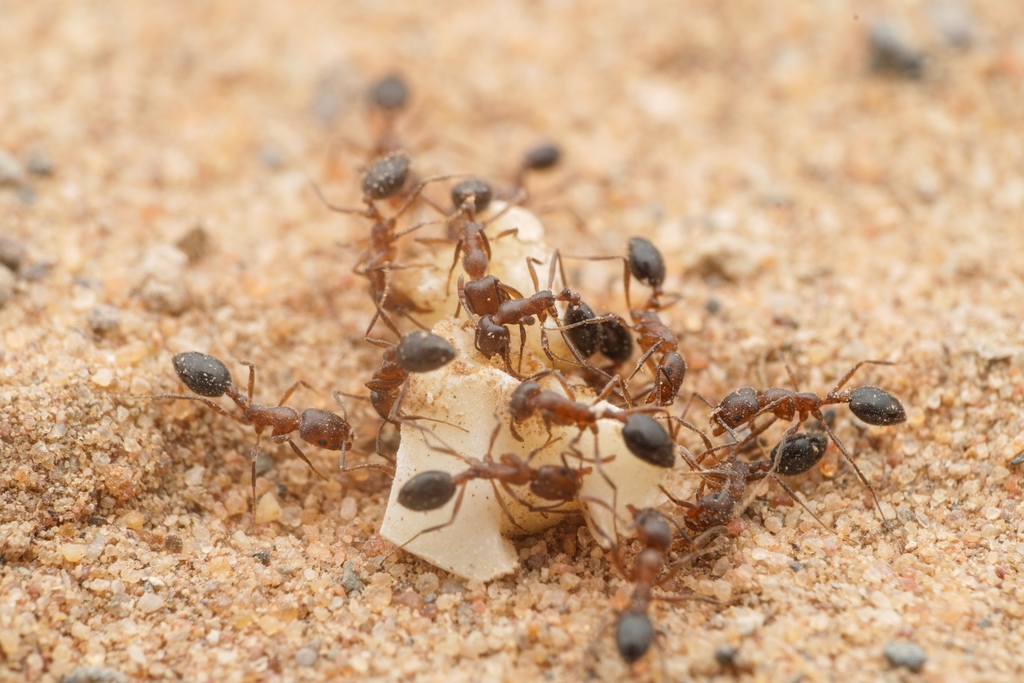
Wil je een mierenkolonie kopen en de ontwikkeling van een echte kolonie van dichtbij volgen? Bij Quality Ants vind je een uitgebreid assortiment mierenkolonies voor zowel beginnende als ervaren mierenhouders. Van kleine startkolonies met een koningin en enkele werksters tot grotere, actieve kolonies met tientallen of honderden werksters.
Iedere mierensoort heeft zijn eigen eigenschappen, gedrag en verzorgingsbehoeften. Daarom is het belangrijk om een mierenkolonie te kiezen die past bij jouw ervaring, beschikbare ruimte en de omstandigheden die je kunt bieden. Bekijk ook ons actuele assortiment mieren om verschillende soorten en koloniegroottes te vergelijken.
Waarom een mierenkolonie kopen?
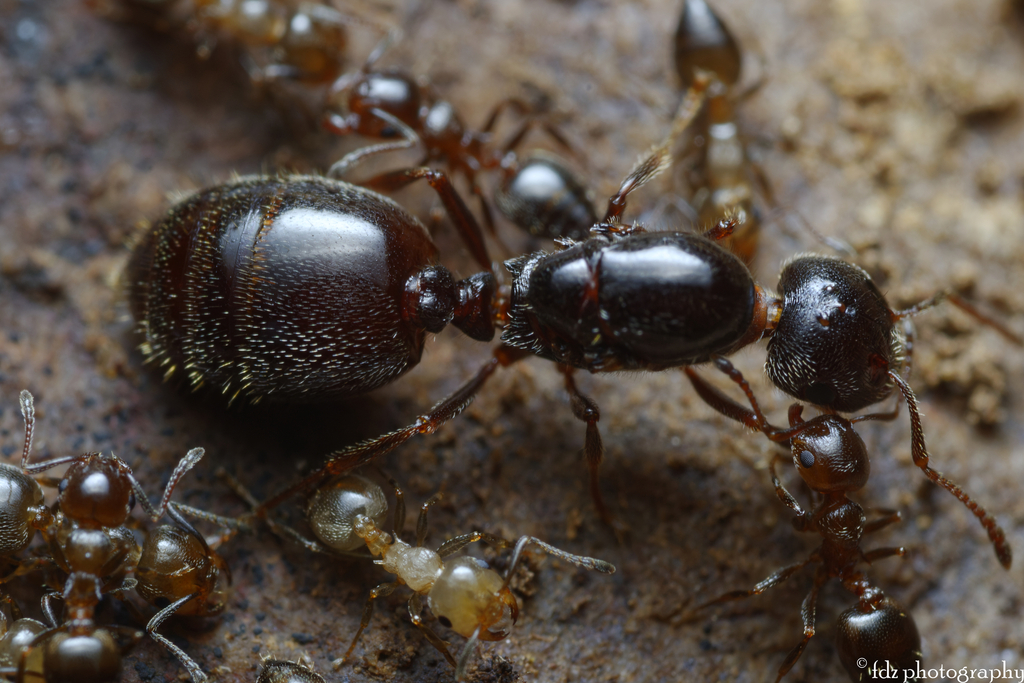
Een mierenkolonie vormt een complete samenleving in het klein. De koningin vormt het hart van de kolonie en zorgt voor nieuwe generaties, terwijl de werksters verschillende taken uitvoeren. Ze verzorgen het broed, verzamelen voedsel, onderhouden het nest en reageren gezamenlijk op veranderingen in hun omgeving.
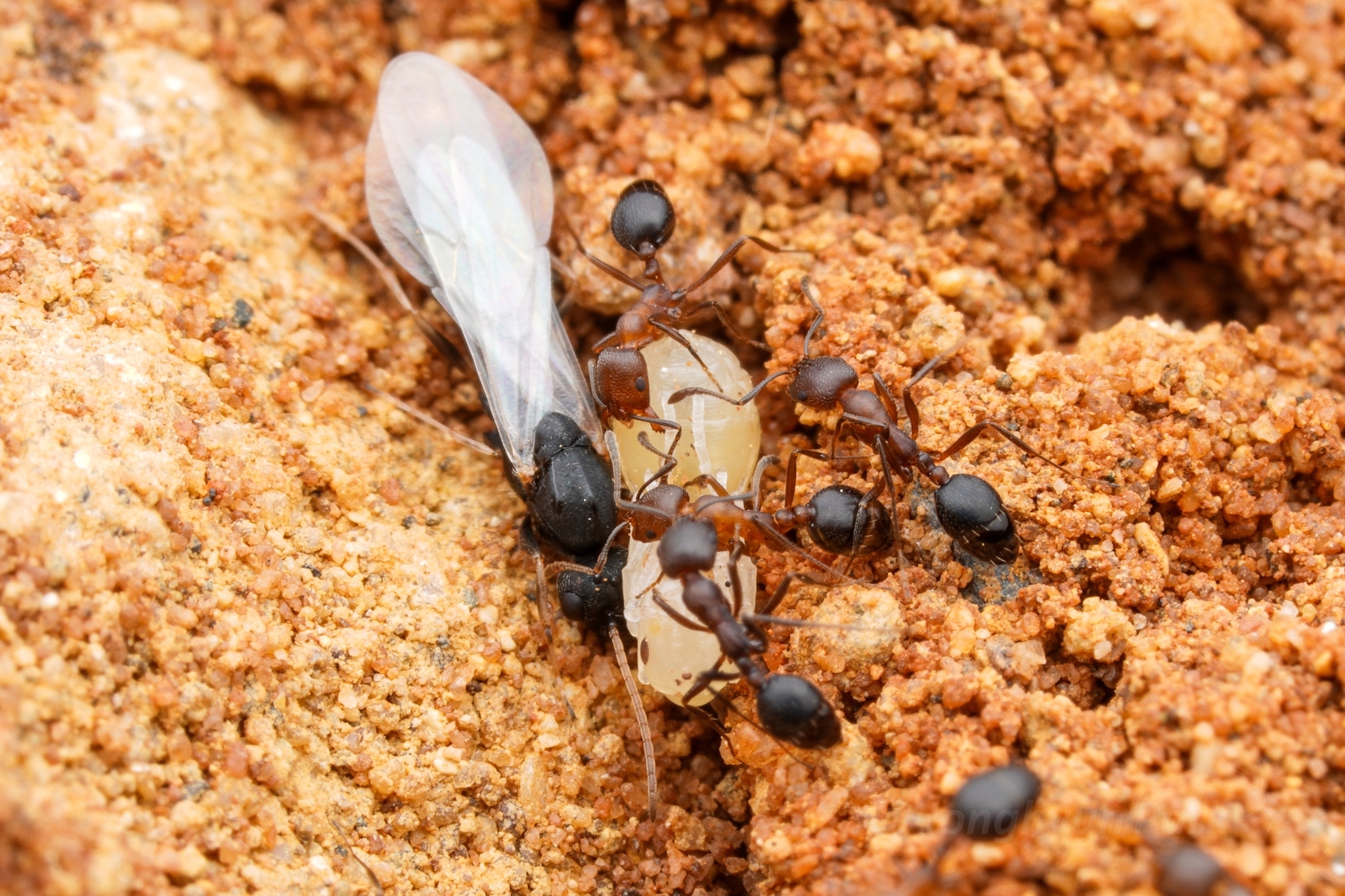
Juist doordat een kolonie zich voortdurend ontwikkelt, blijft het houden van mieren interessant. Een kleine startkolonie kan na verloop van tijd uitgroeien tot een indrukwekkende kolonie met honderden of zelfs duizenden werksters, afhankelijk van de mierensoort.
Kleine of grote mierenkolonie kopen?
Bij het kiezen van een mierenkolonie is de koloniegrootte een belangrijk aandachtspunt. Een grotere kolonie is niet automatisch een betere keuze. Welke grootte geschikt is, hangt af van jouw ervaring en van wat je graag wilt observeren.
Kleine startkolonie
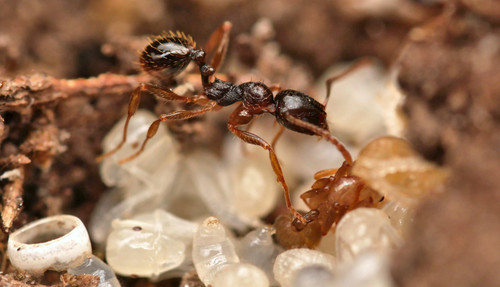
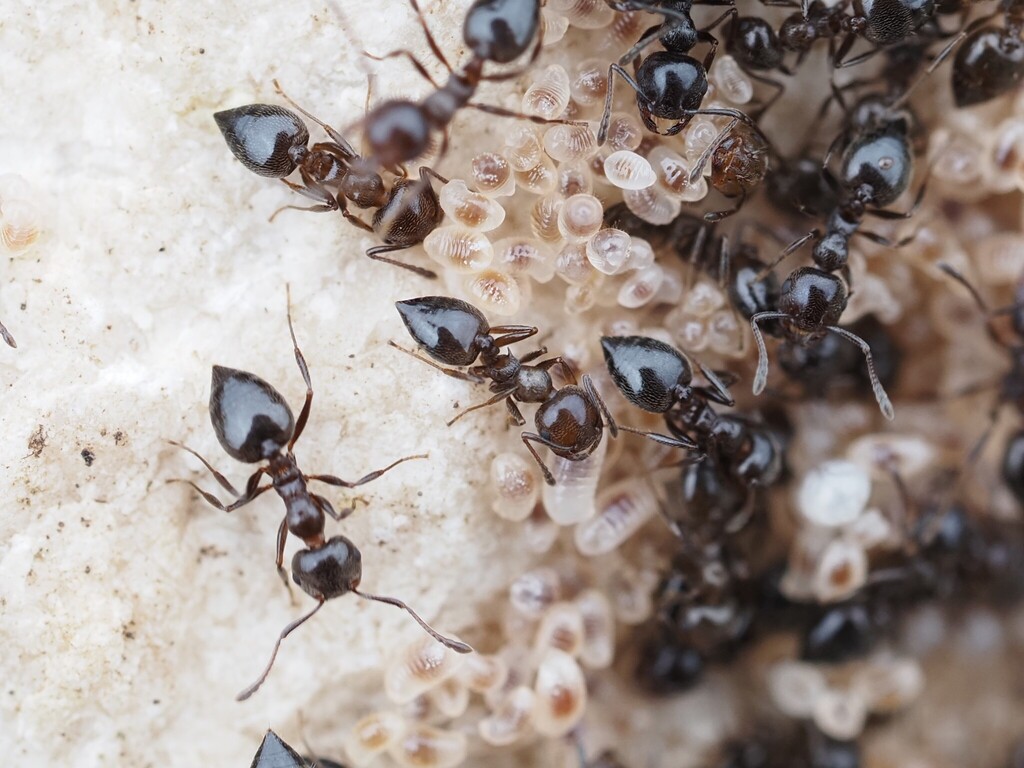
Een kleine kolonie bestaat meestal uit een koningin met een beperkt aantal werksters en vaak ook broed. Dit geeft je de mogelijkheid om vrijwel de volledige groei van de kolonie mee te maken. Je ziet hoe steeds nieuwe generaties werksters verschijnen en hoe het gedrag verandert naarmate de kolonie groter wordt.
Kleine kolonies hebben bovendien nog weinig ruimte nodig en kunnen bij veel soorten aanvankelijk in een geschikte reageerbuisopstelling worden gehouden.
Grotere mierenkolonie
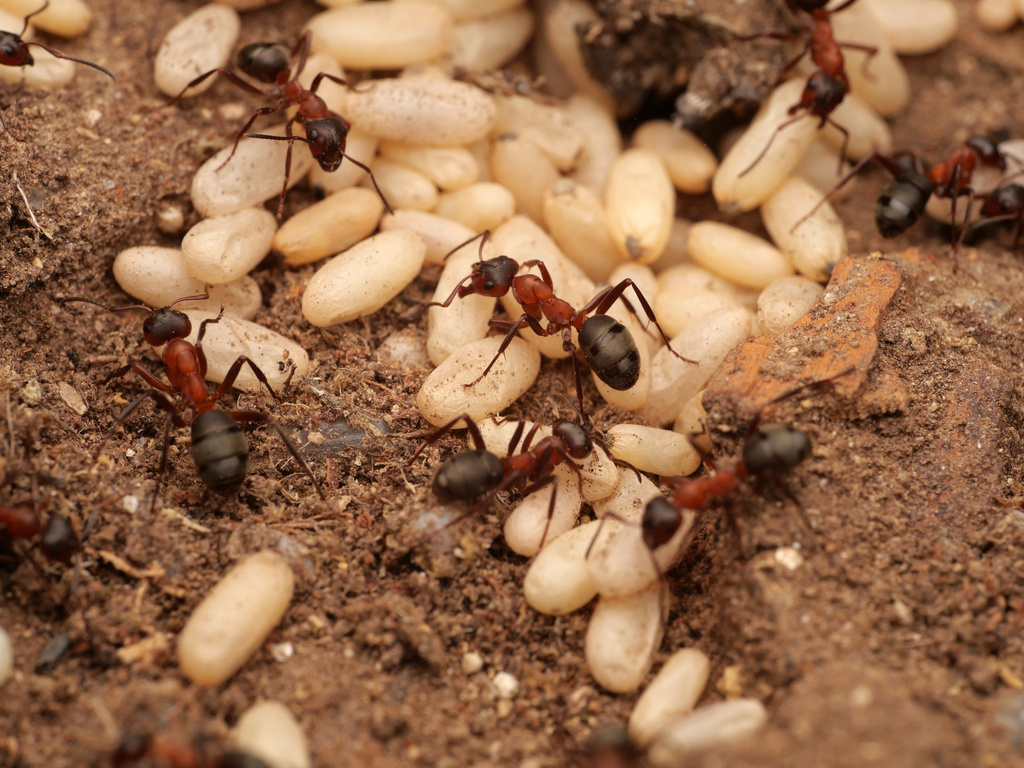
Wil je direct meer activiteit zien, dan kan een grotere mierenkolonie interessant zijn. Met tientallen of honderden werksters zie je doorgaans duidelijker foerageergedrag, voedseltransport, broedverzorging en samenwerking tussen de werksters.
Een grotere kolonie vraagt vanzelfsprekend ook om meer voedsel en voldoende nest- en foerageerruimte. Zorg daarom dat de huisvesting geschikt is voor de koloniegrootte die je aanschaft.
Welke mierenkolonie is geschikt voor beginners?
Wanneer je jouw eerste mierenkolonie wilt kopen, is een relatief sterke en goed te verzorgen soort meestal de verstandigste keuze. Hiermee kun je ervaring opdoen met voeding, bevochtiging, temperatuur, nestonderhoud en de normale ontwikkeling van een kolonie.
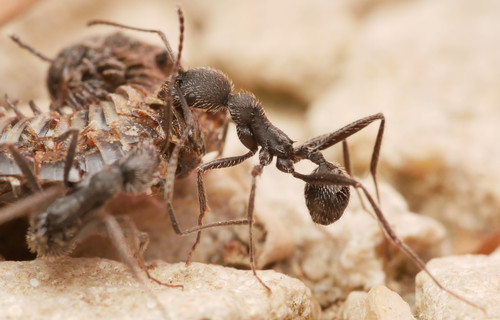
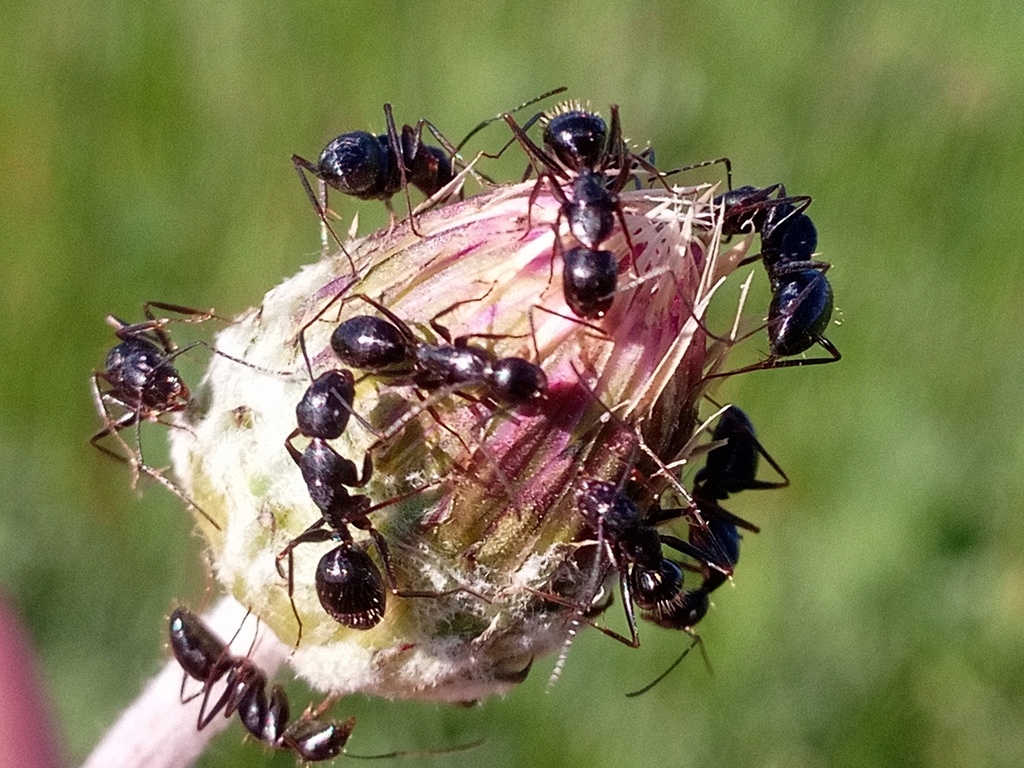
Lasius niger is een bekende Europese mier die veel wordt gehouden. Ook Messor barbarus is populair. Deze mediterrane oogstmier staat bekend om het verzamelen en verwerken van zaden en kan bij geschikte verzorging uitgroeien tot een grote en actieve kolonie.
Naast deze bekende soorten zijn er veel andere mogelijkheden. Kijk bij het kiezen niet alleen naar het uiterlijk, maar vooral naar de verzorgingseisen en uiteindelijke grootte van de kolonie.
Europese en exotische mierenkolonies
Bij Quality Ants vind je zowel Europese als exotische mierenkolonies. Europese soorten zijn interessant vanwege hun natuurlijke seizoensritme en zijn bij sommige soorten relatief eenvoudig te verzorgen. Houd er rekening mee dat verschillende Europese soorten een winterrust of diapauze nodig hebben.
Exotische soorten kunnen juist interessant zijn vanwege hun opvallende kleuren, formaat of gedrag. Denk bijvoorbeeld aan verschillende Camponotus-soorten en bijzondere genera zoals Harpegnathos en Oecophylla. Sommige exotische soorten stellen hogere eisen aan temperatuur, luchtvochtigheid, voeding of huisvesting en zijn daarom geschikter voor ervaren houders.
Wat heb je nodig voor een mierenkolonie?
Voordat je een mierenkolonie aanschaft, is het verstandig om de benodigde huisvesting en verzorgingsproducten klaar te hebben. Wat je precies nodig hebt, verschilt per soort en koloniegrootte.
De basis bestaat meestal uit geschikte huisvesting, een buitenwereld wanneer de kolonie daar groot genoeg voor is, voedsel, water en goede uitbraakpreventie. Voor beginners kan een complete mieren starterset een eenvoudige manier zijn om verschillende benodigdheden direct te combineren.
Het juiste mierennest voor jouw kolonie
Naarmate een mierenkolonie groeit, ontstaat er behoefte aan meer nestoppervlak. Het is belangrijk om het formaat van het nest af te stemmen op de koloniegrootte. Een zeer kleine kolonie direct in een groot nest plaatsen is meestal niet nodig.
Er bestaan verschillende soorten huisvesting, waaronder gipsnesten, zandnesten, acrylnesten en 3D-geprinte formicaria. Ook modulaire mierennesten zijn interessant omdat deze later kunnen worden uitgebreid wanneer de kolonie groeit.
Bekijk onze mierennesten en formicaria voor verschillende mogelijkheden.
Voeding voor een gezonde mierenkolonie
Een passende voeding is essentieel voor de ontwikkeling van een mierenkolonie. Welke voeding nodig is, hangt sterk af van de soort.
Veel mierensoorten gebruiken koolhydraatrijke voedselbronnen voor energie. Eiwitten zijn bij veel soorten belangrijk voor de ontwikkeling van larven en worden bijvoorbeeld verkregen uit geschikte voederinsecten. Oogstmieren zoals Messor gebruiken voornamelijk zaden als belangrijke voedingsbron.
Gebruik daarom altijd voeding die aansluit bij de natuurlijke behoeften van jouw soort. Bekijk hiervoor ons assortiment mierenvoeding.
Hoe snel groeit een mierenkolonie?
De groeisnelheid van een mierenkolonie verschilt sterk per soort. Ook temperatuur, voeding, leeftijd van de kolonie en andere omstandigheden hebben invloed op de ontwikkeling.
Sommige kolonies groeien langzaam en gecontroleerd, terwijl andere soorten onder goede omstandigheden relatief snel honderden werksters kunnen bereiken. Houd hier rekening mee voordat je een soort kiest. Een snelgroeiende soort kan namelijk aanzienlijk meer nest- en buitenwereldruimte nodig hebben.
Een mierenkolonie veilig ontvangen
Het transport van levende mieren vraagt om een zorgvuldige aanpak. Bij Quality Ants worden mierenkolonies zorgvuldig voorbereid en verpakt voor verzending. Hierbij houden we waar nodig rekening met de soort en omstandigheden tijdens het transport.
Na ontvangst is het verstandig om de kolonie eerst rust te geven. Controleer de kolonie en plaats haar vervolgens onder omstandigheden die geschikt zijn voor de betreffende soort.
Mierenkolonie kopen met de juiste voorbereiding
Een mierenkolonie kopen begint uiteindelijk bij het kiezen van een soort die bij jou past. Kijk daarbij naar meer dan alleen kleur of formaat. Temperatuur, luchtvochtigheid, voeding, groeisnelheid, winterrust, koloniegrootte en benodigde huisvesting bepalen voor een groot deel hoeveel verzorging een soort vraagt.
Wanneer je vooraf de juiste voorbereidingen treft, kun je jarenlang plezier hebben van een kolonie en haar ontwikkeling van dichtbij volgen.
Ontdek de mierenkolonies van Quality Ants
Quality Ants biedt mierenkolonies voor verschillende ervaringsniveaus. Of je nu wilt beginnen met een kleine startkolonie of als ervaren mierenhouder op zoek bent naar een bijzondere exotische soort, je kunt verschillende soorten en koloniegroottes vergelijken.
Bekijk alle beschikbare mierenkolonies bij Quality Ants en kies een soort die past bij jouw ervaring en huisvesting.