Camponotus sylvaticus kopen
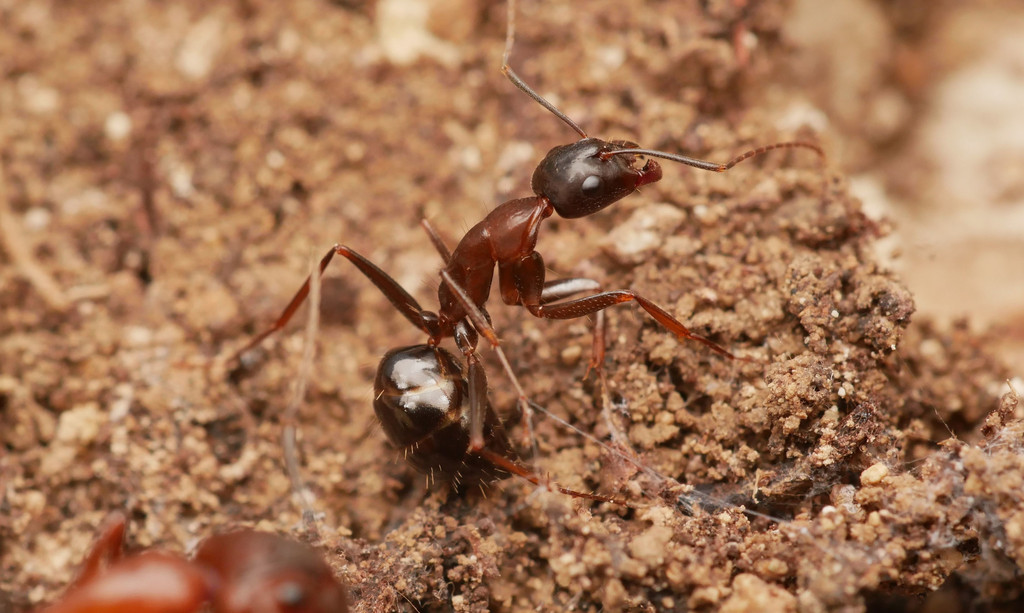
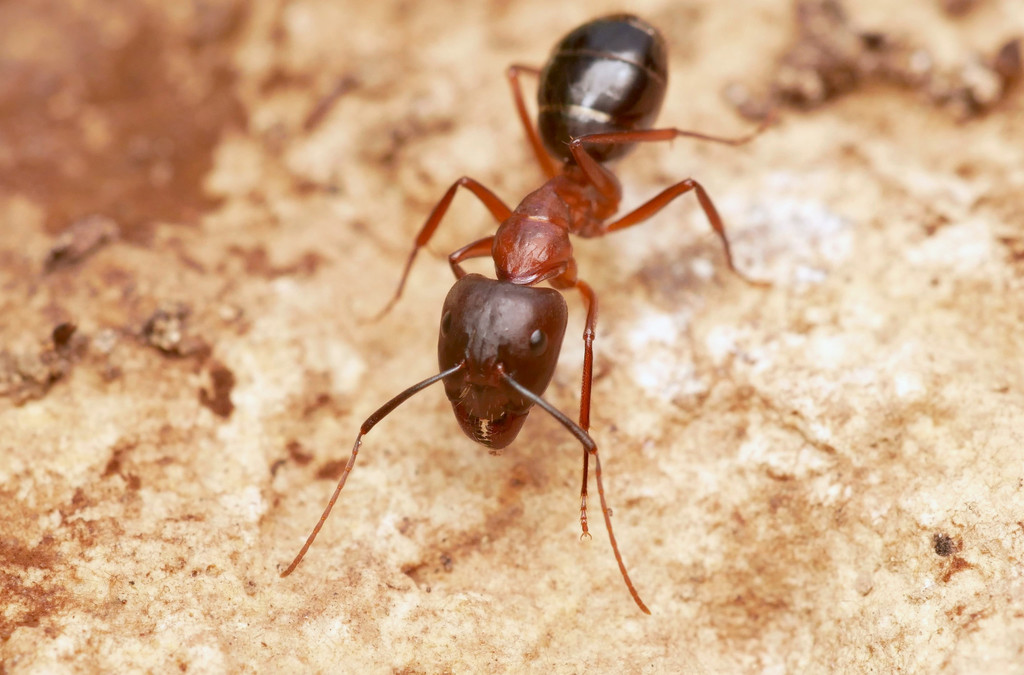
Ben je op zoek naar een indrukwekkende Europese houtmier met een prachtig uiterlijk en een rustig karakter? Dan is Camponotus sylvaticus een uitstekende keuze. Deze mediterrane mierensoort behoort tot de grootste mieren van Zuid-Europa en staat bekend om haar grote werksters, krachtige lichaamsbouw en fraaie roodzwarte kleurpatroon. Dankzij haar natuurlijke gedrag en geleidelijke koloniegroei is Camponotus sylvaticus een populaire keuze onder zowel beginnende als ervaren mierenhouders.
Bij Quality Ants vind je uitsluitend gezonde Camponotus sylvaticus kolonies die zorgvuldig worden gecontroleerd voordat zij worden verzonden. Of je nu kiest voor een jonge kolonie met de eerste werksters of een grotere kolonie die al verder ontwikkeld is, je ontvangt sterke en gezonde mieren die onder de juiste omstandigheden jarenlang kunnen uitgroeien tot een indrukwekkende samenleving.
Waarom kiezen voor Camponotus sylvaticus?
Camponotus sylvaticus is een rustige en sterke mierensoort die bekendstaat om haar grote werksters en prachtige kleurstelling. De werksters zijn regelmatig actief in de buitenwereld, waar zij voedsel verzamelen, water opnemen en het nest onderhouden. Binnen het nest zorgen andere werksters voor het broed en ondersteunen zij de koningin. Deze duidelijke taakverdeling maakt de kolonie bijzonder interessant om dagelijks te observeren.
In tegenstelling tot snelgroeiende tropische soorten ontwikkelt Camponotus sylvaticus zich geleidelijk. Hierdoor kun je iedere fase van de kolonie van dichtbij volgen, van de eerste nanitics tot een volwassen kolonie met grote werksters.
Een prachtige mediterrane houtmier
Camponotus sylvaticus komt van nature voor op het Iberisch Schiereiland, waar de soort leeft in warme en droge gebieden. Nesten worden vaak gebouwd in dood hout, onder stenen of in de bodem. De combinatie van een robuuste lichaamsbouw, lange poten en een fraaie roodzwarte kleur maakt deze soort één van de mooiste Europese Camponotus-soorten.
Rustig en goed observeerbaar
Camponotus sylvaticus staat bekend om haar rustige karakter. Werksters raken tijdens normaal onderhoud meestal niet snel gestrest en laten zich regelmatig zien in de buitenwereld. Daardoor is deze soort ideaal voor mierenliefhebbers die graag het natuurlijke gedrag van een mierenkolonie observeren.
De natuurlijke leefomgeving
In de natuur leeft Camponotus sylvaticus voornamelijk in warme mediterrane bossen, open natuurgebieden en droge graslanden. De kolonies kiezen beschutte nestplaatsen waar temperatuur en luchtvochtigheid relatief stabiel blijven. Door thuis vergelijkbare omstandigheden te creëren met een geschikt formicarium, voldoende warmte en een gedeeltelijk bevochtigd nest voelt deze soort zich uitstekend thuis.
Een ruime buitenwereld geeft de werksters voldoende ruimte om voedsel te verzamelen en hun natuurlijke foerageergedrag te vertonen. Naarmate de kolonie groeit kan het nest eenvoudig worden uitgebreid met extra modules.
Waarom Camponotus sylvaticus kopen bij Quality Ants?
Bij Quality Ants ontvang je uitsluitend gezonde Camponotus sylvaticus kolonies die zorgvuldig worden gecontroleerd voordat zij worden verzonden. Dankzij onze jarenlange ervaring met Europese en exotische mierensoorten kunnen wij je voorzien van deskundig advies over temperatuur, voeding, winterrust, luchtvochtigheid en de keuze van het juiste mierennest.
Naast gezonde kolonies vind je bij Quality Ants ook professionele mierennesten, complete startersets, hoogwaardige mierenvoeding, buitenwerelden en accessoires. Zo kun je jouw volledige opstelling eenvoudig samenstellen en geef je jouw Camponotus sylvaticus de ideale omstandigheden om jarenlang gezond te groeien.
De ideale temperatuur voor Camponotus sylvaticus
Camponotus sylvaticus is een mediterrane mierensoort die zich het prettigst voelt bij warme temperaturen. Tijdens het actieve seizoen ligt de ideale temperatuur tussen de 24°C en 28°C. Bij deze temperatuur ontwikkelen de larven zich optimaal, blijven de werksters actief en legt de koningin regelmatig nieuwe eieren. Tijdens de nacht mag de temperatuur enkele graden dalen naar ongeveer 20°C tot 22°C, waardoor een natuurlijk dag- en nachtritme ontstaat.
Een warmtekabel of warmtemat onder een gedeelte van het nest is een uitstekende manier om een natuurlijke temperatuurgradiënt te creëren. Verwarm nooit het volledige nest. Door slechts één zijde van het nest te verwarmen kunnen de mieren zelf bepalen waar de temperatuur het meest geschikt is voor de koningin, het broed en de voedselvoorraad.
Luchtvochtigheid
Hoewel Camponotus sylvaticus afkomstig is uit warme en relatief droge gebieden, heeft het broed voldoende vocht nodig om zich gezond te ontwikkelen. Daarom is het belangrijk om slechts een gedeelte van het nest licht vochtig te houden. De overige nestkamers mogen juist droog blijven. Hierdoor ontstaat een natuurlijke vochtgradiënt die de werksters optimaal benutten.
Een volledig droog nest kan de ontwikkeling van het broed vertragen, terwijl een voortdurend nat nest de kans op schimmelvorming vergroot. Een goede balans tussen droge en licht vochtige gedeelten zorgt voor de beste leefomstandigheden.
Winterrust bij Camponotus sylvaticus
Camponotus sylvaticus heeft een jaarlijkse winterrust nodig. Deze rustperiode is belangrijk voor de gezondheid van de koningin en ondersteunt de natuurlijke levenscyclus van de kolonie. Tijdens de winterrust neemt de activiteit af en wordt er nauwelijks nieuw broed geproduceerd.
De winterrust duurt doorgaans van november tot en met februari. Gedurende deze periode is een temperatuur tussen de 10°C en 15°C ideaal. Verlaag de temperatuur geleidelijk in het najaar en verhoog deze na afloop van de winterrust eveneens langzaam om onnodige stress te voorkomen.
Voeding tijdens de winterrust
Tijdens de winterrust verbruikt de kolonie aanzienlijk minder voedsel. Zorg ervoor dat er altijd vers water beschikbaar blijft en bied af en toe een kleine hoeveelheid suikerhoudende voeding aan wanneer de werksters nog actief zijn. Eiwitrijke voeding is tijdens deze periode meestal niet nodig, tenzij er nog larven aanwezig zijn.
Het ideale mierennest
Camponotus sylvaticus voelt zich uitstekend thuis in een kwalitatief formicarium met een goede vochtregeling. Zowel acrylnesten als zand- en gipsnesten zijn geschikt, mits een deel van het nest gecontroleerd bevochtigd kan worden. Voor jonge kolonies is een compact nest de beste keuze. Hierdoor voelen de koningin en de eerste werksters zich veiliger en kan het broed efficiënt worden verzorgd.
Naarmate de kolonie groeit kan het nest eenvoudig worden uitgebreid met extra modules. Een modulair systeem voorkomt onnodige verhuizingen en biedt voldoende ruimte voor de verdere ontwikkeling van de kolonie.
Voeding van Camponotus sylvaticus
Camponotus sylvaticus heeft behoefte aan zowel suikerhoudende als eiwitrijke voeding. Hoogwaardige mierennectar vormt de belangrijkste energiebron voor de werksters. Voor de ontwikkeling van het broed zijn daarnaast eiwitrijke voedseldieren essentieel. Geschikte voedseldieren zijn onder andere fruitvliegen, meelwormen, buffalo wormen, kakkerlakken en kleine krekels.
Door regelmatig af te wisselen tussen verschillende voedseldieren ontvangt de kolonie een gevarieerd voedingspatroon. Vooral wanneer veel larven aanwezig zijn zal de behoefte aan eiwitten toenemen.
Een ruime buitenwereld
Een ruime buitenwereld maakt het voeren en onderhouden van Camponotus sylvaticus aanzienlijk eenvoudiger. Hier verzamelen de werksters voedsel, drinken zij nectar en brengen zij afval naar een vaste plaats. Met natuurlijke decoratie zoals schors, stenen en takjes creëer je bovendien een leefomgeving die goed aansluit bij de natuurlijke habitat van deze mediterrane houtmier.
Wanneer moet het nest worden uitgebreid?
Wanneer de meeste nestkamers bezet raken door werksters en broed is het verstandig om een extra nestmodule aan te sluiten. Dankzij modulaire mierennesten kan de kolonie zonder veel verstoring verder groeien en blijft er voldoende ruimte beschikbaar voor de verdere ontwikkeling.
Gedrag van Camponotus sylvaticus
Camponotus sylvaticus staat bekend om haar rustige, georganiseerde en nieuwsgierige karakter. De werksters bewegen zich kalm door het nest en de buitenwereld en zijn voortdurend bezig met het verzamelen van voedsel, het verzorgen van het broed en het onderhouden van de leefomgeving. Dankzij hun ontspannen gedrag zijn de verschillende werkzaamheden binnen de kolonie eenvoudig te volgen, waardoor deze soort bijzonder populair is onder mierenliefhebbers die graag langdurig observeren.
Wanneer voedsel wordt aangeboden verlaten de eerste verkenners het nest om de omgeving te onderzoeken. Zodra een geschikte voedselbron is gevonden volgen andere werksters het geurspoor en wordt het voedsel gezamenlijk naar het nest vervoerd. Deze efficiënte samenwerking laat zien hoe goed de kolonie georganiseerd is.
Koloniegroei
Camponotus sylvaticus groeit geleidelijk uit van een kleine startkolonie tot een indrukwekkende samenleving. Tijdens de eerste maanden ligt de nadruk op het opbouwen van een stabiele groep werksters die de koningin ondersteunen bij de verzorging van het broed. Naarmate het aantal werksters toeneemt versnelt de ontwikkeling van de kolonie en ontstaan steeds meer gespecialiseerde taken.
Met een geschikte temperatuur, gevarieerde voeding en een correcte winterrust blijft de kolonie zich ieder jaar verder ontwikkelen. Hoewel Camponotus sylvaticus geen extreem snelle groeier is, vormt juist deze geleidelijke ontwikkeling één van de grootste charmes van deze mediterrane houtmier.
Werksters en polymorfisme
Camponotus sylvaticus is een polymorfe mierensoort. Binnen een volwassen kolonie komen verschillende werkstergroottes voor. Kleine werksters houden zich voornamelijk bezig met het verzorgen van het broed en het onderhouden van het nest, terwijl grotere werksters vaker voedsel verzamelen, grotere prooidieren verwerken en helpen bij de verdediging van de kolonie.
Door deze natuurlijke taakverdeling kan de kolonie zeer efficiënt functioneren. Vooral in grotere kolonies zijn de verschillen in grootte tussen de werksters duidelijk zichtbaar, wat deze soort extra interessant maakt om te observeren.
Levensverwachting
Een gezonde Camponotus sylvaticus koningin kan onder goede omstandigheden vele jaren leven. Gedurende haar leven blijft zij eieren produceren waardoor de kolonie zich ieder seizoen verder ontwikkelt. Werksters leven korter dan de koningin, maar doordat voortdurend nieuwe werksters worden geboren blijft de kolonie gezond en actief.
Activiteit gedurende het jaar
Tijdens de lente en zomer bereikt Camponotus sylvaticus haar hoogste activiteit. Werksters verzamelen voedsel, verzorgen het broed en breiden de kolonie verder uit. Naarmate de winter nadert neemt de activiteit geleidelijk af en bereidt de kolonie zich voor op de winterrust. Na afloop van deze rustperiode hervat de koningin de eileg en begint een nieuwe groeifase.
Waarom is Camponotus sylvaticus zo populair?
Camponotus sylvaticus behoort tot de mooiste Europese Camponotus-soorten dankzij de combinatie van grote werksters, een fraaie roodzwarte kleurstelling en een rustig karakter. Daarnaast maakt de geleidelijke ontwikkeling van de kolonie het mogelijk om iedere groeifase van dichtbij mee te maken. Voor veel mierenliefhebbers vormt juist deze combinatie van uiterlijk en gedrag de belangrijkste reden om voor deze soort te kiezen.
Is Camponotus sylvaticus geschikt voor beginners?
Ja. Camponotus sylvaticus is geschikt voor beginners die zich goed verdiepen in de verzorging van mieren en rekening houden met de jaarlijkse winterrust. Dankzij het rustige karakter, de sterke werksters en de relatief eenvoudige dagelijkse verzorging is deze soort een uitstekende keuze voor iedereen die een indrukwekkende mediterrane houtmier wil houden.
Veelgemaakte fouten bij Camponotus sylvaticus
Camponotus sylvaticus is een sterke en relatief eenvoudig te verzorgen mierensoort, maar enkele veelvoorkomende fouten kunnen de ontwikkeling van de kolonie vertragen. Een veelgemaakte fout is het plaatsen van een jonge kolonie in een te groot mierennest. Jonge kolonies voelen zich veiliger in een compact nest waarin de koningin, het broed en de eerste werksters dicht bij elkaar kunnen blijven. Breid het nest daarom pas uit wanneer de meeste nestkamers bezet raken.
Een tweede veelvoorkomende fout is het overslaan van de winterrust. Camponotus sylvaticus is een mediterrane soort die een jaarlijkse rustperiode nodig heeft. Zonder winterrust kan de ontwikkeling van de kolonie afnemen en kan de koningin op langere termijn minder vitaal blijven.
Ook een onjuiste luchtvochtigheid kan problemen veroorzaken. Een volledig droog nest is niet ideaal voor de ontwikkeling van het broed, terwijl een voortdurend nat nest de kans op schimmelvorming vergroot. Door zowel droge als licht vochtige nestkamers aan te bieden kunnen de werksters zelf de meest geschikte plaats kiezen.
Tips voor een gezonde Camponotus sylvaticus kolonie
Kies een passend mierennest
Gebruik een mierennest dat aansluit bij de grootte van de kolonie. Een compact nest geeft jonge kolonies meer rust en veiligheid. Naarmate de kolonie groeit kan eenvoudig een extra nestmodule worden aangesloten.
Verwarm slechts een gedeelte van het nest
Door slechts één zijde van het nest te verwarmen ontstaat een natuurlijke temperatuurgradiënt. Hierdoor kunnen de werksters zelf bepalen waar de koningin, het broed en de voedselvoorraad zich bevinden.
Bied gevarieerde voeding aan
Combineer hoogwaardige mierennectar met eiwitrijke voedseldieren zoals fruitvliegen, buffalo wormen, meelwormen, kakkerlakken en kleine krekels. Een gevarieerd voedingspatroon ondersteunt een gezonde ontwikkeling van de kolonie.
Respecteer de winterrust
Laat de temperatuur in het najaar geleidelijk dalen en verhoog deze na de winterperiode langzaam. Zo sluit de verzorging aan bij de natuurlijke levenscyclus van Camponotus sylvaticus.
Waarom Camponotus sylvaticus kopen bij Quality Ants?
Bij Quality Ants ontvang je uitsluitend gezonde Camponotus sylvaticus kolonies die zorgvuldig worden gecontroleerd voordat zij worden verzonden. Dankzij onze jarenlange ervaring met Europese en exotische mierensoorten kunnen wij je voorzien van deskundig advies over verzorging, voeding, temperatuur, winterrust en nestkeuze.
Naast gezonde kolonies vind je bij Quality Ants ook professionele mierennesten, complete startersets, hoogwaardige mierenvoeding, buitenwerelden, reageerbuizen en diverse accessoires. Zo kun je jouw volledige opstelling eenvoudig op één plek samenstellen.
Veelgestelde vragen over Camponotus sylvaticus
Is Camponotus sylvaticus geschikt voor beginners?
Ja. Camponotus sylvaticus is een goede keuze voor beginners die zich willen verdiepen in het houden van mediterrane mierensoorten en rekening houden met de jaarlijkse winterrust.
Welke temperatuur is ideaal?
Tijdens het actieve seizoen ligt de ideale temperatuur overdag tussen de 24°C en 28°C. Tijdens de nacht mag de temperatuur enkele graden dalen.
Heeft Camponotus sylvaticus winterrust nodig?
Ja. Een winterrust van ongeveer november tot en met februari bij een temperatuur tussen de 10°C en 15°C ondersteunt een gezonde ontwikkeling van de kolonie.
Wat eet Camponotus sylvaticus?
Camponotus sylvaticus heeft behoefte aan suikerhoudende voeding, zoals mierennectar, en eiwitrijke voedseldieren zoals fruitvliegen, meelwormen, buffalo wormen, kakkerlakken en kleine krekels.
Hoe snel groeit de kolonie?
Camponotus sylvaticus groeit geleidelijk. Met de juiste verzorging ontwikkelt de kolonie zich ieder jaar verder en ontstaat een sterke, gezonde samenleving.
Wanneer moet ik het nest uitbreiden?
Wanneer de meeste nestkamers gevuld zijn met werksters en broed is het verstandig om een extra nestmodule aan te sluiten. Zo blijft de kolonie voldoende ruimte houden om verder te groeien.
Bestel jouw Camponotus sylvaticus eenvoudig online
Ben je op zoek naar een indrukwekkende mediterrane houtmier met grote werksters, een rustige levenswijze en een prachtige roodzwarte kleur? Dan is Camponotus sylvaticus een uitstekende keuze. Bestel jouw Camponotus sylvaticus eenvoudig online bij Quality Ants en profiteer van gezonde kolonies, deskundig advies en een uitgebreid assortiment mierennesten, startersets, mierenvoeding en accessoires. Zo geef je jouw kolonie de ideale omstandigheden om jarenlang gezond te groeien.
De levenscyclus van Camponotus sylvaticus
Net als alle mierensoorten doorloopt Camponotus sylvaticus vier ontwikkelingsfasen: ei, larve, pop en volwassen werkster. De koningin legt de eieren, waarna de werksters het volledige broed verzorgen. Zij verplaatsen de larven en poppen regelmatig naar delen van het nest waar temperatuur en luchtvochtigheid optimaal zijn voor een gezonde ontwikkeling.
De snelheid waarmee het broed zich ontwikkelt hangt af van verschillende factoren, waaronder temperatuur, voeding, luchtvochtigheid en de grootte van de kolonie. Tijdens het actieve seizoen legt een gezonde koningin regelmatig nieuwe eieren, waardoor de kolonie ieder jaar verder groeit.
De rol van de koningin
De koningin vormt het hart van de kolonie en is verantwoordelijk voor de productie van alle nieuwe werksters. Tijdens de stichting van een nieuwe kolonie verzorgt zij het eerste broed grotendeels zelfstandig. Zodra de eerste werksters uitkomen nemen zij alle dagelijkse werkzaamheden over. Vanaf dat moment kan de koningin zich vrijwel volledig richten op het leggen van eieren en de verdere groei van de kolonie.
Onder goede omstandigheden kan een Camponotus sylvaticus koningin vele jaren leven. Hierdoor kan een gezonde kolonie zich geleidelijk ontwikkelen tot een indrukwekkende samenleving met honderden werksters en een uitstekend georganiseerde taakverdeling.
Waarom kiezen zoveel mierenliefhebbers voor Camponotus sylvaticus?
Camponotus sylvaticus behoort tot de mooiste mediterrane mierensoorten dankzij haar grote werksters, fraaie roodzwarte kleur en rustige karakter. Daarnaast is het bijzonder om de geleidelijke ontwikkeling van de kolonie van dichtbij te volgen. Iedere nieuwe generatie werksters draagt bij aan een steeds beter georganiseerde samenleving waarin samenwerking centraal staat.
Voor veel mierenliefhebbers vormt juist deze combinatie van indrukwekkend uiterlijk, natuurlijke levenswijze en eenvoudige dagelijkse verzorging de belangrijkste reden om voor Camponotus sylvaticus te kiezen.
Een perfect georganiseerde houtmier
Iedere Camponotus sylvaticus kolonie bestaat uit een goed georganiseerde samenleving waarin iedere werkster haar eigen bijdrage levert. Sommige werksters verzorgen het broed, andere verzamelen voedsel of onderhouden het nest. Dankzij deze efficiënte samenwerking blijft de kolonie gezond en kan zij zich ieder seizoen verder ontwikkelen.
Het observeren van deze taakverdeling is één van de mooiste aspecten van het houden van Camponotus sylvaticus. Iedere dag laten de werksters nieuw gedrag zien, waardoor deze soort jarenlang interessant blijft.
Extra veelgestelde vragen
Hoe groot wordt een Camponotus sylvaticus koningin?
De koningin behoort tot de grootste Europese Camponotus-soorten en is duidelijk groter dan de werksters. Hierdoor is zij eenvoudig te herkennen binnen de kolonie.
Hebben Camponotus sylvaticus soldaten?
Camponotus sylvaticus is een polymorfe mierensoort. Er komen grotere en kleinere werksters voor, maar er is geen aparte soldatenkaste zoals bij sommige andere mierengeslachten.
Hoe vaak moet ik de kolonie controleren?
Controleer de kolonie alleen wanneer dit noodzakelijk is. Vooral jonge kolonies ontwikkelen zich beter wanneer zij voldoende rust krijgen.
Hoe vaak moet ik voeren?
Mierennectar kan vrijwel continu beschikbaar zijn. Eiwitrijke voedseldieren kunnen één tot enkele keren per week worden aangeboden, afhankelijk van de grootte van de kolonie en de hoeveelheid broed.
Hoe lang leeft een Camponotus sylvaticus kolonie?
Met de juiste verzorging kan een Camponotus sylvaticus kolonie vele jaren gezond blijven. De koningin leeft aanzienlijk langer dan de werksters en blijft gedurende haar leven nieuwe generaties produceren.
Bestel jouw Camponotus sylvaticus bij Quality Ants
Wil je een indrukwekkende mediterrane houtmier houden met grote werksters, een prachtig uiterlijk en een rustige levenswijze? Dan is Camponotus sylvaticus een uitstekende keuze. Bij Quality Ants vind je gezonde kolonies die zorgvuldig worden gecontroleerd voordat zij worden verzonden. Daarnaast bieden wij een uitgebreid assortiment professionele mierennesten, complete startersets, hoogwaardige mierenvoeding, buitenwerelden en accessoires, zodat je alles in huis hebt voor een succesvolle start.
Bestel jouw Camponotus sylvaticus eenvoudig online bij Quality Ants en ontdek waarom deze prachtige mediterrane houtmier al jarenlang geliefd is onder mierenliefhebbers. Met de juiste verzorging, een geschikt formicarium en hoogwaardige voeding kun je jarenlang genieten van een gezonde, actieve en steeds verder groeiende mierenkolonie.