Camponotus barbaricus kopen
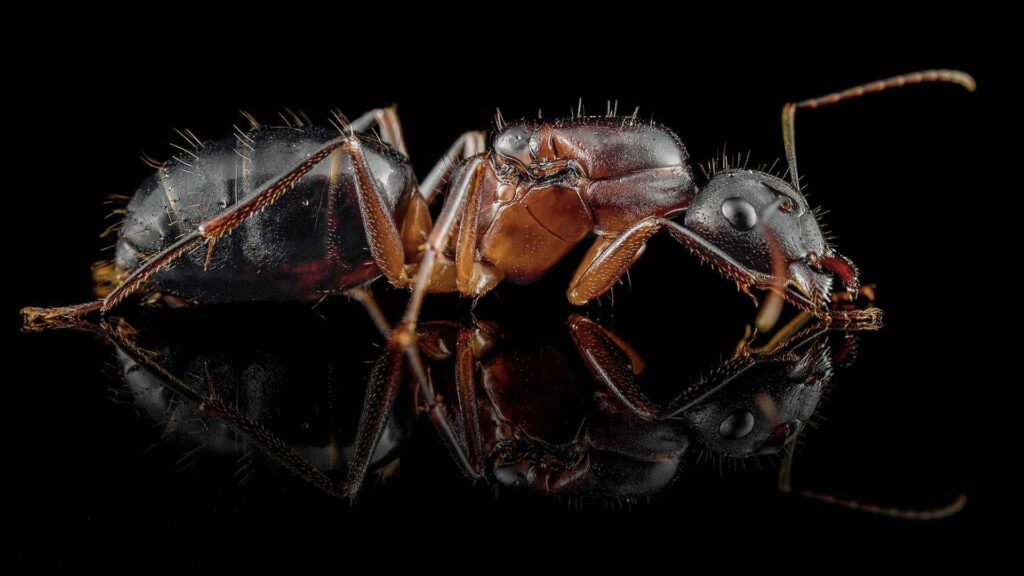
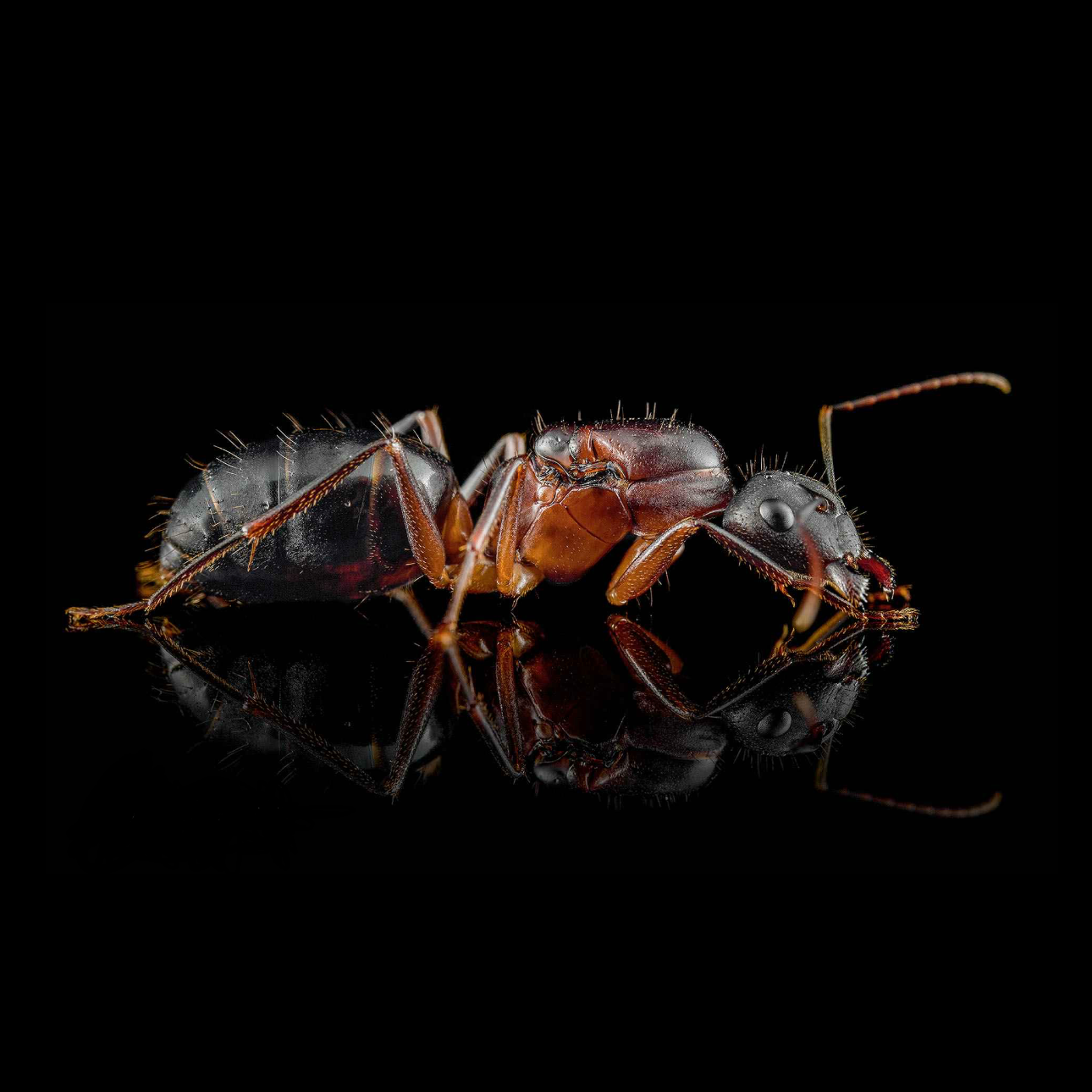
Wil je een grote, rustige en indrukwekkende mierensoort houden? Dan is Camponotus barbaricus één van de mooiste Europese houtmieren die je kunt kiezen. Deze mediterrane soort staat bekend om haar grote werksters, krachtige majors en opvallende zwart-rode kleur. Dankzij haar rustige karakter, duidelijke taakverdeling en indrukwekkende formaat behoort Camponotus barbaricus al jarenlang tot de populairste Camponotus-soorten onder mierenliefhebbers.
Bij Quality Ants vind je uitsluitend gezonde Camponotus barbaricus kolonies die zorgvuldig worden gecontroleerd voordat zij worden verzonden. Of je nu begint met een jonge kolonie of kiest voor een grotere kolonie met tientallen werksters, je ontvangt sterke en vitale mieren die zich onder de juiste omstandigheden jarenlang kunnen ontwikkelen.
Waarom kiezen voor Camponotus barbaricus?
Camponotus barbaricus is een mierensoort die vooral indruk maakt door haar formaat en gedrag. De werksters bewegen rustig door het nest en raken zelden in paniek. Hierdoor kun je de kolonie uitstekend observeren zonder dat de mieren voortdurend heen en weer rennen. Vooral wanneer de eerste majors verschijnen krijgt de kolonie een compleet ander uiterlijk. De enorme koppen en krachtige kaken van deze grote werksters behoren tot de meest indrukwekkende kenmerken van de soort.
In tegenstelling tot veel kleinere mierensoorten groeit Camponotus barbaricus geleidelijk. Daardoor kun je iedere fase van de ontwikkeling goed volgen, van de eerste werksters tot een volwassen kolonie met duidelijke verschillen tussen minors, media-werksters en majors.
Een indrukwekkende houtmier uit Zuid-Europa
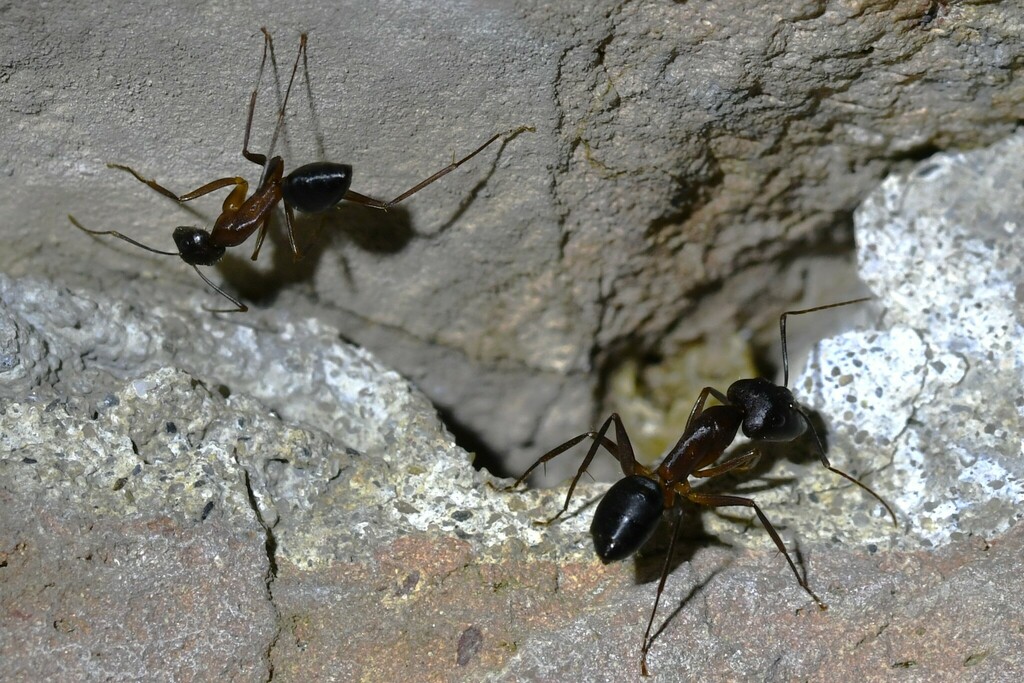
Camponotus barbaricus komt van nature voor in Spanje, Portugal en delen van Noord-Afrika. De soort leeft in warme, droge gebieden waar kolonies hun nesten bouwen onder stenen, tussen boomwortels en in dode boomstammen. Dankzij deze natuurlijke leefomgeving is de soort uitstekend aangepast aan warme zomers en een droger klimaat.
In een goed ingericht formicarium voelt Camponotus barbaricus zich snel thuis. Een combinatie van een gedeeltelijk bevochtigd nest, voldoende warmte en een ruime buitenwereld zorgt ervoor dat de kolonie haar natuurlijke gedrag optimaal kan laten zien.
Majors: de reuzen van de kolonie
Eén van de belangrijkste redenen waarom zoveel liefhebbers voor Camponotus barbaricus kiezen, is de ontwikkeling van de indrukwekkende majors. Deze grote werksters beschikken over een brede kop, sterke kaken en een robuuste lichaamsbouw. Hoewel ook zij voedsel verzamelen en het nest helpen onderhouden, spelen majors een belangrijke rol bij het verwerken van grotere voedselbronnen en het beschermen van de kolonie.
De eerste majors verschijnen meestal pas wanneer de kolonie voldoende werksters heeft opgebouwd. Naarmate de kolonie verder groeit neemt ook het aantal majors geleidelijk toe, waardoor het verschil tussen de verschillende werkstergroottes steeds duidelijker zichtbaar wordt.
Waarom Camponotus barbaricus kopen bij Quality Ants?
Bij Quality Ants ontvang je uitsluitend gezonde Camponotus barbaricus kolonies die zorgvuldig worden gecontroleerd voordat zij worden verzonden. Dankzij onze jarenlange ervaring met Europese en exotische mierensoorten kunnen wij je voorzien van deskundig advies over temperatuur, voeding, luchtvochtigheid, winterrust en nestkeuze.
Naast gezonde kolonies vind je bij Quality Ants ook professionele mierennesten, complete startersets, hoogwaardige mierennectar, voederinsecten en diverse accessoires. Zo kun je jouw volledige opstelling eenvoudig samenstellen en geef je jouw Camponotus barbaricus kolonie de ideale omstandigheden om jarenlang gezond uit te groeien tot een indrukwekkende mierenkolonie.
De ideale temperatuur voor Camponotus barbaricus
Camponotus barbaricus is afkomstig uit de warme gebieden van Zuid-Europa en Noord-Afrika. Om de kolonie optimaal te laten ontwikkelen is een temperatuur tussen de 24°C en 28°C ideaal. Bij deze temperatuur blijven de werksters actief, ontwikkelen de larven zich sneller en legt de koningin regelmatig nieuwe eieren.
Een warmtekabel of warmtemat onder ongeveer een derde van het nest is de beste manier om een natuurlijke temperatuurgradiënt te creëren. Hierdoor kunnen de werksters zelf bepalen waar de koningin en het broed worden geplaatst. Verwarm nooit het volledige nest, zodat de kolonie altijd kan kiezen tussen warmere en koelere nestkamers.
Luchtvochtigheid
Ondanks dat Camponotus barbaricus uit droge mediterrane gebieden afkomstig is, hebben vooral de larven behoefte aan voldoende luchtvochtigheid. Houd daarom één gedeelte van het nest licht vochtig, terwijl de overige kamers grotendeels droog blijven. De werksters verplaatsen het broed vanzelf naar de meest geschikte plek.
Een goed vochtverschil in het nest voorkomt uitdroging van het broed en vermindert tegelijkertijd de kans op schimmelvorming. Deze natuurlijke vochtgradiënt sluit goed aan bij de omstandigheden waarin de soort ook in het wild leeft.
Winterrust bij Camponotus barbaricus
Camponotus barbaricus heeft een duidelijke winterrust nodig. Tijdens deze rustperiode vertraagt de stofwisseling van de kolonie, neemt de activiteit af en stopt de ontwikkeling van nieuw broed grotendeels. Een goede winterrust draagt bij aan een gezonde en langdurig sterke kolonie.
De winterrust duurt meestal van november tot en met februari. Een temperatuur tussen de 12°C en 15°C is ideaal. Verlaag de temperatuur geleidelijk in het najaar en verhoog deze na afloop van de winterrust eveneens langzaam om onnodige stress te voorkomen.
Voeding van Camponotus barbaricus
Een gezonde Camponotus barbaricus kolonie heeft een gevarieerd voedingspatroon nodig. De werksters halen hun energie voornamelijk uit suikerrijke voeding zoals hoogwaardige mierennectar. Deze koolhydraten geven de kolonie voldoende energie om voedsel te verzamelen, het nest te onderhouden en het broed te verzorgen.
Voor de ontwikkeling van de larven zijn eiwitten onmisbaar. Geschikte voederinsecten zijn onder andere fruitvliegen, meelwormen, buffalo wormen, kakkerlakken en kleine krekels. Door verschillende voederinsecten af te wisselen ontvangt de kolonie een compleet voedingspatroon.
Het ideale mierennest
Camponotus barbaricus voelt zich uitstekend thuis in een kwalitatief mierennest met een goede vochtregeling. Acrylnesten, gipsnesten en zand-leemnesten zijn allemaal geschikt, zolang een deel van het nest gecontroleerd bevochtigd kan worden. Jonge kolonies ontwikkelen zich het beste in een compact nest waarin de koningin zich veilig voelt.
Naarmate de kolonie groeit is het verstandig om het nest stapsgewijs uit te breiden. Een modulair formicarium voorkomt onnodige verhuizingen en geeft de kolonie voldoende ruimte om zich jarenlang verder te ontwikkelen.
Een ruime buitenwereld stimuleert natuurlijk gedrag
Hoewel Camponotus barbaricus een rustige mierensoort is, brengen de werksters dagelijks tijd door in de buitenwereld om voedsel te verzamelen. Een ruime arena met zand, stenen, schors en takjes stimuleert natuurlijk foerageergedrag en maakt het observeren van de kolonie nog interessanter.
Door voldoende ruimte te bieden kunnen zowel kleine werksters als de indrukwekkende majors hun natuurlijke gedrag laten zien. Vooral grotere kolonies zijn fascinerend om te observeren wanneer tientallen werksters tegelijkertijd op zoek gaan naar voedsel.
Het gedrag van Camponotus barbaricus
Camponotus barbaricus behoort tot de rustigste en meest indrukwekkende mierensoorten binnen de hobby. Waar sommige soorten voortdurend door het nest rennen, bewegen de werksters van Camponotus barbaricus zich kalm en doelgericht. Iedere werkster lijkt precies te weten welke taak zij moet uitvoeren. Dit maakt het observeren van de kolonie bijzonder rustgevend en leerzaam.
Wanneer voedsel wordt aangeboden verschijnen eerst enkele verkenners die de voedselbron onderzoeken. Zodra deze geschikt blijkt te zijn, worden geursporen achtergelaten waardoor andere werksters snel volgen. Binnen korte tijd werken tientallen mieren samen om het voedsel veilig naar het nest te transporteren.
Een duidelijke taakverdeling binnen de kolonie
Een gezonde Camponotus barbaricus kolonie functioneert als een perfect georganiseerde samenleving. Jongere werksters blijven meestal dicht bij de koningin en verzorgen het broed, terwijl oudere werksters vaker de buitenwereld verkennen om voedsel te verzamelen. Deze natuurlijke taakverdeling zorgt ervoor dat de kolonie uiterst efficiënt werkt.
De indrukwekkende majors spelen hierbij eveneens een belangrijke rol. Dankzij hun grote kop en krachtige kaken kunnen zij harde voedselbronnen openbreken en helpen zij bij de verdediging van het nest wanneer dat nodig is.
Koloniegroei van Camponotus barbaricus
Camponotus barbaricus groeit geleidelijk. Tijdens de eerste maanden ligt de nadruk op het opbouwen van een gezonde basis met voldoende werksters. Zodra de kolonie groter wordt, neemt ook de eileg van de koningin toe en verschijnen langzaam steeds grotere werksters.
Met voldoende warmte, gevarieerde voeding en een correcte winterrust kan de kolonie zich ieder jaar verder uitbreiden. Hoewel de groei langzamer verloopt dan bij sommige kleinere mierensoorten, ontstaat uiteindelijk een indrukwekkende kolonie met een duidelijke verdeling tussen minors, media-werksters en majors.
Wanneer verschijnen de eerste majors?
Veel liefhebbers kijken uit naar het moment waarop de eerste majors verschijnen. Dit gebeurt meestal pas wanneer de kolonie voldoende werksters heeft opgebouwd en de koningin voldoende energie beschikbaar heeft om grotere larven groot te brengen. De eerste majors vormen een belangrijke mijlpaal in de ontwikkeling van de kolonie.
Naarmate de kolonie verder groeit neemt ook het aantal majors toe. Hierdoor verandert niet alleen het uiterlijk van de kolonie, maar ook het gedrag. Grote voedselbronnen worden sneller verwerkt en de samenwerking tussen kleine en grote werksters wordt steeds indrukwekkender.
Levensverwachting
Een gezonde Camponotus barbaricus koningin kan onder optimale omstandigheden vele jaren leven. Gedurende haar leven blijft zij nieuwe generaties werksters produceren, waardoor de kolonie zich langzaam maar voortdurend blijft ontwikkelen. Werksters leven korter dan de koningin, maar doordat er steeds nieuwe werksters bijkomen blijft de kolonie gezond en stabiel.
Activiteit gedurende het jaar
Tijdens het voorjaar en de zomer bereikt Camponotus barbaricus haar hoogste activiteit. Werksters verzamelen intensief voedsel, verzorgen grote hoeveelheden broed en breiden de kolonie verder uit. In het najaar neemt de activiteit langzaam af als voorbereiding op de winterrust. Na deze rustperiode hervat de koningin de eileg en begint een nieuw groeiseizoen.
Waarom kiezen zoveel liefhebbers voor Camponotus barbaricus?
Camponotus barbaricus combineert een indrukwekkend formaat met een rustig karakter. De duidelijke verschillen tussen de verschillende werkstergroottes, de prachtige zwart-rode kleuren en de langzame maar goed zichtbare ontwikkeling maken deze soort uniek binnen de Europese mierenhobby. Iedere groeifase brengt nieuwe ontwikkelingen met zich mee, waardoor de kolonie jarenlang interessant blijft om te observeren.
Is Camponotus barbaricus geschikt voor beginners?
Ja. Camponotus barbaricus is een uitstekende keuze voor beginners die graag een grotere mierensoort willen houden. Dankzij het rustige karakter, de overzichtelijke verzorging en de relatief langzame groei is deze soort eenvoudig te volgen. Met voldoende warmte, een gedeeltelijk vochtig nest, gevarieerde voeding en een correcte winterrust kan de kolonie zich jarenlang gezond ontwikkelen.
Veelgemaakte fouten bij het houden van Camponotus barbaricus
Camponotus barbaricus is een sterke en relatief eenvoudig te verzorgen mierensoort, maar er worden regelmatig fouten gemaakt die de ontwikkeling van een kolonie kunnen vertragen. De meest voorkomende fout is een te lage temperatuur. Bij langdurige temperaturen onder de 22°C verloopt de ontwikkeling van het broed aanzienlijk langzamer en zal de koningin minder eieren produceren.
Ook een volledig droog nest kan problemen veroorzaken. Hoewel deze soort afkomstig is uit warme mediterrane gebieden, bouwen kolonies hun nesten vaak op plaatsen waar dieper in de bodem voldoende vocht aanwezig blijft. Een gedeeltelijk bevochtigd nest zorgt daarom voor een betere ontwikkeling van larven en poppen.
Daarnaast wordt de winterrust soms overgeslagen. Juist deze rustperiode is belangrijk om de natuurlijke levenscyclus van Camponotus barbaricus te ondersteunen. Kolonies die jarenlang geen winterrust krijgen kunnen minder actief worden en uiteindelijk langzamer groeien.
Praktische verzorgingstips
Voer gevarieerd
Voor een gezonde ontwikkeling is afwisseling belangrijk. Bied regelmatig verschillende voederinsecten aan, zoals fruitvliegen, meelwormen, buffalo wormen, kakkerlakken en kleine krekels. Door variatie aan te brengen ontvangt de kolonie een breed aanbod aan voedingsstoffen.
Laat altijd een suikerbron beschikbaar
Werksters gebruiken koolhydraten als belangrijkste energiebron. Hoogwaardige mierennectar of een kwalitatieve suikeroplossing kan daarom vrijwel continu beschikbaar zijn. Vooral grotere kolonies maken hier intensief gebruik van.
Vergroot het nest op tijd
Camponotus barbaricus groeit geleidelijk, maar uiteindelijk kan een kolonie uit honderden werksters bestaan. Zodra ongeveer driekwart van het nest gevuld is met werksters en broed, is het verstandig een extra nestmodule aan te sluiten. Hierdoor blijft de kolonie voldoende ruimte houden om zich verder te ontwikkelen.
Geef de kolonie voldoende rust
Vooral jonge kolonies ontwikkelen zich beter wanneer zij niet voortdurend worden gestoord. Controleer het nest alleen wanneer dit nodig is en vermijd langdurige blootstelling aan fel licht of trillingen.
Waarom Camponotus barbaricus zo geliefd is
Veel mierenliefhebbers kiezen voor Camponotus barbaricus vanwege de combinatie van grootte, kleur en gedrag. De indrukwekkende majors, de rustige werksters en de geleidelijke ontwikkeling maken iedere groeifase interessant. In tegenstelling tot snelgroeiende soorten kun je bij Camponotus barbaricus iedere verandering binnen de kolonie goed volgen.
Daarnaast behoren de roodzwarte kleuren van de koningin en de werksters tot de mooiste binnen het geslacht Camponotus. Naarmate de kolonie ouder wordt ontstaat een indrukwekkend geheel waarin kleine werksters, media-werksters en majors samen een perfect georganiseerde samenleving vormen.
Veelgestelde vragen over Camponotus barbaricus
Hoe groot wordt een Camponotus barbaricus kolonie?
Onder goede omstandigheden kan een volwassen kolonie uit honderden tot meer dan duizend werksters bestaan. De uiteindelijke grootte hangt af van de leeftijd van de koningin, de beschikbare ruimte en de verzorging.
Wanneer verschijnen de eerste majors?
De eerste majors verschijnen meestal pas wanneer de kolonie voldoende werksters heeft opgebouwd. Dit is één van de mooiste momenten in de ontwikkeling van de kolonie.
Hoe vaak moet ik voeren?
Mierennectar mag vrijwel altijd beschikbaar zijn. Voederinsecten kunnen één tot drie keer per week worden aangeboden, afhankelijk van de grootte van de kolonie en de hoeveelheid broed.
Heeft Camponotus barbaricus een warmtemat nodig?
Een warmtekabel of warmtemat wordt sterk aanbevolen. Door slechts een deel van het nest te verwarmen ontstaat een natuurlijke temperatuurgradiënt waar de werksters optimaal gebruik van kunnen maken.
Is Camponotus barbaricus agressief?
Nee. Deze soort staat juist bekend om haar rustige karakter. Werksters reageren meestal kalm en georganiseerd, waardoor de kolonie prettig is om te observeren en eenvoudig te verzorgen.
Bestel jouw Camponotus barbaricus eenvoudig online
Wil je een indrukwekkende mediterrane houtmier houden met grote majors, een prachtig kleurcontrast en een rustige levenswijze? Dan is Camponotus barbaricus een uitstekende keuze. Bij Quality Ants vind je gezonde kolonies die zorgvuldig worden gecontroleerd voordat zij worden verzonden. Daarnaast bieden wij een uitgebreid assortiment professionele mierennesten, startersets, hoogwaardige mierennectar, voederinsecten en accessoires om jouw kolonie optimaal te verzorgen.
Bestel jouw Camponotus barbaricus eenvoudig online bij Quality Ants en ervaar zelf waarom deze prachtige mediterrane houtmier al jarenlang tot de populairste Camponotus-soorten van Europa behoort.
De levenscyclus van Camponotus barbaricus
Camponotus barbaricus doorloopt, net als alle mierensoorten, vier ontwikkelingsstadia: ei, larve, pop en volwassen werkster. De koningin legt gedurende het actieve seizoen regelmatig nieuwe eieren. De werksters nemen vervolgens alle zorg voor het broed op zich. Zij voeden de larven, verplaatsen het broed naar de meest geschikte nestkamers en zorgen ervoor dat iedere pop zich onder optimale omstandigheden kan ontwikkelen.
De snelheid van deze ontwikkeling is afhankelijk van verschillende factoren, waaronder temperatuur, voeding, luchtvochtigheid en de grootte van de kolonie. Bij een stabiele temperatuur tussen 24°C en 28°C ontwikkelt het broed zich aanzienlijk sneller dan bij lagere temperaturen. Door voldoende eiwitten aan te bieden kan de koningin bovendien een constante productie van nieuw broed behouden.
De koningin vormt het hart van de kolonie
Iedere Camponotus barbaricus kolonie draait om één koningin. Na de bruidsvlucht sticht zij zelfstandig een nieuwe kolonie en verzorgt zij de eerste generatie werksters zonder hulp. Zodra deze eerste werksters uitkomen nemen zij alle dagelijkse werkzaamheden over. Vanaf dat moment kan de koningin zich volledig richten op het produceren van nieuwe eieren.
Een gezonde Camponotus barbaricus koningin kan onder optimale omstandigheden vele jaren leven. Gedurende haar leven groeit de kolonie langzaam uit tot een indrukwekkende samenleving waarin honderden of zelfs meer dan duizend werksters samenwerken.
Een mierensoort die jarenlang blijft fascineren
Camponotus barbaricus behoort tot de mooiste mediterrane houtmieren die verkrijgbaar zijn. Niet alleen vanwege het indrukwekkende formaat, maar ook door de prachtige roodzwarte kleuren en de rustige manier waarop de werksters samenwerken. Naarmate de kolonie ouder wordt verschijnen steeds meer majors, waardoor het verschil tussen de verschillende werksterkasten steeds duidelijker zichtbaar wordt.
Voor veel mierenliefhebbers is juist deze langzame, stabiele ontwikkeling één van de grootste voordelen van de soort. Iedere nieuwe generatie werksters brengt de kolonie een stap verder en zorgt ervoor dat er voortdurend iets nieuws te ontdekken valt.
Waarom kiezen zoveel liefhebbers voor Camponotus barbaricus?
Camponotus barbaricus combineert een indrukwekkend uiterlijk met een rustig karakter en relatief eenvoudige verzorging. De soort is groot genoeg om het gedrag van individuele werksters goed te kunnen volgen, terwijl de kolonie tegelijkertijd overzichtelijk blijft. Hierdoor is deze houtmier zowel geschikt voor beginnende als ervaren mierenhouders.
Dankzij de duidelijke verschillen tussen minors, media-werksters en majors laat Camponotus barbaricus bovendien prachtig zien hoe een mierensamenleving zich ontwikkelt. Iedere werkster vervult haar eigen taak en draagt bij aan het succes van de kolonie.
Extra veelgestelde vragen
Hoe groot wordt een Camponotus barbaricus koningin?
De koningin bereikt een lengte van ongeveer 16 tot 18 millimeter en behoort daarmee tot de grotere Europese Camponotus-soorten.
Hoe groot worden de werksters?
De werksters variëren sterk in grootte. Kleine minors zijn ongeveer 6 tot 8 millimeter, media-werksters ongeveer 8 tot 12 millimeter en de grootste majors kunnen een lengte van ongeveer 13 tot 15 millimeter bereiken.
Hoe vaak moet ik de kolonie controleren?
Controleer de kolonie alleen wanneer dit noodzakelijk is. Vooral jonge kolonies ontwikkelen zich beter wanneer zij voldoende rust krijgen en niet onnodig worden blootgesteld aan fel licht of trillingen.
Kan Camponotus barbaricus samen met andere mierensoorten worden gehouden?
Nee. Iedere mierensoort heeft zijn eigen leefwijze en territorium. Camponotus barbaricus moet altijd afzonderlijk worden gehouden in een eigen formicarium.
Hoe lang leeft een Camponotus barbaricus kolonie?
Met de juiste verzorging kan een Camponotus barbaricus kolonie vele jaren gezond blijven. De koningin blijft gedurende haar leven nieuwe generaties werksters produceren, waardoor de kolonie zich langzaam maar voortdurend verder ontwikkelt.
Bestel jouw Camponotus barbaricus bij Quality Ants
Ben je op zoek naar een indrukwekkende mediterrane houtmier met prachtige roodzwarte kleuren, grote majors en een rustige levenswijze? Dan is Camponotus barbaricus een uitstekende keuze. Bij Quality Ants vind je uitsluitend gezonde kolonies die zorgvuldig worden gecontroleerd voordat zij worden verzonden. Daarnaast bieden wij een uitgebreid assortiment professionele mierennesten, complete startersets, hoogwaardige mierennectar, voederinsecten en accessoires, zodat je direct alles in huis hebt voor een succesvolle start.
Bestel jouw Camponotus barbaricus eenvoudig online bij Quality Ants en ontdek waarom deze indrukwekkende houtmier al jarenlang behoort tot de populairste Europese Camponotus-soorten. Met de juiste verzorging, voldoende warmte en een geschikt formicarium kun je jarenlang genieten van een gezonde en steeds verder groeiende mierenkolonie.